THE ADVENTURE COLLECTIVE® · Independent discovery and booking for outdoor travel

Cross the High Atlas into the Draa Valley and ride camels into Zagora’s high dunes for a sunset at a private Berber camp. This two-day loop from Marrakech mixes kasbahs, mountain passes, and an authentic desert night under open sky.
Cross the High Atlas into the Draa Valley and ride camels into Zagora’s high dunes for a sunset at a private Berber camp. This two-day loop from Marrakech mixes kasbahs, mountain passes, and an authentic desert night under open sky.
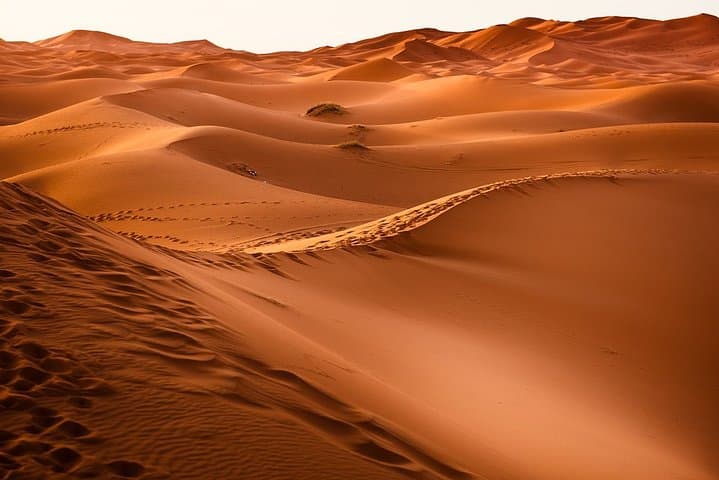
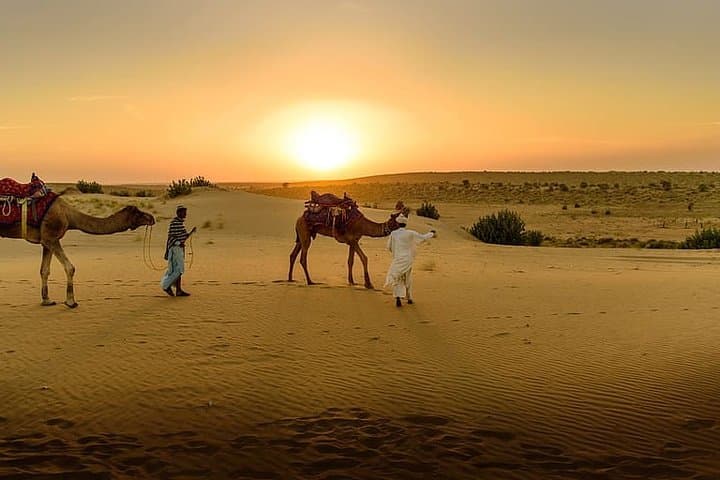
The van peels away from Marrakech and the city’s mosaic of life blurs into ochre plains. By midafternoon the High Atlas pins the horizon, a granite spine of hairpin turns that opens onto the palm-splashed Draa Valley. The caravan of camels waits at Zagora’s edge; their slow, sure rhythm carries travelers up a dune slope as the sun slides molten toward the horizon, leaving a violet hush across the sand.
Verified experiences and guided adventures in the surrounding area.
Operated by Across Africa Tours LLC · Zagora, Drâa-Tafilalet
The van peels away from Marrakech and the city’s mosaic of life blurs into ochre plains. By midafternoon the High Atlas pins the horizon, a granite spine of hairpin turns that opens onto the palm-splashed Draa Valley. The caravan of camels waits at Zagora’s edge; their slow, sure rhythm carries travelers up a dune slope as the sun slides molten toward the horizon, leaving a violet hush across the sand.
This route threads millennia of trade: kasbahs like Aït Ben Haddou standing as mudbrick archives of caravan commerce and film lore. Geology here is blunt and honest—folded Atlas ranges of schist and sandstone give way to wind-sculpted dunes and alluvial soils feeding the valley’s date palms. Sahrawi culture is present in sound and salt—folk songs by the fire, shared tagines, and the hospitable pragmatism of camp life.
Expect two days of travel and contrast: mountain passes and oasis roads, a camel trek into Zagora’s high dunes, a night in a private Berber-style tent with shared facilities, then a sunrise ride back and the return across the Tizi-n-Tichka.
Practical pointers: pack sun and cold layers, bring cash for small purchases, and allow for bumpy drives and moderate fitness demands on the camel. Hydrate and protect skin and eyes from glare. Bookings commonly include meals and camp lodging, but local guides and museum fees are often extra. Timing your arrival for late afternoon improves the sunset experience; an early start rewards you with a desert sunrise that feels earned.
moderate.
2 days (approx. 48 hours).
Moderate fitness; able to mount/dismount camels and tolerate several hours of travel and short hikes
Yes—camels used on tourist treks are accustomed to riders; guides handle saddling and mounting and provide basic instructions.
Private tents with bedding are provided; showers and toilets are usually shared facilities near the camp.
The tour is family-friendly but requires ability to mount camels and manage long vehicle transfers; check with the operator about age limits and mobility needs.
Typical inclusions are transport from Marrakech, meals listed (breakfast, lunch, dinner), campsite overnight, and camel trek; optional entry fees and some lunches are at personal expense.
The route follows ancient caravan corridors linking oases and kasbahs; Aït Ben Haddou exemplifies mudbrick architecture that guarded trade and local communities for centuries.
Water is scarce—conserve it and use provided facilities; support local guides and camps that follow waste-minimization and local employment practices.
Across Africa Tours LLC operates guided outdoor trips and adventures with an emphasis on safety, stewardship, and memorable experiences.
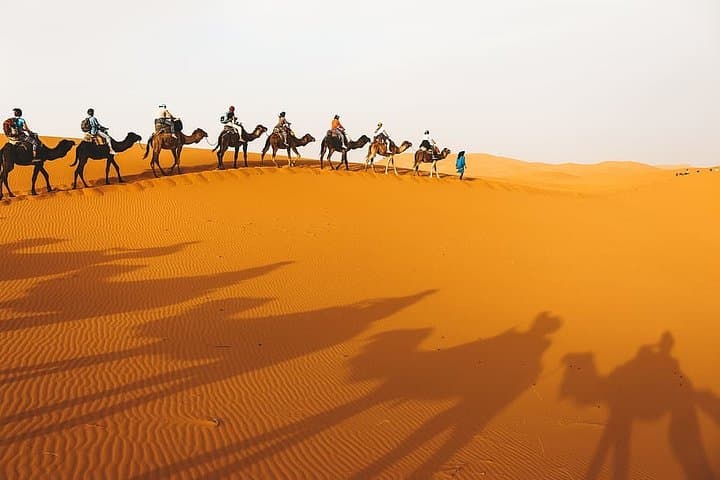
The van peels away from Marrakech and the city’s mosaic of life blurs into ochre plains. By midafternoon the High Atlas pins the horizon, a granite spine of hairpin turns that opens onto the palm-splashed Draa Valley. The caravan of camels waits at Zagora’s edge; their slow, sure rhythm carries travelers up a dune slope as the sun slides molten toward the horizon, leaving a violet hush across the sand.
The van peels away from Marrakech and the city’s mosaic of life blurs into ochre plains. By midafternoon the High Atlas pins the horizon, a granite spine of hairpin turns that opens onto the palm-splashed Draa Valley. The caravan of camels waits at Zagora’s edge; their slow, sure rhythm carries travelers up a dune slope as the sun slides molten toward the horizon, leaving a violet hush across the sand.
This route threads millennia of trade: kasbahs like Aït Ben Haddou standing as mudbrick archives of caravan commerce and film lore. Geology here is blunt and honest—folded Atlas ranges of schist and sandstone give way to wind-sculpted dunes and alluvial soils feeding the valley’s date palms. Sahrawi culture is present in sound and salt—folk songs by the fire, shared tagines, and the hospitable pragmatism of camp life.
Expect two days of travel and contrast: mountain passes and oasis roads, a camel trek into Zagora’s high dunes, a night in a private Berber-style tent with shared facilities, then a sunrise ride back and the return across the Tizi-n-Tichka.
Practical pointers: pack sun and cold layers, bring cash for small purchases, and allow for bumpy drives and moderate fitness demands on the camel. Hydrate and protect skin and eyes from glare. Bookings commonly include meals and camp lodging, but local guides and museum fees are often extra. Timing your arrival for late afternoon improves the sunset experience; an early start rewards you with a desert sunrise that feels earned.