THE ADVENTURE COLLECTIVE® · Independent discovery and booking for outdoor travel

Explore Yellowstone over two days with a guided upper-and-lower loop itinerary that maximizes geothermal highlights and wildlife viewing. Comfortable transport, expert guides, and flexible stops let you experience geysers, hot springs and meadows at a measured pace.
Explore Yellowstone over two days with a guided upper-and-lower loop itinerary that maximizes geothermal highlights and wildlife viewing. Comfortable transport, expert guides, and flexible stops let you experience geysers, hot springs and meadows at a measured pace.
You roll out of West Yellowstone before dawn, the bus engine low and windows frosting as the park’s valleys inhale the first light. Steam rises from pools like quiet exhalations, and the road unspools through sagebrush and lodgepole pines as the guide points to a distant humpbacked ridge where elk graze.
Verified experiences and guided adventures in the surrounding area.
Operated by Teton Tour Guides · West Yellowstone, Montana
You roll out of West Yellowstone before dawn, the bus engine low and windows frosting as the park’s valleys inhale the first light. Steam rises from pools like quiet exhalations, and the road unspools through sagebrush and lodgepole pines as the guide points to a distant humpbacked ridge where elk graze.
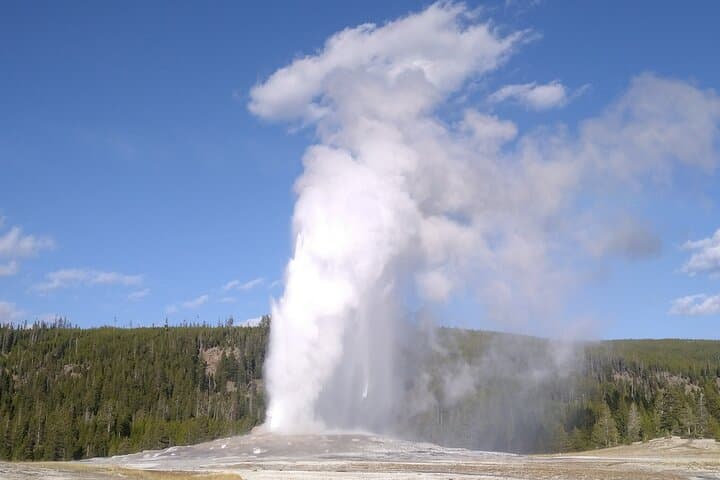
Yellowstone’s landscape is the visible scar of a supervolcano: rhyolite plateaus, uplifted terraces, and concentrated geothermal plumbing that feeds geysers and hot springs. The park’s human history runs from Indigenous peoples who followed bison and thermal corridors to 19th-century explorers and the nation’s first national park designation in 1872—history you’ll hear between stops.
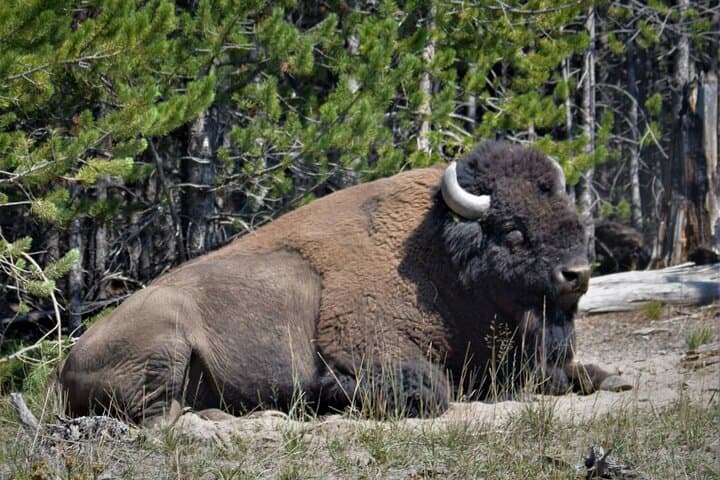
Over two days you’ll cover both lower and upper loops, visiting classic geothermal amphitheaters, lakeside springs and meadows where wolves and bears are occasionally spotted. The pace is relaxed by design—time to step away from the vehicle, scan for wildlife, and move along boardwalks that protect fragile microbial mats.
Practical notes: this is a guided, vehicle-based tour that suits a broad range of fitness levels but expect short walks on uneven boardwalks and dirt trails. Dress in layers, keep binoculars handy, and plan for variable weather—sun, wind and sudden showers are all part of the rhythm here. Carry your park pass, follow bear-safety protocols, and aim for early starts and late afternoons for the best wildlife activity and light for photos.
easy.
2 days (approx. 8–10 hours/day).
Suitable for most fitness levels; expect short, uneven boardwalk walks and occasional moderate trail sections.
Yes — Yellowstone requires an entry permit; an America the Beautiful pass is accepted and often recommended for multiple-park visits.
Guides increase your odds by visiting known feeding and travel corridors, but wildlife sightings are never guaranteed and vary by season and time of day.
Restroom facilities are available at major pullouts and visitor areas; some stops are limited to vault toilets or park facilities.
Tours commonly offer pickup from West Yellowstone accommodations; confirm your pickup point when booking and provide full names and any mobility needs.
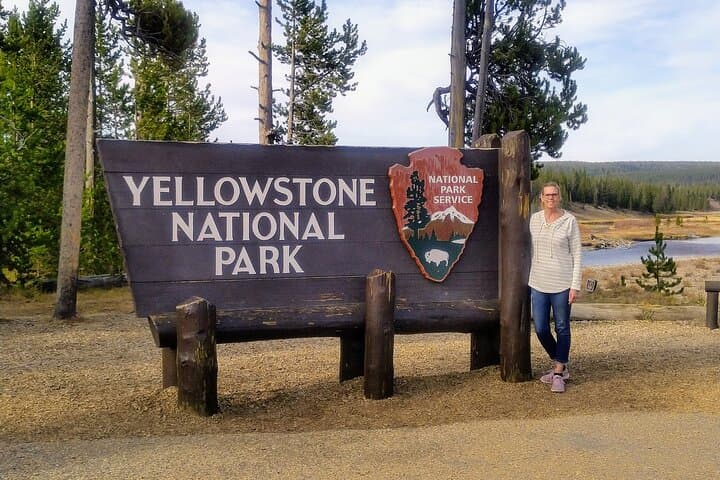
Yellowstone became the world’s first national park in 1872; the area has long been used by Indigenous tribes such as the Crow and Shoshone for seasonal hunting and travel.
Boardwalks protect fragile thermal features and microbial communities; follow Leave No Trace principles and avoid stepping off designated paths to prevent damage and injury.
Teton Tour Guides operates guided outdoor trips and adventures with an emphasis on safety, stewardship, and memorable experiences.
You roll out of West Yellowstone before dawn, the bus engine low and windows frosting as the park’s valleys inhale the first light. Steam rises from pools like quiet exhalations, and the road unspools through sagebrush and lodgepole pines as the guide points to a distant humpbacked ridge where elk graze.
You roll out of West Yellowstone before dawn, the bus engine low and windows frosting as the park’s valleys inhale the first light. Steam rises from pools like quiet exhalations, and the road unspools through sagebrush and lodgepole pines as the guide points to a distant humpbacked ridge where elk graze.
Yellowstone’s landscape is the visible scar of a supervolcano: rhyolite plateaus, uplifted terraces, and concentrated geothermal plumbing that feeds geysers and hot springs. The park’s human history runs from Indigenous peoples who followed bison and thermal corridors to 19th-century explorers and the nation’s first national park designation in 1872—history you’ll hear between stops.
Over two days you’ll cover both lower and upper loops, visiting classic geothermal amphitheaters, lakeside springs and meadows where wolves and bears are occasionally spotted. The pace is relaxed by design—time to step away from the vehicle, scan for wildlife, and move along boardwalks that protect fragile microbial mats.
Practical notes: this is a guided, vehicle-based tour that suits a broad range of fitness levels but expect short walks on uneven boardwalks and dirt trails. Dress in layers, keep binoculars handy, and plan for variable weather—sun, wind and sudden showers are all part of the rhythm here. Carry your park pass, follow bear-safety protocols, and aim for early starts and late afternoons for the best wildlife activity and light for photos.