THE ADVENTURE COLLECTIVE® · Independent discovery and booking for outdoor travel

Combine Egypt’s deep-time and ancient-time in 48 hours: fossil hunting through Whale Valley and a night camping the Western Desert, capped by a morning at the Great Pyramids. Practical logistics, short walks, and dramatic landscapes make this a compact, outdoors-forward adventure.
Combine Egypt’s deep-time and ancient-time in 48 hours: fossil hunting through Whale Valley and a night camping the Western Desert, capped by a morning at the Great Pyramids. Practical logistics, short walks, and dramatic landscapes make this a compact, outdoors-forward adventure.
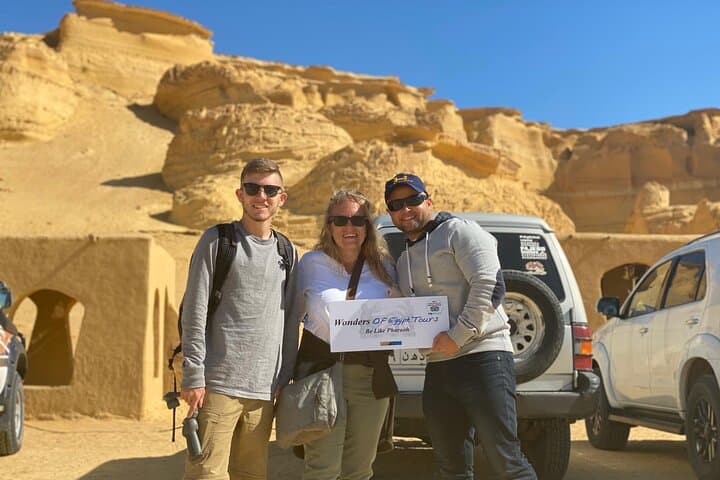
Dawn on the Western Desert feels like a held breath — wind skims across the salt flats, dunes roll like slow waves, and the silhouette of fossilized whale bones juts from the sand as if the sea itself still remembers. On day one the route pushes southwest from the Nile to Wadi El-Rayan and Wadi El-Hitan, where shoreline bones and fossilized vertebrae speak in stone of a time when whales walked toward the water.
Verified experiences and guided adventures in the surrounding area.
Operated by Wonders of Egypt Tours · Giza, Giza Governorate
Dawn on the Western Desert feels like a held breath — wind skims across the salt flats, dunes roll like slow waves, and the silhouette of fossilized whale bones juts from the sand as if the sea itself still remembers. On day one the route pushes southwest from the Nile to Wadi El-Rayan and Wadi El-Hitan, where shoreline bones and fossilized vertebrae speak in stone of a time when whales walked toward the water.
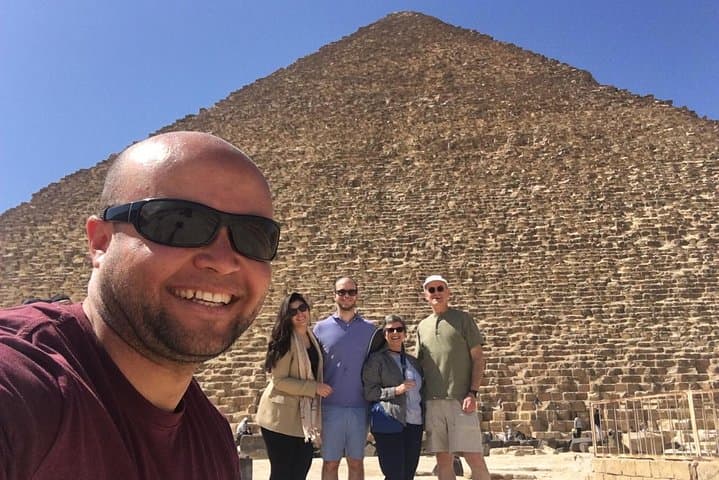
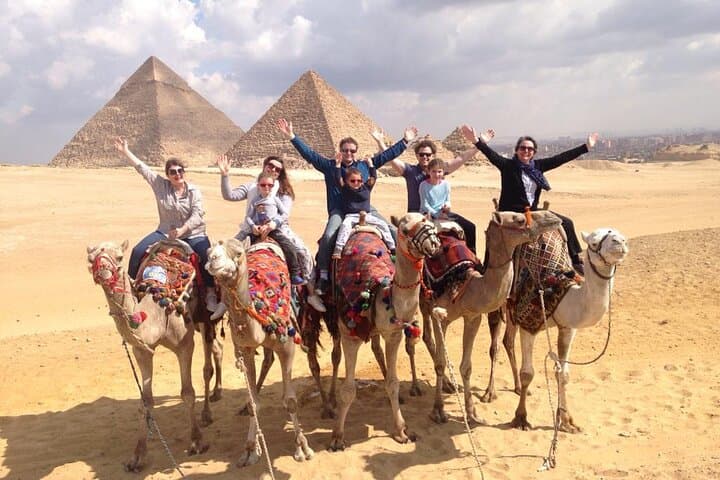
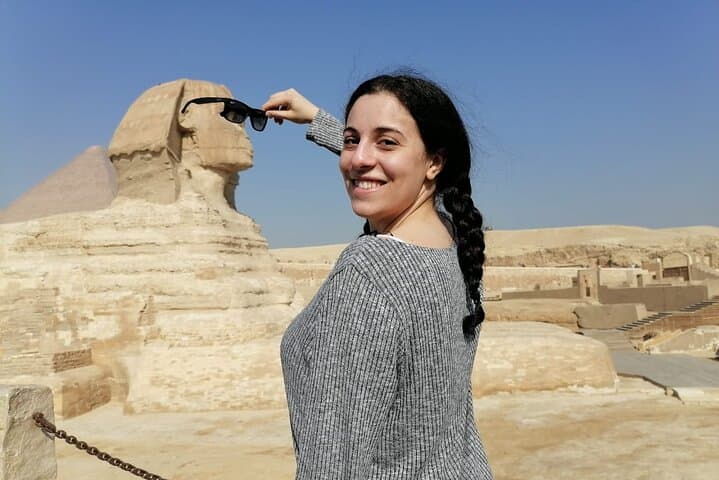
Wadi El-Hitan (Whale Valley) is a UNESCO World Heritage site celebrated for its archaeoceti fossils; it illustrates the transition of whales from land to sea. Nearby, the man-made lakes of Wadi El-Rayan and their waterfalls are a modern geological wrinkle—drainage water collected into expansive basins, sculpting dunes, springs, and occasional sulphur springs. Local Bedouin and Faiyum communities have long used these desert corridors for trade and seasonal grazing; the Giza leg of the tour then shifts the frame to 4,500 years of monumental human engineering at the Great Pyramids and the Sphinx.
Practically, expect long drives in an air-conditioned vehicle, short guided walks across rocky outcrops and dunes, and one night of desert camping under wide cold-night skies. Bring layered clothing for temperature swings, sun protection for the open desert, and footwear suited for sand and gravel. Guides handle permits and parking at protected sites; visitors should remain on designated routes and avoid touching exposed fossils. Timing your trip in cooler months improves comfort; summer heat can be extreme. With basic preparation, this two-day circuit balances paleontological wonder, desert solitude, and the enduring spectacle of Giza’s stone giants.
easy.
2 days (approx. 48 hours).
Suitable for most fitness levels; requires ability to board a vehicle and do short walks on sand and rock.
No special personal permit is typically required for tourists; the tour operator handles site access and any entrance fees as part of the itinerary.
Expect short, gentle walks across uneven desert surfaces and around fossil sites—suitable for most visitors, including families with older children.
Camping is traditional desert camping: tents (or basic sleeping mats) and a campfire setup; facilities are minimal, so bring personal toiletries and warm clothing for night temperatures.
Yes; most operators offer pickup and drop-off in Cairo or Giza and run the itinerary as a private two-day tour with an air-conditioned vehicle.
Wadi El-Hitan preserves dozens of archaeoceti fossils that document early whale evolution; the Giza Plateau preserves monumental tomb architecture from Egypt’s Old Kingdom.
The fossil sites are fragile—stay on designated paths, follow guide instructions, and avoid taking any rocks or fossils; minimize campfire impact and pack out all waste.
Wonders of Egypt Tours operates guided outdoor trips and adventures with an emphasis on safety, stewardship, and memorable experiences.
Dawn on the Western Desert feels like a held breath — wind skims across the salt flats, dunes roll like slow waves, and the silhouette of fossilized whale bones juts from the sand as if the sea itself still remembers. On day one the route pushes southwest from the Nile to Wadi El-Rayan and Wadi El-Hitan, where shoreline bones and fossilized vertebrae speak in stone of a time when whales walked toward the water.
Dawn on the Western Desert feels like a held breath — wind skims across the salt flats, dunes roll like slow waves, and the silhouette of fossilized whale bones juts from the sand as if the sea itself still remembers. On day one the route pushes southwest from the Nile to Wadi El-Rayan and Wadi El-Hitan, where shoreline bones and fossilized vertebrae speak in stone of a time when whales walked toward the water.
Wadi El-Hitan (Whale Valley) is a UNESCO World Heritage site celebrated for its archaeoceti fossils; it illustrates the transition of whales from land to sea. Nearby, the man-made lakes of Wadi El-Rayan and their waterfalls are a modern geological wrinkle—drainage water collected into expansive basins, sculpting dunes, springs, and occasional sulphur springs. Local Bedouin and Faiyum communities have long used these desert corridors for trade and seasonal grazing; the Giza leg of the tour then shifts the frame to 4,500 years of monumental human engineering at the Great Pyramids and the Sphinx.
Practically, expect long drives in an air-conditioned vehicle, short guided walks across rocky outcrops and dunes, and one night of desert camping under wide cold-night skies. Bring layered clothing for temperature swings, sun protection for the open desert, and footwear suited for sand and gravel. Guides handle permits and parking at protected sites; visitors should remain on designated routes and avoid touching exposed fossils. Timing your trip in cooler months improves comfort; summer heat can be extreme. With basic preparation, this two-day circuit balances paleontological wonder, desert solitude, and the enduring spectacle of Giza’s stone giants.