THE ADVENTURE COLLECTIVE® · Independent discovery and booking for outdoor travel

Spend two days tracking wild elephants at Udawalawe, combining private jeep safaris, birding options, and a visit to the Elephant Transit Home. This concise guide explains what to expect, when to go, and how to prepare for the best wildlife viewing.
Spend two days tracking wild elephants at Udawalawe, combining private jeep safaris, birding options, and a visit to the Elephant Transit Home. This concise guide explains what to expect, when to go, and how to prepare for the best wildlife viewing.
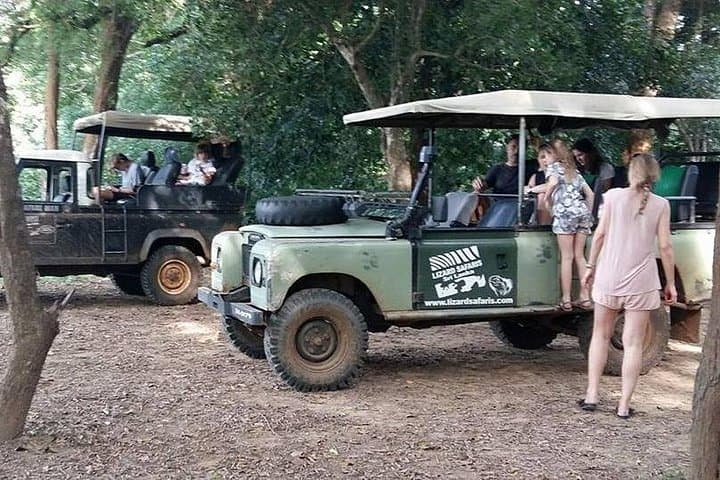
You slide into a private 4x4 at first light and the low light paints the reservoir like oil; the jeep bumps onto reddish dirt, and the park opens around you—flat grasslands studded with thorn scrub, a dark reservoir that draws elephants like a magnet, and distant palms framing wide sky.
Verified experiences and guided adventures in the surrounding area.
Operated by Galle Tours & Travels · Udawalawe, Sabaragamuwa Province
You slide into a private 4x4 at first light and the low light paints the reservoir like oil; the jeep bumps onto reddish dirt, and the park opens around you—flat grasslands studded with thorn scrub, a dark reservoir that draws elephants like a magnet, and distant palms framing wide sky.
Udawalawe National Park was established in 1972 to protect the catchment of the Udawalawe Reservoir and to provide habitat for Sri Lanka’s elephant populations displaced by development. The park’s geology is ancient crystalline rock overlaid with alluvial soil around the reservoir; the terrain is mostly low-lying with scrub forest and open grass plains that favor elephant and waterbird observations. Local culture around Udawalawe balances small-scale agriculture with wildlife tourism—villages often offer roadside snacks and artisan woodwork, and the nearby elephant transit home is a conservation and community-facing institution.
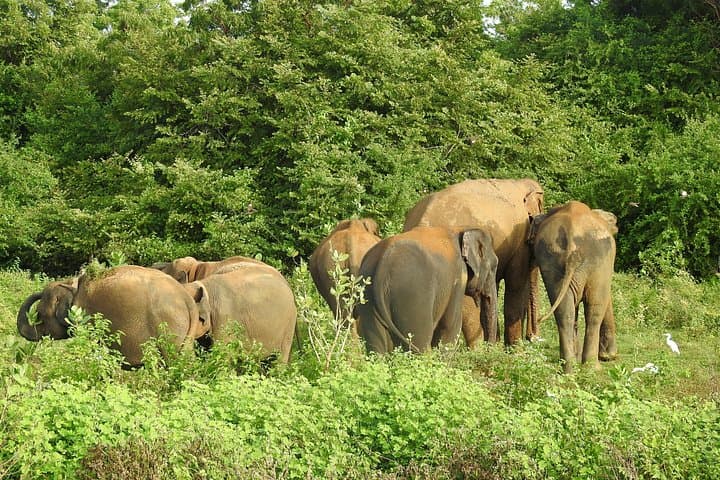
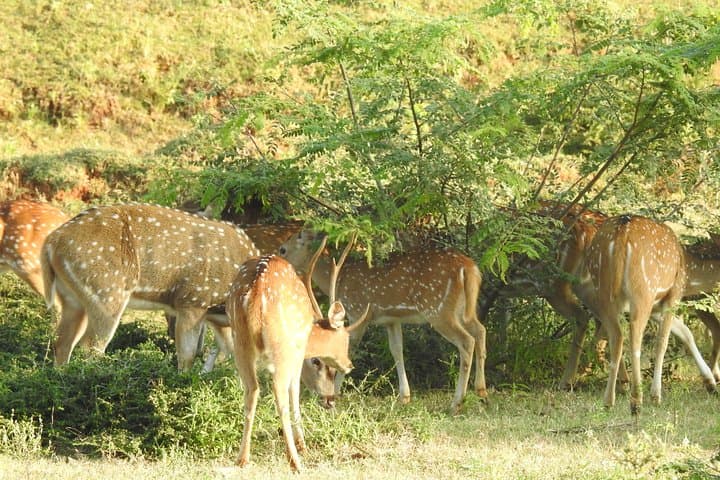
On this two-day private safari you’ll split time between guided game drives, optional birding on foot or by bike, and a short visit to the Udawalawe Elephant Transit Home to see rescued calves. Expect classic sightings: Asian elephant herds at the waterline, water buffalo, and an array of raptors; leopards and sloth bears are possible but shy.
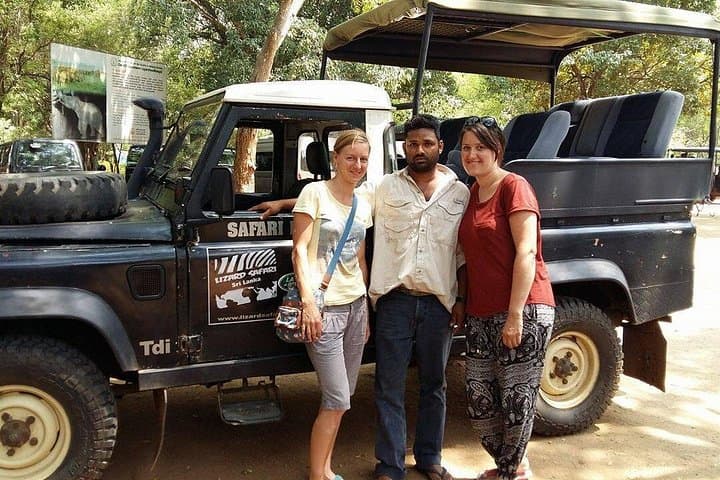
Practical guidance: dawn and late afternoon drives are best for wildlife; bring sun protection, insect repellent, and a lightweight layer for early starts. Vehicles are standard safari jeeps—prepare for dust and occasional bumpy stretches. Hydrate, move slowly when near animals, and follow your tracker’s directions to keep animals and visitors safe.
easy.
2 days (approx. 4–8 hours of safari driving total).
Minimal fitness required—able to board a 4x4 and walk short distances during birding or at the transit home.
Very likely—Udawalawe is known for its resident elephant herds that frequent the reservoir and plains, especially around dawn and dusk.
Yes; the two-day itinerary includes a visit to the Udawalawe Elephant Transit Home to observe rescued calves during feeding and play periods.
No—this tour is suitable for most fitness levels; safaris are conducted from a jeep with minimal walking unless you opt for guided birding hikes or bike rides.
Children are typically welcome, but the tour notes that it is not recommended for pregnant travelers—check provider policies and consult your doctor.
The park formed after the Udawalawe Reservoir was created in the 1960s; it was declared a national park in 1972 to protect wildlife displaced by development and to secure elephant habitat.
The Elephant Transit Home rehabilitates orphaned calves for eventual release while educating visitors; travel impact is minimized by staying on designated tracks and following guide instructions.
Galle Tours & Travels operates guided outdoor trips and adventures with an emphasis on safety, stewardship, and memorable experiences.
You slide into a private 4x4 at first light and the low light paints the reservoir like oil; the jeep bumps onto reddish dirt, and the park opens around you—flat grasslands studded with thorn scrub, a dark reservoir that draws elephants like a magnet, and distant palms framing wide sky.
You slide into a private 4x4 at first light and the low light paints the reservoir like oil; the jeep bumps onto reddish dirt, and the park opens around you—flat grasslands studded with thorn scrub, a dark reservoir that draws elephants like a magnet, and distant palms framing wide sky.
Udawalawe National Park was established in 1972 to protect the catchment of the Udawalawe Reservoir and to provide habitat for Sri Lanka’s elephant populations displaced by development. The park’s geology is ancient crystalline rock overlaid with alluvial soil around the reservoir; the terrain is mostly low-lying with scrub forest and open grass plains that favor elephant and waterbird observations. Local culture around Udawalawe balances small-scale agriculture with wildlife tourism—villages often offer roadside snacks and artisan woodwork, and the nearby elephant transit home is a conservation and community-facing institution.
On this two-day private safari you’ll split time between guided game drives, optional birding on foot or by bike, and a short visit to the Udawalawe Elephant Transit Home to see rescued calves. Expect classic sightings: Asian elephant herds at the waterline, water buffalo, and an array of raptors; leopards and sloth bears are possible but shy.
Practical guidance: dawn and late afternoon drives are best for wildlife; bring sun protection, insect repellent, and a lightweight layer for early starts. Vehicles are standard safari jeeps—prepare for dust and occasional bumpy stretches. Hydrate, move slowly when near animals, and follow your tracker’s directions to keep animals and visitors safe.