THE ADVENTURE COLLECTIVE® · Independent discovery and booking for outdoor travel

A two-day guided ascent of Slovenia’s national peak, starting from Krma Valley with an overnight at Kredarica Hut. Expect steep limestone ridges, exposed scrambling, and sweeping international views on a compact alpine itinerary.
A two-day guided ascent of Slovenia’s national peak, starting from Krma Valley with an overnight at Kredarica Hut. Expect steep limestone ridges, exposed scrambling, and sweeping international views on a compact alpine itinerary.
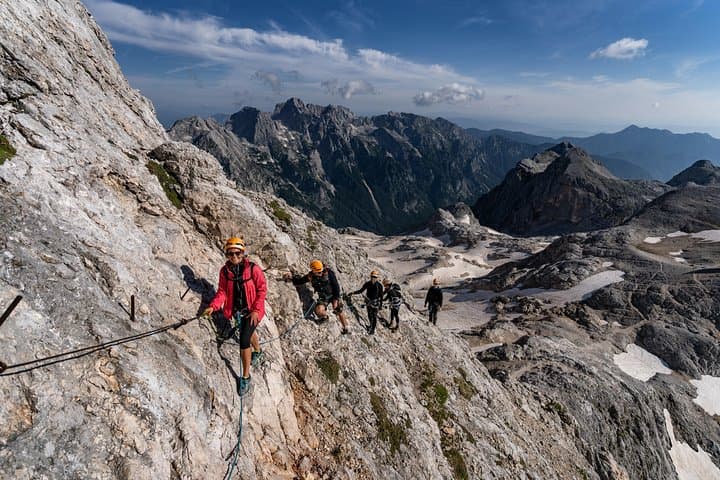
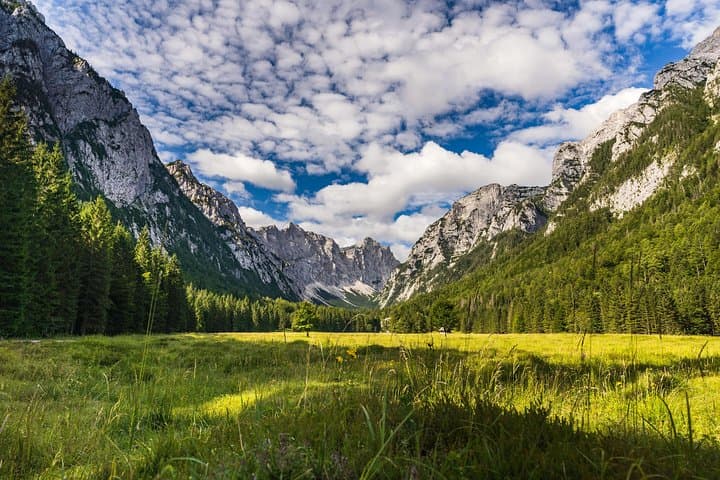
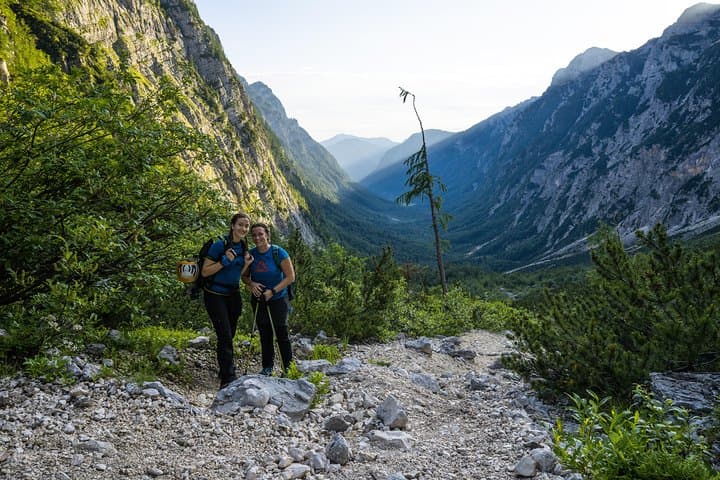
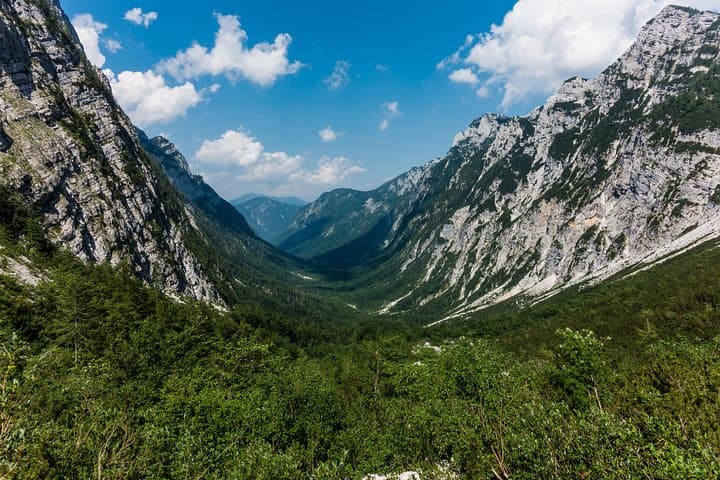
A pre-dawn shuttle from Bled drops you at the mouth of Krma Valley and the mountains take the conversation. The trail climbs through spruce-dark ravines, opens onto alpine pastures, and then tightens into rock where cables and ladders appear—this is Triglav, Slovenia’s high point and the axis of local pride.
Verified experiences and guided adventures in the surrounding area.
Operated by Altitude Activities · Bled, Upper Carniola
A pre-dawn shuttle from Bled drops you at the mouth of Krma Valley and the mountains take the conversation. The trail climbs through spruce-dark ravines, opens onto alpine pastures, and then tightens into rock where cables and ladders appear—this is Triglav, Slovenia’s high point and the axis of local pride.
Triglav’s limestone spine is part of the Julian Alps, carved by glaciers and weathered into steep ridgelines and karst bowls. The peak has been central to Slovenian identity for centuries; its three-peaked silhouette appears on the national flag and figured in pre-Christian myths. Huts like Kredarica sit at the threshold of this heritage—simple stone shelters that have supported climbers since the late 19th century.
On day one the route moves from forested slopes to high pastures in roughly six hours of walking; day two begins early with a 3–4 hour push to the summit that can include exposed sections requiring sure-footedness and comfort on fixed cables.
Practical note: this is a guided, technical day-hike packaged into two days—bring a windproof layer, 2 liters of water, and cash for the hut. Guides supply technical equipment when needed, but comfortable, broken-in boots and basic alpine experience make the day smoother. Expect rapidly changing weather; plan for visibility drops and cold even when the valley is warm.
The view from Triglav is the reward: a sweep of Slovenia and beyond—Austria, Italy, the Adriatic—if the weather allows. For many visitors, the summit is less a conquest and more a clear-headed conclusion to a compact, intense mountain experience.
challenging.
2 days (approx. 8–10 hours hiking total).
Expect sustained uphill hiking and short exposed scrambling; be comfortable with steep terrain and 6–8 hour hiking days.
Basic alpine experience and comfort on exposed, rocky terrain helps, but certified guides provide technical support and equipment for the standard route.
Transport from Bled, professional IFMGA guide, technical equipment as needed, and hut overnight logistics are included; food and hut fees may be extra.
Summer (July–September) offers the most stable conditions, though shoulder seasons can work with snow considerations—check with the operator.
Yes—good hiking boots and trekking poles can be rented in Bled and at the operator’s office; guides will supply any necessary fixed-line hardware.
Triglav has been a national symbol since the 19th century and featured in Slovenian folklore; mountain huts and trails expanded with the growth of alpine clubs in the late 1800s.
Triglav lies within Triglav National Park, where Leave No Trace practices are encouraged and hut capacities help limit overnight impact.
Altitude Activities operates guided outdoor trips and adventures with an emphasis on safety, stewardship, and memorable experiences.
A pre-dawn shuttle from Bled drops you at the mouth of Krma Valley and the mountains take the conversation. The trail climbs through spruce-dark ravines, opens onto alpine pastures, and then tightens into rock where cables and ladders appear—this is Triglav, Slovenia’s high point and the axis of local pride.
A pre-dawn shuttle from Bled drops you at the mouth of Krma Valley and the mountains take the conversation. The trail climbs through spruce-dark ravines, opens onto alpine pastures, and then tightens into rock where cables and ladders appear—this is Triglav, Slovenia’s high point and the axis of local pride.
Triglav’s limestone spine is part of the Julian Alps, carved by glaciers and weathered into steep ridgelines and karst bowls. The peak has been central to Slovenian identity for centuries; its three-peaked silhouette appears on the national flag and figured in pre-Christian myths. Huts like Kredarica sit at the threshold of this heritage—simple stone shelters that have supported climbers since the late 19th century.
On day one the route moves from forested slopes to high pastures in roughly six hours of walking; day two begins early with a 3–4 hour push to the summit that can include exposed sections requiring sure-footedness and comfort on fixed cables.
Practical note: this is a guided, technical day-hike packaged into two days—bring a windproof layer, 2 liters of water, and cash for the hut. Guides supply technical equipment when needed, but comfortable, broken-in boots and basic alpine experience make the day smoother. Expect rapidly changing weather; plan for visibility drops and cold even when the valley is warm.
The view from Triglav is the reward: a sweep of Slovenia and beyond—Austria, Italy, the Adriatic—if the weather allows. For many visitors, the summit is less a conquest and more a clear-headed conclusion to a compact, intense mountain experience.