THE ADVENTURE COLLECTIVE® · Independent discovery and booking for outdoor travel

Travel from Bucharest into the Carpathians on a compact two-day loop that hits Peleș Castle, Bran (Dracula) Castle and medieval Brașov, plus the UNESCO-listed Prejmer fortress. Practical, paced and rich in history—ideal for first-time visitors to Transylvania.
Travel from Bucharest into the Carpathians on a compact two-day loop that hits Peleș Castle, Bran (Dracula) Castle and medieval Brașov, plus the UNESCO-listed Prejmer fortress. Practical, paced and rich in history—ideal for first-time visitors to Transylvania.
The bus pulls out of Bucharest before dawn and the low plains give way to the first ribs of the Carpathians. Pine ridges press close to the road, fog clinging to terraces and a river that seems to dare you toward the mountains. By mid-morning you’re standing beneath carved eaves and ornate spires at Peleș Castle, the 19th-century royal retreat whose stone and woodwork reflect an era of ambition and European tastes.
Verified experiences and guided adventures in the surrounding area.
Operated by Come and Go · Brașov, Brașov County
The bus pulls out of Bucharest before dawn and the low plains give way to the first ribs of the Carpathians. Pine ridges press close to the road, fog clinging to terraces and a river that seems to dare you toward the mountains. By mid-morning you’re standing beneath carved eaves and ornate spires at Peleș Castle, the 19th-century royal retreat whose stone and woodwork reflect an era of ambition and European tastes.
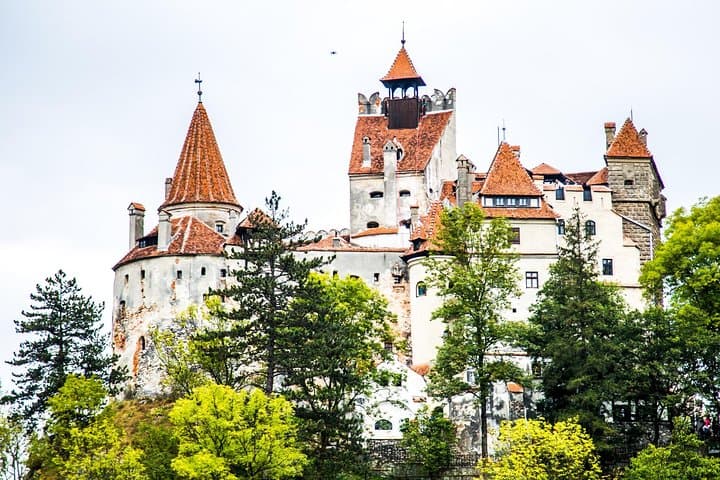
History arrives fast: medieval fortresses, Teutonic settlements and the long shadow of Vlad Țepeș—whose myths live in the timbered halls of Bran Castle. The geology is visible in road cuts and steep valleys—limestone outcrops, glacial cirques higher still—and the fortified church at Prejmer tells of a community shaped by raids, trade routes and Saxon craft.
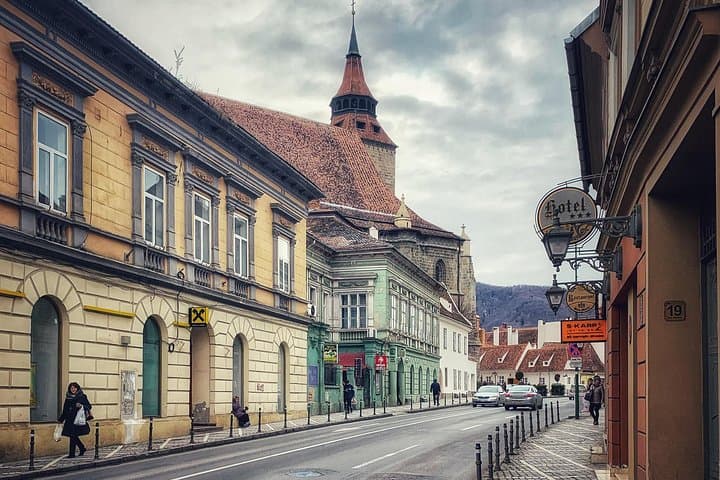
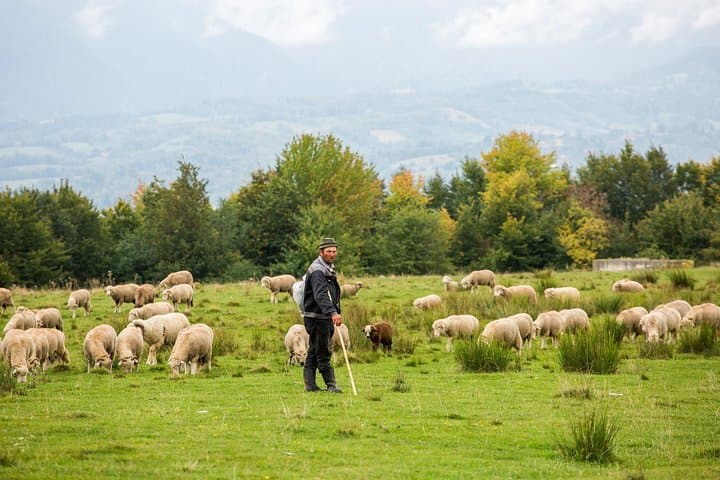
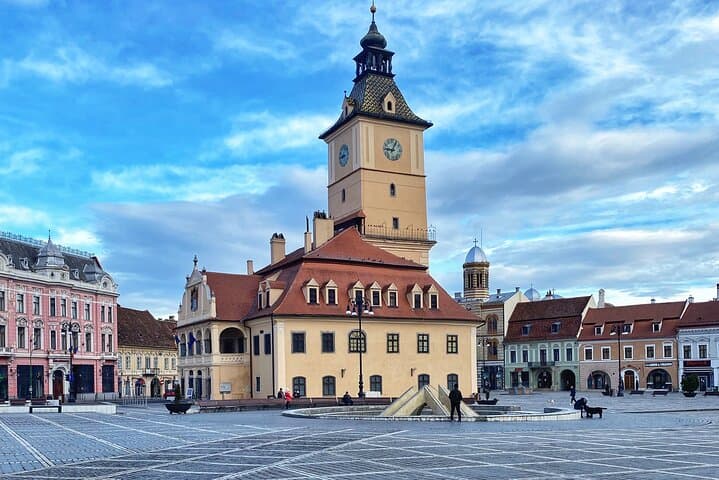
Culturally, this route threads urban Brasov’s Council Square, slow mountain villages and roadside stands selling smoked cheese and plum brandy. Expect cobbled streets, narrow lanes and viewpoints that reward short climbs.
Practically: the itinerary runs over two days with one overnight in a 3–4 star hotel in Brasov. Entrance fees are commonly extra; bring local currency and a lightweight daypack. Roads through Prahova Valley and the winding passes can be narrow—motion-sick travelers should plan accordingly. Wear sturdy shoes for castle grounds and uneven pavements, and layer for rapidly changing mountain weather. Guided commentary fills travel time, but build in extra minutes for photos and short hikes off the beaten path. This tour balances accessible sightseeing with enough terrain and history to leave you wanting to explore Transylvania further.
easy.
2 days.
Suitable for travelers with basic mobility; expect short walks of 15–45 minutes at sites and some stair climbs.
Most tours list admissions as optional extras—confirm at booking; many operators leave fees and fast-track tickets as add-ons.
The itinerary typically includes one night in Brașov at a 3–4 star hotel; exact property varies by operator.
Road distance to Brașov is roughly 170–180 km (about 2.5–3 hours each way depending on traffic), with additional time for stops en route.
Yes—it's rated easy physically, but children and older travelers should be prepared for stairs, cobbles and some time on the bus.
The route traces Saxon and royal influences: Prejmer is a fortified church built by Transylvanian Saxons, while Peleș reflects Romania’s 19th-century nation-building under King Carol I.
Many sites balance visitor access with preservation—stick to marked paths, avoid touching frescoes and use official parking and waste facilities to limit impact.
Come and Go operates guided outdoor trips and adventures with an emphasis on safety, stewardship, and memorable experiences.
The bus pulls out of Bucharest before dawn and the low plains give way to the first ribs of the Carpathians. Pine ridges press close to the road, fog clinging to terraces and a river that seems to dare you toward the mountains. By mid-morning you’re standing beneath carved eaves and ornate spires at Peleș Castle, the 19th-century royal retreat whose stone and woodwork reflect an era of ambition and European tastes.
The bus pulls out of Bucharest before dawn and the low plains give way to the first ribs of the Carpathians. Pine ridges press close to the road, fog clinging to terraces and a river that seems to dare you toward the mountains. By mid-morning you’re standing beneath carved eaves and ornate spires at Peleș Castle, the 19th-century royal retreat whose stone and woodwork reflect an era of ambition and European tastes.
History arrives fast: medieval fortresses, Teutonic settlements and the long shadow of Vlad Țepeș—whose myths live in the timbered halls of Bran Castle. The geology is visible in road cuts and steep valleys—limestone outcrops, glacial cirques higher still—and the fortified church at Prejmer tells of a community shaped by raids, trade routes and Saxon craft.
Culturally, this route threads urban Brasov’s Council Square, slow mountain villages and roadside stands selling smoked cheese and plum brandy. Expect cobbled streets, narrow lanes and viewpoints that reward short climbs.
Practically: the itinerary runs over two days with one overnight in a 3–4 star hotel in Brasov. Entrance fees are commonly extra; bring local currency and a lightweight daypack. Roads through Prahova Valley and the winding passes can be narrow—motion-sick travelers should plan accordingly. Wear sturdy shoes for castle grounds and uneven pavements, and layer for rapidly changing mountain weather. Guided commentary fills travel time, but build in extra minutes for photos and short hikes off the beaten path. This tour balances accessible sightseeing with enough terrain and history to leave you wanting to explore Transylvania further.