
Two-Day Train Tour to Sacred Valley and Machu Picchu — Train, Hike & Sunrise at the Citadel
A fast-paced, two-day rail-and-hike itinerary that pairs the Sacred Valley’s Inca agricultural sites with a sunrise arrival at Machu Picchu. Ideal for travelers who want a focused experience of Peru’s iconic ruins over a compact schedule.
An Adventure In Cusco.
A fast-paced, two-day rail-and-hike itinerary that pairs the Sacred Valley’s Inca agricultural sites with a sunrise arrival at Machu Picchu. Ideal for travelers who want a focused experience of Peru’s iconic ruins over a compact schedule.
Read the full experience
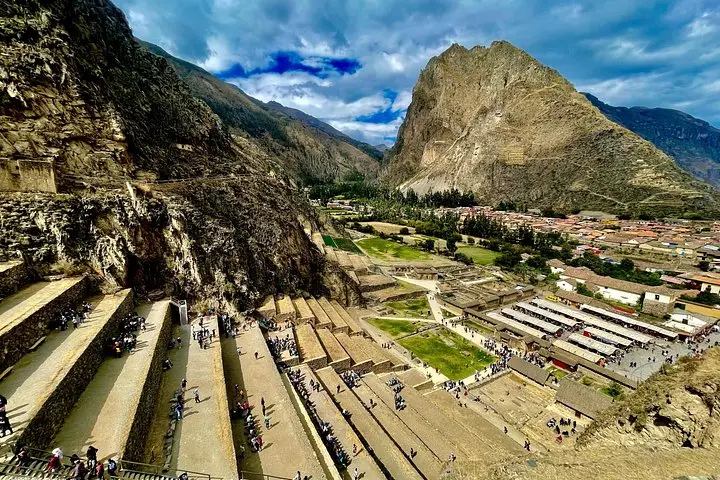
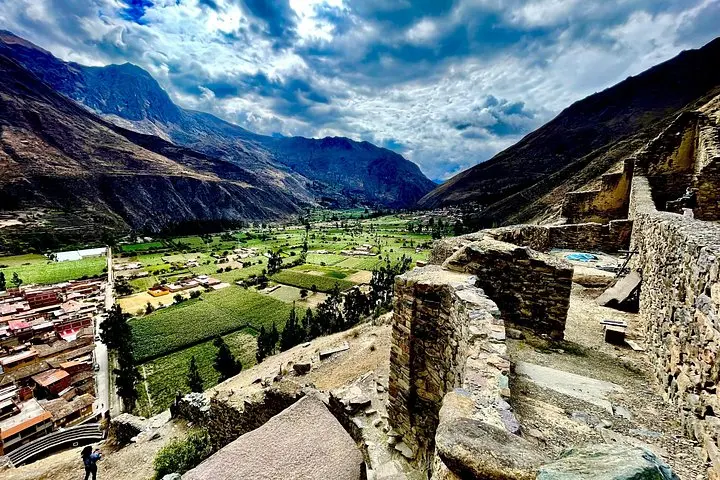
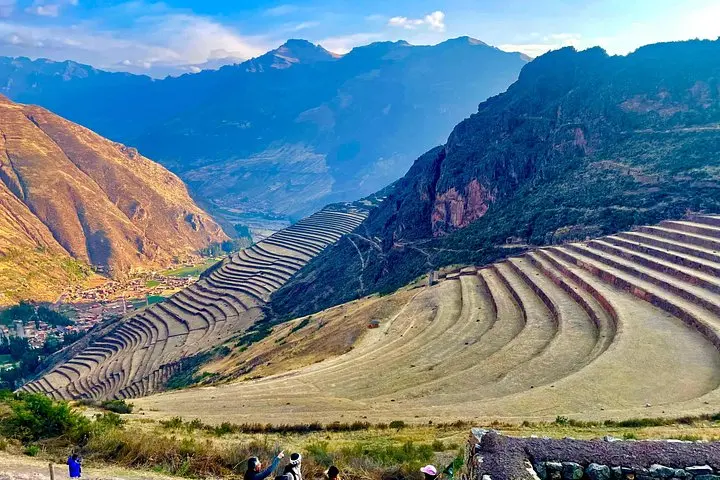
Mist clings to the Urubamba at dawn as the train eases out of Ollantaytambo and the Andes begin to open. Day one places you in the Sacred Valley—Chinchero’s highland terraces, Moray’s circular agricultural labs, the white tiers of Maras salt pans and the stepped fortress of Ollantaytambo—each stop a chapter in the Incas’ working landscape. The next morning begins before sunrise in Aguas Calientes. A steep, stepped trail and a 400 m ascent deliver you to Machu Picchu’s entrance in roughly 1–1.5 hours; the first light pulls fog from the ruins and reveals terraces and trapezoidal doorways carved into granite.
Mist clings to the Urubamba at dawn as the train eases out of Ollantaytambo and the Andes begin to open. Day one places you in the Sacred Valley—Chinchero’s highland terraces, Moray’s circular agricultural labs, the white tiers of Maras salt pans and the stepped fortress of Ollantaytambo—each stop a chapter in the Incas’ working landscape. The next morning begins before sunrise in Aguas Calientes. A steep, stepped trail and a 400 m ascent deliver you to Machu Picchu’s entrance in roughly 1–1.5 hours; the first light pulls fog from the ruins and reveals terraces and trapezoidal doorways carved into granite.
The route threads geology and culture: volcanic and granite bedrock shaped steep river valleys; Incas engineered microclimates with terraces and the Moray depressions to acclimatize crops. Local Quechua communities still weave and farm in the valley, offering markets and living craft traditions. Archaeological context matters—Machu Picchu is a 15th-century royal estate attributed to Pachacuti and a logistical marvel of water channels and stone masonry.
Practical guidance: book Machu Picchu tickets months ahead and confirm train times; trains run to Aguas Calientes from Ollantaytambo. Expect high altitude—Cusco (3,400 m) and Sacred Valley (2,800–3,100 m) require 48–72 hours for many to acclimatize. Wear sturdy shoes for stone steps, bring a waterproof layer for afternoon showers, and carry extra water and snacks for the uphill approach. Respect site rules: stay on marked paths, follow your guide during the timed visit, and leave no trace to protect these fragile ruins.
Frequently asked questions
Yes—entrance slots are limited and often sell out; book tickets and train seats together several weeks to months ahead, especially in dry season.
The uphill climb is steep and includes roughly 1–1.5 hours of stone steps with about 400 m elevation gain; pace yourself and use breaks.
Possibly—Cusco and parts of the Sacred Valley sit above 2,800 m; allow time to acclimatize, stay hydrated, and avoid alcohol before strenuous activity.
The itinerary includes one night in Aguas Calientes (private room in a hostel) plus some meals—confirm exact inclusions with the operator before booking.
About This Experience
Wondrous Expeditions operates guided outdoor trips and adventures with an emphasis on safety, stewardship, and memorable experiences.
Adventure tips
Recommended gear
- Sturdy hiking shoes: Provides traction and ankle support on stone steps and uneven trails.
- Waterproof rain jacket: Afternoon storms are common—keep dry during the uphill approach and while exploring ruins.
- Daypack with hydration: Carries water, snacks, passport, and layers for the climb and guided tour.
- Trekking poles: Useful for descending and easing impact on knees during the steep stair sections.
Photos of the experience
Related adventures & guides
Read the full experience
Mist clings to the Urubamba at dawn as the train eases out of Ollantaytambo and the Andes begin to open. Day one places you in the Sacred Valley—Chinchero’s highland terraces, Moray’s circular agricultural labs, the white tiers of Maras salt pans and the stepped fortress of Ollantaytambo—each stop a chapter in the Incas’ working landscape. The next morning begins before sunrise in Aguas Calientes. A steep, stepped trail and a 400 m ascent deliver you to Machu Picchu’s entrance in roughly 1–1.5 hours; the first light pulls fog from the ruins and reveals terraces and trapezoidal doorways carved into granite.
Mist clings to the Urubamba at dawn as the train eases out of Ollantaytambo and the Andes begin to open. Day one places you in the Sacred Valley—Chinchero’s highland terraces, Moray’s circular agricultural labs, the white tiers of Maras salt pans and the stepped fortress of Ollantaytambo—each stop a chapter in the Incas’ working landscape. The next morning begins before sunrise in Aguas Calientes. A steep, stepped trail and a 400 m ascent deliver you to Machu Picchu’s entrance in roughly 1–1.5 hours; the first light pulls fog from the ruins and reveals terraces and trapezoidal doorways carved into granite.
The route threads geology and culture: volcanic and granite bedrock shaped steep river valleys; Incas engineered microclimates with terraces and the Moray depressions to acclimatize crops. Local Quechua communities still weave and farm in the valley, offering markets and living craft traditions. Archaeological context matters—Machu Picchu is a 15th-century royal estate attributed to Pachacuti and a logistical marvel of water channels and stone masonry.
Practical guidance: book Machu Picchu tickets months ahead and confirm train times; trains run to Aguas Calientes from Ollantaytambo. Expect high altitude—Cusco (3,400 m) and Sacred Valley (2,800–3,100 m) require 48–72 hours for many to acclimatize. Wear sturdy shoes for stone steps, bring a waterproof layer for afternoon showers, and carry extra water and snacks for the uphill approach. Respect site rules: stay on marked paths, follow your guide during the timed visit, and leave no trace to protect these fragile ruins.
Make a day of it nearby.
Verified experiences and guided adventures in the surrounding area.