THE ADVENTURE COLLECTIVE® · Independent discovery and booking for outdoor travel

Spend two days seeing Iguazu Falls from both national parks: sweeping panoramas on the Brazilian side and up-close walks and the Devil’s Throat on the Argentine side. This private tour includes guided border assistance and full-day exploration on each side.
Spend two days seeing Iguazu Falls from both national parks: sweeping panoramas on the Brazilian side and up-close walks and the Devil’s Throat on the Argentine side. This private tour includes guided border assistance and full-day exploration on each side.
You step from an air-conditioned van into a spray-sweetened air where the falls first reveal themselves as thunder that you feel more than hear.
Verified experiences and guided adventures in the surrounding area.
Operated by Iguassu Life Tour - Day Tours · Foz do Iguaçu, Paraná
You step from an air-conditioned van into a spray-sweetened air where the falls first reveal themselves as thunder that you feel more than hear.
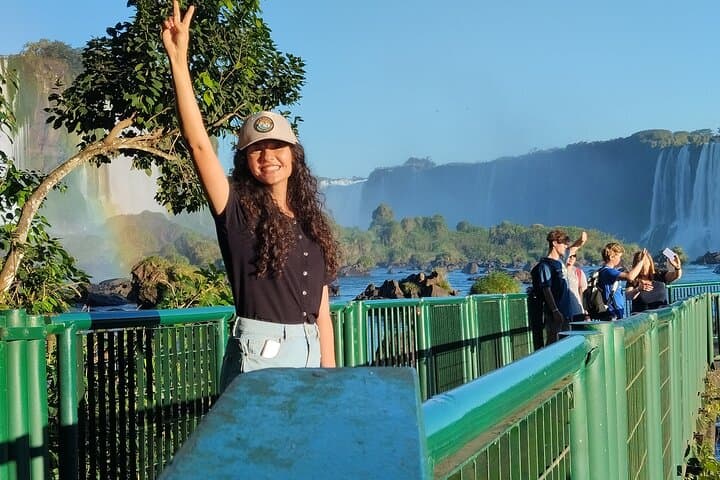
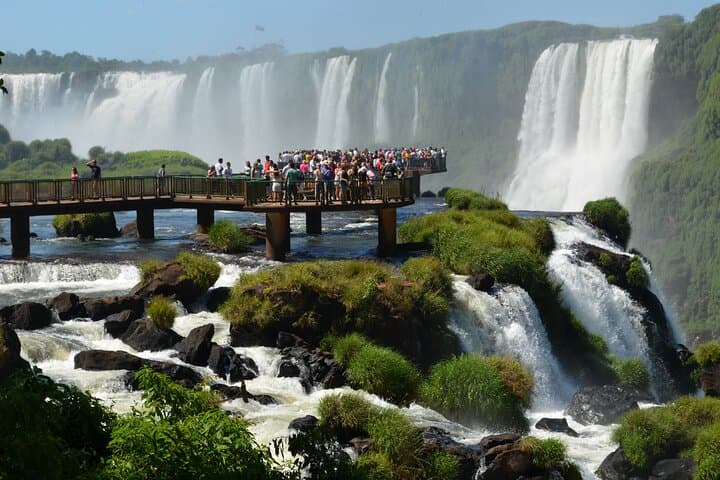
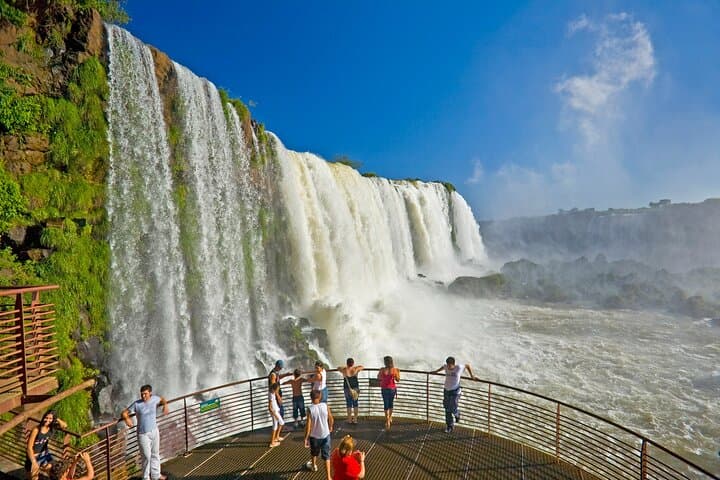
The first day on the Brazilian side lays out the panorama: broad wooden walkways and viewing platforms that frame 275 cataracts in a single, cinematic arc. The second day on the Argentine side trades distance for immersion—trains, braided trails and the raw approach to the Devil’s Throat where water darts and roars around you.
Geologically, Iguazu is young and volatile: basalt flows cut by the Paraná River produce the stepped escarpments that force water into plunging curtains. Culturally, the area sits at a tri-border crossroads—Guarani heritage threads local place names and craft, while the towns of Foz do Iguaçu (Brazil) and Puerto Iguazú (Argentina) service visitors with markets and eateries.
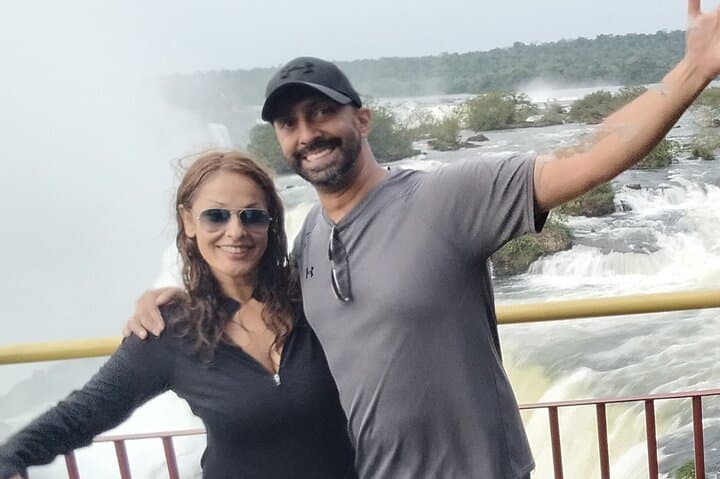
Expect well-marked trails and park infrastructure on both sides, plus border formalities handled by your guide. Wildlife is visible from the paths—coatis and toucans are common—so keep distance and don’t feed animals. Photography windows open early and late in the day when light slants across mist.
Practical notes: carry your passport and basic change for park fees or souvenirs, wear grippy shoes for wet boardwalks, and bring a compact rain jacket or waterproof phone case—the spray can be relentless. Hydrate between circuits; plan for long walking stretches and stair sections on the Argentine trails. With planning, the two-day rhythm—wide views then close-up thunder—delivers one of South America’s most complete waterfall experiences.
moderate.
2 days (full-day tours each day).
Light to moderate fitness: be prepared to walk several kilometers on boardwalks and climb stairs on the Argentine trails.
Yes—crossing between the Brazilian and Argentine parks requires valid travel documents; your guide will assist during border passage.
The Brazilian side has accessible viewing platforms and facilities; the Argentine circuits include boardwalks but some sections and viewpoints have stairs.
Admission is typically not included in the base tour price; check your booking details and budget for entrance fees on each side.
Early morning offers softer light and fewer crowds; late afternoon can produce dramatic backlighting but increased visitor numbers.
The falls sit on the Paraná River and formed where ancient basalt flows were fractured; the area is also traditional Guarani territory with place names and cultural ties to the land.
Both national parks manage visitor flows and infrastructure to protect fragile riparian habitats—stay on trails and follow park rules to reduce impact.
Iguassu Life Tour - Day Tours operates guided outdoor trips and adventures with an emphasis on safety, stewardship, and memorable experiences.
You step from an air-conditioned van into a spray-sweetened air where the falls first reveal themselves as thunder that you feel more than hear.
You step from an air-conditioned van into a spray-sweetened air where the falls first reveal themselves as thunder that you feel more than hear.
The first day on the Brazilian side lays out the panorama: broad wooden walkways and viewing platforms that frame 275 cataracts in a single, cinematic arc. The second day on the Argentine side trades distance for immersion—trains, braided trails and the raw approach to the Devil’s Throat where water darts and roars around you.
Geologically, Iguazu is young and volatile: basalt flows cut by the Paraná River produce the stepped escarpments that force water into plunging curtains. Culturally, the area sits at a tri-border crossroads—Guarani heritage threads local place names and craft, while the towns of Foz do Iguaçu (Brazil) and Puerto Iguazú (Argentina) service visitors with markets and eateries.
Expect well-marked trails and park infrastructure on both sides, plus border formalities handled by your guide. Wildlife is visible from the paths—coatis and toucans are common—so keep distance and don’t feed animals. Photography windows open early and late in the day when light slants across mist.
Practical notes: carry your passport and basic change for park fees or souvenirs, wear grippy shoes for wet boardwalks, and bring a compact rain jacket or waterproof phone case—the spray can be relentless. Hydrate between circuits; plan for long walking stretches and stair sections on the Argentine trails. With planning, the two-day rhythm—wide views then close-up thunder—delivers one of South America’s most complete waterfall experiences.