THE ADVENTURE COLLECTIVE® · Independent discovery and booking for outdoor travel

A compact, two-day climb from Marrakech to the summit of Jbel Toubkal (4,167 m), this trek pairs steep alpine terrain with Berber village culture. Ideal for fit hikers who want a summit experience without technical climbing.
A compact, two-day climb from Marrakech to the summit of Jbel Toubkal (4,167 m), this trek pairs steep alpine terrain with Berber village culture. Ideal for fit hikers who want a summit experience without technical climbing.
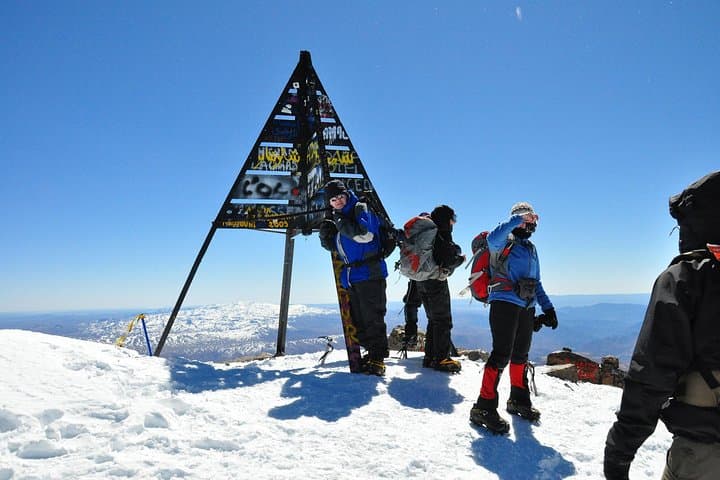
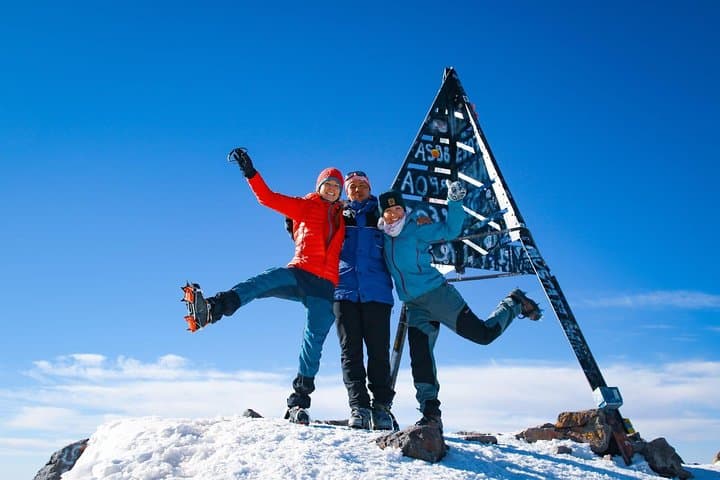
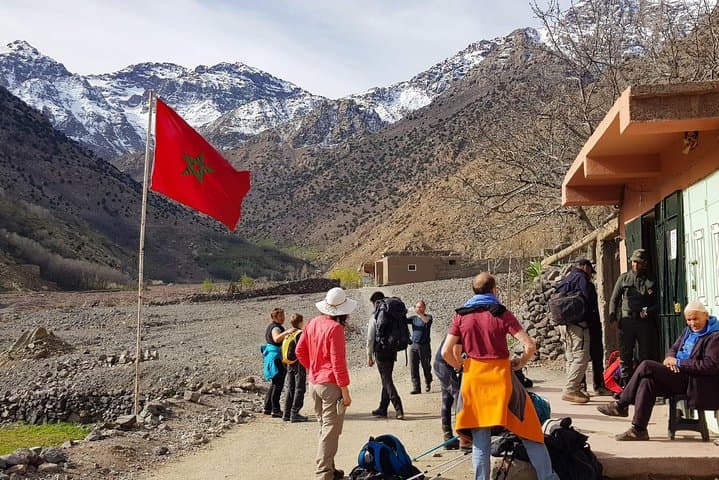
Daybreak in the High Atlas feels immediate — the valley exhales cool air and the trail from Imlil climbs into stony light. On this two-day itinerary you move from terraced orchards and Berber villages up to the Toubkal refuge at 3,207 m, then push for the summit of Jbel Toubkal (4,167 m) on day two. The first day’s walk follows the Aït Mizane valley past Aremd and the small sanctuary at Sidi Chamarouch, through steep switchbacks that test the legs while the landscape opens to red scree and glacially carved ridgelines.
Verified experiences and guided adventures in the surrounding area.
Operated by Morocco Tours With Locals · Imlil, Marrakesh-Safi
Daybreak in the High Atlas feels immediate — the valley exhales cool air and the trail from Imlil climbs into stony light. On this two-day itinerary you move from terraced orchards and Berber villages up to the Toubkal refuge at 3,207 m, then push for the summit of Jbel Toubkal (4,167 m) on day two. The first day’s walk follows the Aït Mizane valley past Aremd and the small sanctuary at Sidi Chamarouch, through steep switchbacks that test the legs while the landscape opens to red scree and glacially carved ridgelines.
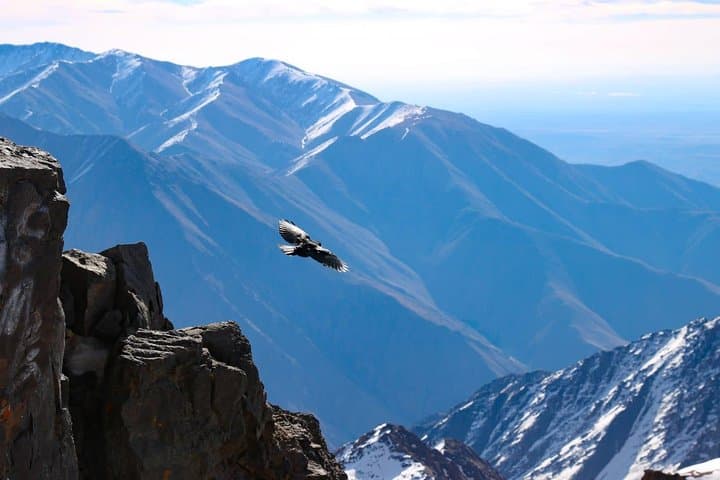
Geologically the High Atlas is young and rugged — folded sedimentary layers thrust up by tectonic collision — and Toubkal’s summit shows the raw, rocky face of those forces. Culturally the route threads through Amazigh (Berber) villages where seasonal shepherding and stone-built terraces remain common; guides and muleteers from local kasbahs have run these paths for generations.
Expect a demanding summit day: 10–12 hours round-trip from the refuge with loose rock, stream crossings, and exposed sections where wind can sharpen quickly. Altitude is the main challenge — take time to hydrate, move deliberately, and use trekking poles on descents.
Practical tips: arrange pickup in Marrakech with transfer to Imlil, sleep in the refuge to shorten the summit push, and carry warm layers and a headlamp for early starts. Weather can swing from sun to sleet in hours; plan conservatively and hire an experienced local guide for safety and route choice.
challenging.
2 days (10–12 hours summit day).
Best for hikers with good aerobic fitness and experience steep, rocky ascents at altitude
No technical climbing is required on the normal route, but the summit day is long and exposed; good fitness and sure-footedness are necessary.
Most departures are from Marrakech with a drive to Imlil (1,740 m); the route returns to Imlil and transfers back to Marrakech.
Yes — the standard itinerary uses the Toubkal refuge at 3,207 m for an overnight; local guesthouses in Imlil are available for pre- or post-trek stays.
Operators commonly cancel for unsafe weather; check booking terms (this option allows full refund if canceled at least 24 hours before departure).
The High Atlas has been inhabited by Amazigh communities for millennia; Toubkal has long been a seasonal grazing area and cultural waypoint for valley settlements.
Stick to marked trails to limit erosion, avoid fires above tree line, and hire local guides to support community-based tourism and preserve traditional land use.
Morocco Tours With Locals operates guided outdoor trips and adventures with an emphasis on safety, stewardship, and memorable experiences.
Daybreak in the High Atlas feels immediate — the valley exhales cool air and the trail from Imlil climbs into stony light. On this two-day itinerary you move from terraced orchards and Berber villages up to the Toubkal refuge at 3,207 m, then push for the summit of Jbel Toubkal (4,167 m) on day two. The first day’s walk follows the Aït Mizane valley past Aremd and the small sanctuary at Sidi Chamarouch, through steep switchbacks that test the legs while the landscape opens to red scree and glacially carved ridgelines.
Daybreak in the High Atlas feels immediate — the valley exhales cool air and the trail from Imlil climbs into stony light. On this two-day itinerary you move from terraced orchards and Berber villages up to the Toubkal refuge at 3,207 m, then push for the summit of Jbel Toubkal (4,167 m) on day two. The first day’s walk follows the Aït Mizane valley past Aremd and the small sanctuary at Sidi Chamarouch, through steep switchbacks that test the legs while the landscape opens to red scree and glacially carved ridgelines.
Geologically the High Atlas is young and rugged — folded sedimentary layers thrust up by tectonic collision — and Toubkal’s summit shows the raw, rocky face of those forces. Culturally the route threads through Amazigh (Berber) villages where seasonal shepherding and stone-built terraces remain common; guides and muleteers from local kasbahs have run these paths for generations.
Expect a demanding summit day: 10–12 hours round-trip from the refuge with loose rock, stream crossings, and exposed sections where wind can sharpen quickly. Altitude is the main challenge — take time to hydrate, move deliberately, and use trekking poles on descents.
Practical tips: arrange pickup in Marrakech with transfer to Imlil, sleep in the refuge to shorten the summit push, and carry warm layers and a headlamp for early starts. Weather can swing from sun to sleet in hours; plan conservatively and hire an experienced local guide for safety and route choice.