THE ADVENTURE COLLECTIVE® · Independent discovery and booking for outdoor travel

A compact, guided two-day trek from Marrakech to the summit of Mount Toubkal (4,167 m). Expect steep gains, a night at the Toubkal refuge and sweeping Atlas views with local Berber support.
A compact, guided two-day trek from Marrakech to the summit of Mount Toubkal (4,167 m). Expect steep gains, a night at the Toubkal refuge and sweeping Atlas views with local Berber support.
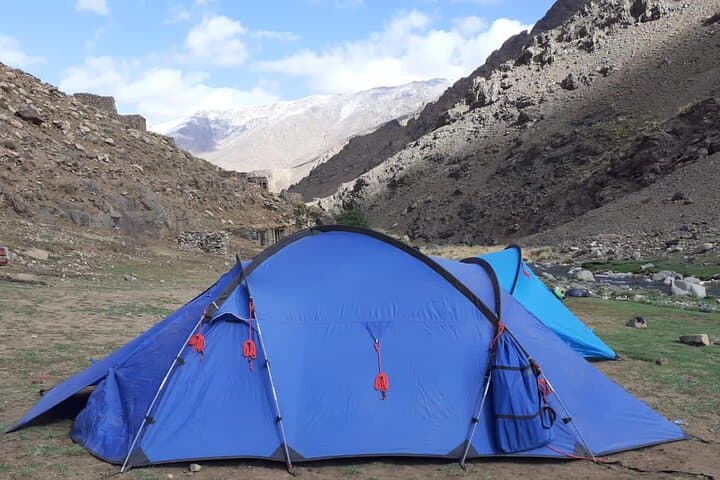
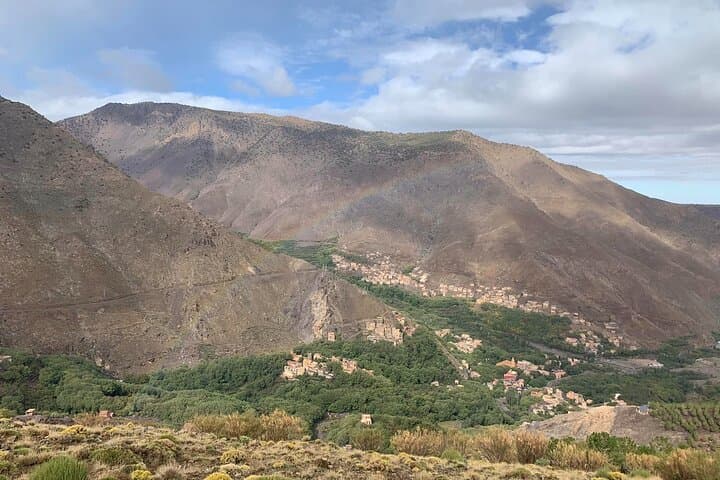
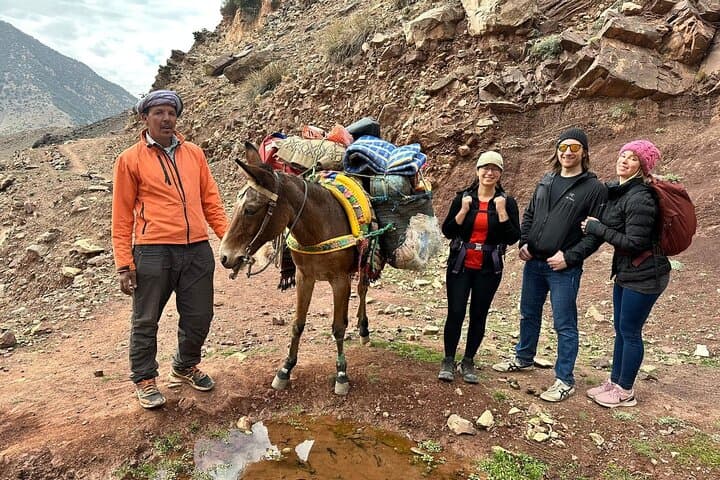
A predawn van ride leaves the tiled alleys of Marrakech behind, and by midmorning the road narrows into the Aït Mizane valley. The air sharpens as terraces and earthen Berber houses compress into gullies; mule tracks climb toward Sidi Chamarouch and the stone silhouette of the Toubkal refuge at 3,207 m. Night in the refuge is pragmatic — dinner, early sleep, and the soft clink of gear as guides ready for the summit push.
Verified experiences and guided adventures in the surrounding area.
Operated by Toubkal Top Travels · Imlil, Marrakesh-Safi
A predawn van ride leaves the tiled alleys of Marrakech behind, and by midmorning the road narrows into the Aït Mizane valley. The air sharpens as terraces and earthen Berber houses compress into gullies; mule tracks climb toward Sidi Chamarouch and the stone silhouette of the Toubkal refuge at 3,207 m. Night in the refuge is pragmatic — dinner, early sleep, and the soft clink of gear as guides ready for the summit push.
Mount Toubkal is the highest peak in North Africa (4,167 m), part of the High Atlas uplift created by the African–Eurasian plate collision. Rock here alternates between hard, eroded schists and granite outcrops, with steep scree slopes that test footwork more than technical ropework. The route threads past small Berber villages where language, hospitality and mule logistics are woven into everyday life; many guides are local and speak English, French, Spanish and Arabic.
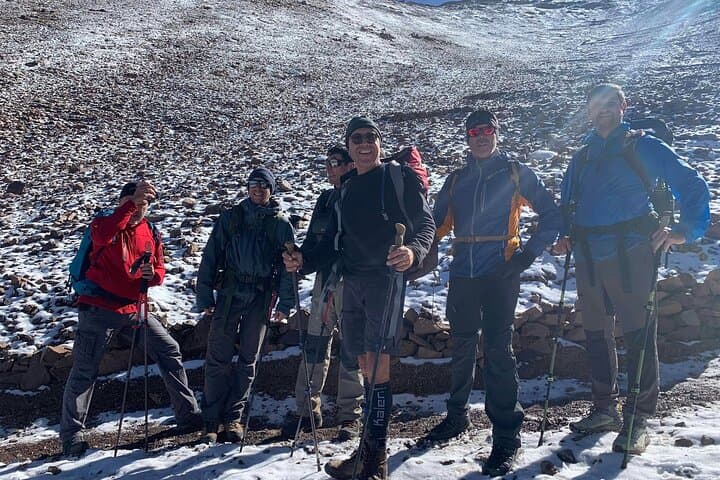
Practically, the standard itinerary is two days: Imlil (1,740 m) to refuge (3,207 m) — about 4–5 hours with ~1,467 m gain — then a pre-dawn 3–4 hour ascent to the summit and descent back to Imlil the second day. Expect rocky trails, loose scree sections and strong sun in the valley. Hydrate, layer for rapid temperature swings, and use trekking poles for steep descents. No technical climbing skills are required, but altitude and sustained steep walking demand good fitness. Guides, muleteers and refuge logistics remove much of the planning burden — you bring the legs and a readiness for changing mountain weather.
challenging.
2 days (approx. 48 hours).
Good aerobic fitness and experience with multi-hour uphill hikes; comfortable with sustained elevation gain and long days.
No technical climbing is required on the standard route; it is a strenuous high-altitude trek on rocky and scree terrain, suitable for experienced hikers but not climbers.
Day 1 climbs roughly 1,400–1,500 m from Imlil to the refuge (about 4–5 hours); Day 2 includes ~960 m to the summit and a full-day descent back to Imlil.
There’s limited acclimatization built into the itinerary; prior exposure to 2,000–3,000 m hiking is helpful and those sensitive to altitude should discuss options with the operator.
Yes — the standard packaged tour includes guided support, meals as listed (breakfast, lunch, dinner) and overnight at the Toubkal refuge and a guesthouse in Aremd/Imlil.
The High Atlas has been inhabited by Berber (Amazigh) communities for millennia; local routes have long been mule tracks linking valleys and seasonal pastures.
Toubkal lies within a protected area where guided, low-impact tourism supports local incomes; stick to trails, avoid leaving waste, and follow refuge rules to reduce environmental impact.
Toubkal Top Travels operates guided outdoor trips and adventures with an emphasis on safety, stewardship, and memorable experiences.
A predawn van ride leaves the tiled alleys of Marrakech behind, and by midmorning the road narrows into the Aït Mizane valley. The air sharpens as terraces and earthen Berber houses compress into gullies; mule tracks climb toward Sidi Chamarouch and the stone silhouette of the Toubkal refuge at 3,207 m. Night in the refuge is pragmatic — dinner, early sleep, and the soft clink of gear as guides ready for the summit push.
A predawn van ride leaves the tiled alleys of Marrakech behind, and by midmorning the road narrows into the Aït Mizane valley. The air sharpens as terraces and earthen Berber houses compress into gullies; mule tracks climb toward Sidi Chamarouch and the stone silhouette of the Toubkal refuge at 3,207 m. Night in the refuge is pragmatic — dinner, early sleep, and the soft clink of gear as guides ready for the summit push.
Mount Toubkal is the highest peak in North Africa (4,167 m), part of the High Atlas uplift created by the African–Eurasian plate collision. Rock here alternates between hard, eroded schists and granite outcrops, with steep scree slopes that test footwork more than technical ropework. The route threads past small Berber villages where language, hospitality and mule logistics are woven into everyday life; many guides are local and speak English, French, Spanish and Arabic.
Practically, the standard itinerary is two days: Imlil (1,740 m) to refuge (3,207 m) — about 4–5 hours with ~1,467 m gain — then a pre-dawn 3–4 hour ascent to the summit and descent back to Imlil the second day. Expect rocky trails, loose scree sections and strong sun in the valley. Hydrate, layer for rapid temperature swings, and use trekking poles for steep descents. No technical climbing skills are required, but altitude and sustained steep walking demand good fitness. Guides, muleteers and refuge logistics remove much of the planning burden — you bring the legs and a readiness for changing mountain weather.