THE ADVENTURE COLLECTIVE® · Independent discovery and booking for outdoor travel

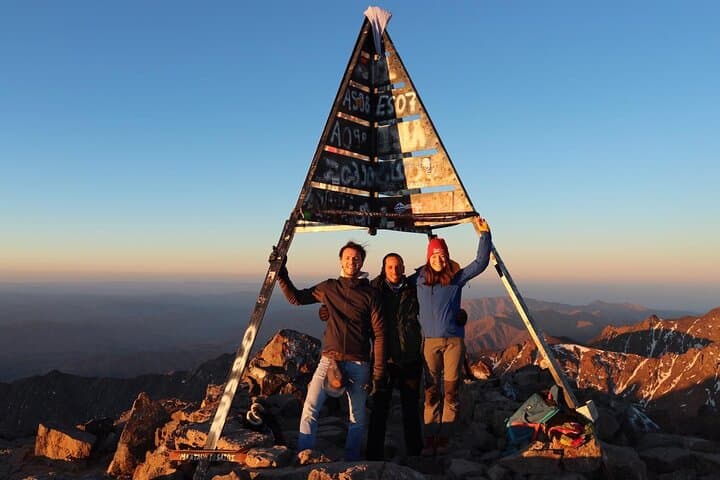
Summit Morocco’s highest peak in two intense days: a pre-dawn drive from Marrakech, a steady climb through Imlil and the Mizane Valley, an overnight at Toubkal Refuge, then an early push to 4,167 m. Practical, guided, and mule-supported for gear and meals.
Summit Morocco’s highest peak in two intense days: a pre-dawn drive from Marrakech, a steady climb through Imlil and the Mizane Valley, an overnight at Toubkal Refuge, then an early push to 4,167 m. Practical, guided, and mule-supported for gear and meals.
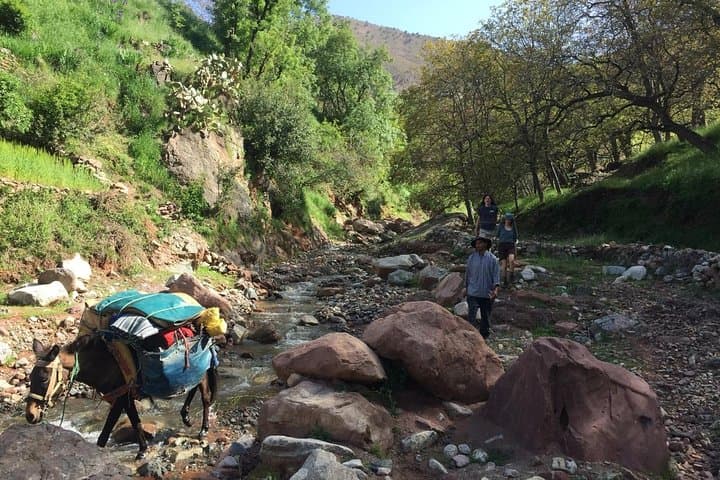
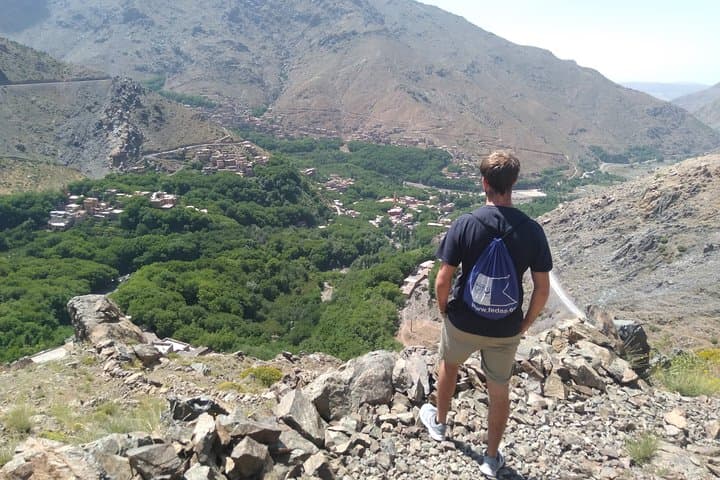
You start before dawn, leaving Marrakech’s ochre glow for a mountain road that climbs toward Imlil. Cold air bites as the village slips away and the trail takes you up a narrow valley. Mizane’s stream keeps time below; mules and their handlers move with steady purpose. By late afternoon the Toubkal Refuge appears—a squat stone outcrop at 3,207 m—where the wind reshapes clouds and the sky feels close enough to touch.
Verified experiences and guided adventures in the surrounding area.
Operated by Atlas Dream · Imlil, Marrakech-Safi
You start before dawn, leaving Marrakech’s ochre glow for a mountain road that climbs toward Imlil. Cold air bites as the village slips away and the trail takes you up a narrow valley. Mizane’s stream keeps time below; mules and their handlers move with steady purpose. By late afternoon the Toubkal Refuge appears—a squat stone outcrop at 3,207 m—where the wind reshapes clouds and the sky feels close enough to touch.
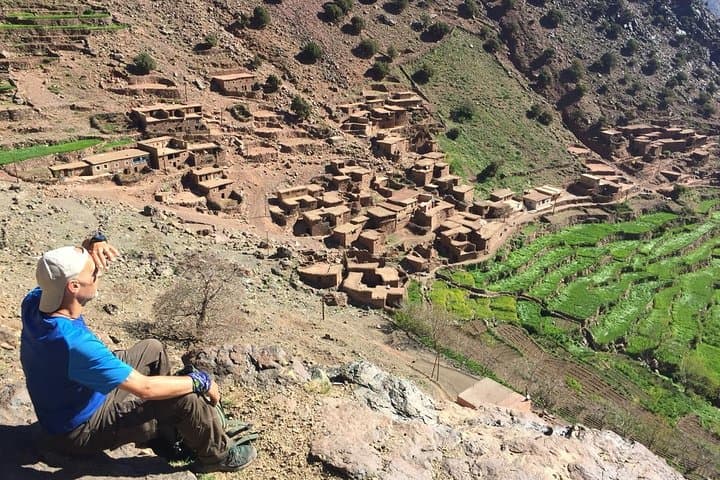
The High Atlas has been home to Amazigh (Berber) communities for centuries; trails link villages, shrines and seasonal pastures. Geologically the massif is granite and metamorphic rock pushed up by the Atlas orogeny, so expect steep, stony paths and loose scree near the summit. Sidi Chamarouch, a small shrine on the route, is a reminder of the area’s mix of local belief and pilgrimage tradition.
Practical guidance: Day 1 is about 5 hours of steady climb from Imlil (1,740 m) to the refuge (≈1,467 m gain; roughly 8 km). Day 2 starts very early—3–4 hours from the refuge to Jebel Toubkal (4,167 m; ≈960 m gain), then a long descent back to Imlil for a total walking day near 10 hours. Trails range from packed dirt to rocky switchbacks and loose scree near the summit; trekking poles and firm boots are important.
Acclimatize if you can, hydrate deliberately, and plan for sudden weather shifts—sun can be fierce by midday and temperatures drop fast at high elevation. Guides and mules carry gear and meals; bring layered insulation, sun protection, and a small first-aid kit. Finish the day with tea and a well-earned view that stretches across Morocco’s ridgelines.
challenging.
2 days.
Good aerobic fitness with experience on sustained uphill hikes; comfortable with long days and steep terrain
It’s challenging: two long days with significant elevation gain (≈1,467 m day 1; ≈960 m day 2). Moderate to high fitness and prior multi-hour hiking experience are recommended.
No technical gear is required in summer routes; crampons or ice axe may be necessary in winter or early spring conditions—your guide will advise.
Yes—ascents reach over 4,100 m. Hydrate, eat, move at a steady pace, and report symptoms to your guide immediately.
Overnight is at Toubkal Refuge (basic dormitory-style sleeping); meals are provided and mules carry baggage as part of the trip.
The High Atlas has long been inhabited by Amazigh (Berber) communities; mule tracks and mountain huts developed to support seasonal pastoralism and early visitors.
Trails are vulnerable to erosion and litter; use established paths, pack out trash, and support local guides who practice sustainable trail use and mule management.
Atlas Dream operates guided outdoor trips and adventures with an emphasis on safety, stewardship, and memorable experiences.
You start before dawn, leaving Marrakech’s ochre glow for a mountain road that climbs toward Imlil. Cold air bites as the village slips away and the trail takes you up a narrow valley. Mizane’s stream keeps time below; mules and their handlers move with steady purpose. By late afternoon the Toubkal Refuge appears—a squat stone outcrop at 3,207 m—where the wind reshapes clouds and the sky feels close enough to touch.
You start before dawn, leaving Marrakech’s ochre glow for a mountain road that climbs toward Imlil. Cold air bites as the village slips away and the trail takes you up a narrow valley. Mizane’s stream keeps time below; mules and their handlers move with steady purpose. By late afternoon the Toubkal Refuge appears—a squat stone outcrop at 3,207 m—where the wind reshapes clouds and the sky feels close enough to touch.
The High Atlas has been home to Amazigh (Berber) communities for centuries; trails link villages, shrines and seasonal pastures. Geologically the massif is granite and metamorphic rock pushed up by the Atlas orogeny, so expect steep, stony paths and loose scree near the summit. Sidi Chamarouch, a small shrine on the route, is a reminder of the area’s mix of local belief and pilgrimage tradition.
Practical guidance: Day 1 is about 5 hours of steady climb from Imlil (1,740 m) to the refuge (≈1,467 m gain; roughly 8 km). Day 2 starts very early—3–4 hours from the refuge to Jebel Toubkal (4,167 m; ≈960 m gain), then a long descent back to Imlil for a total walking day near 10 hours. Trails range from packed dirt to rocky switchbacks and loose scree near the summit; trekking poles and firm boots are important.
Acclimatize if you can, hydrate deliberately, and plan for sudden weather shifts—sun can be fierce by midday and temperatures drop fast at high elevation. Guides and mules carry gear and meals; bring layered insulation, sun protection, and a small first-aid kit. Finish the day with tea and a well-earned view that stretches across Morocco’s ridgelines.