THE ADVENTURE COLLECTIVE® · Independent discovery and booking for outdoor travel

Summit Mount Toubkal in two days from Marrakech: a high-altitude trek that blends scree slopes, Berber villages, and a night at the Toubkal Refuge. Expect steep climbs, big views, and altitude-driven challenge.
Summit Mount Toubkal in two days from Marrakech: a high-altitude trek that blends scree slopes, Berber villages, and a night at the Toubkal Refuge. Expect steep climbs, big views, and altitude-driven challenge.
Dawn in the High Atlas arrives cold and precise: a line of headlamps threads up the valley, mules nudge the rhythm of packs, and wind scours the ridgelines as you climb toward the summit dome.
Verified experiences and guided adventures in the surrounding area.
Operated by Morocco Mountain Guides · Imlil, Marrakech-Safi
Dawn in the High Atlas arrives cold and precise: a line of headlamps threads up the valley, mules nudge the rhythm of packs, and wind scours the ridgelines as you climb toward the summit dome.
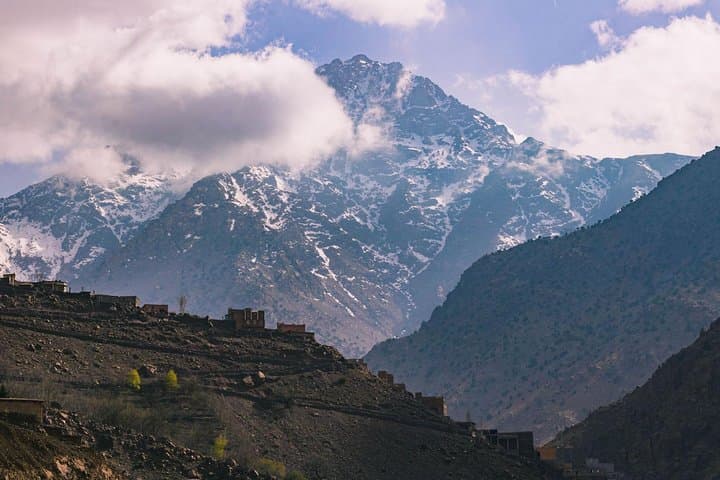
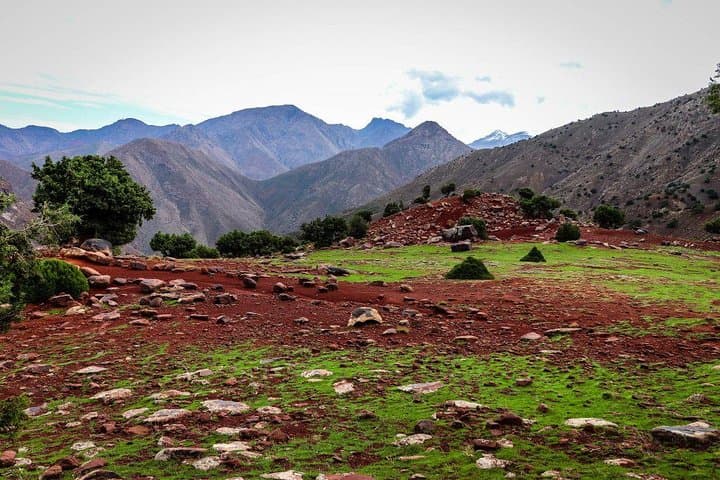
This two-day, one-night trek takes you from Marrakech’s red city across the Mizane Valley to the Toubkal Refuge (3,207 m) and onward to Jebel Toubkal (4,167 m), the highest point in North Africa. Geologically the massif is folded volcanic and metamorphic rock—steep corries, loose scree and hard-packed snow above the refuge in winter and spring—offering broad panoramic views to the Anti-Atlas and, on clear days, a hint of the Sahara.
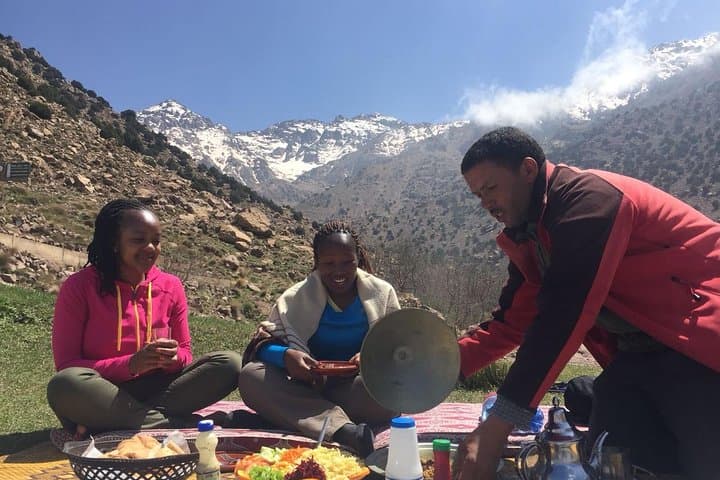
The route crosses small Berber villages such as Aremd and the pilgrimage shrine of Sidi Chamharouch; local muleteers and Berber guides maintain the mountain huts and trail networks that have supported transhumance and pilgrimage for generations. Culture here is practical and welcoming: tea on arrival, shared dormitories at the refuge, and cooks who prepare tagine and simple high-energy meals.
Practical guidance: expect steep, sustained hiking with sections of scree and easy scrambling; altitude is the primary challenge—pace conservatively and hydrate. In winter, crampons and an ice axe are standard; in summer, strong sun protection and steady water carry are essential. Start early on summit day to avoid afternoon wind. Footwear with firm ankle support and a packed warm layer for the refuge night will make the difference. Guides arrange pickup from Marrakech and handle logistics—bring cash for tips and small village purchases.
challenging.
2 days.
Suited to fit hikers comfortable with long uphill days and altitude; good cardiovascular fitness required
The route is non-technical but physically demanding due to elevation gain (about 1,000–1,200 m per day) and loose scree; good fitness and slow pacing are essential.
No technical climbing skills are required for summer; in winter basic experience with crampons and an ice axe is recommended or provided under guide instruction.
Late spring through early autumn offers snow-free trails and milder nights; winter can be rewarding but requires winter gear and experience.
Overnight in the Toubkal Refuge dormitories (shared facilities) with meals provided by guides and cooks.
The High Atlas has long been home to Amazigh (Berber) shepherding communities; muleteers and mountain huts evolved to support seasonal travel and pilgrimage routes up Toubkal.
Trails and alpine vegetation are fragile—stick to marked routes, pack out waste, and use local guides to support sustainable mountain economies.
Morocco Mountain Guides operates guided outdoor trips and adventures with an emphasis on safety, stewardship, and memorable experiences.
Dawn in the High Atlas arrives cold and precise: a line of headlamps threads up the valley, mules nudge the rhythm of packs, and wind scours the ridgelines as you climb toward the summit dome.
Dawn in the High Atlas arrives cold and precise: a line of headlamps threads up the valley, mules nudge the rhythm of packs, and wind scours the ridgelines as you climb toward the summit dome.
This two-day, one-night trek takes you from Marrakech’s red city across the Mizane Valley to the Toubkal Refuge (3,207 m) and onward to Jebel Toubkal (4,167 m), the highest point in North Africa. Geologically the massif is folded volcanic and metamorphic rock—steep corries, loose scree and hard-packed snow above the refuge in winter and spring—offering broad panoramic views to the Anti-Atlas and, on clear days, a hint of the Sahara.
The route crosses small Berber villages such as Aremd and the pilgrimage shrine of Sidi Chamharouch; local muleteers and Berber guides maintain the mountain huts and trail networks that have supported transhumance and pilgrimage for generations. Culture here is practical and welcoming: tea on arrival, shared dormitories at the refuge, and cooks who prepare tagine and simple high-energy meals.
Practical guidance: expect steep, sustained hiking with sections of scree and easy scrambling; altitude is the primary challenge—pace conservatively and hydrate. In winter, crampons and an ice axe are standard; in summer, strong sun protection and steady water carry are essential. Start early on summit day to avoid afternoon wind. Footwear with firm ankle support and a packed warm layer for the refuge night will make the difference. Guides arrange pickup from Marrakech and handle logistics—bring cash for tips and small village purchases.