THE ADVENTURE COLLECTIVE® · Independent discovery and booking for outdoor travel

Push from Imlil to the roof of North Africa in two compact days. This guided ascent of Jebel Toubkal combines steep high-altitude hiking, a night in the mountain refuge, and panoramic views toward the Sahara.
Push from Imlil to the roof of North Africa in two compact days. This guided ascent of Jebel Toubkal combines steep high-altitude hiking, a night in the mountain refuge, and panoramic views toward the Sahara.
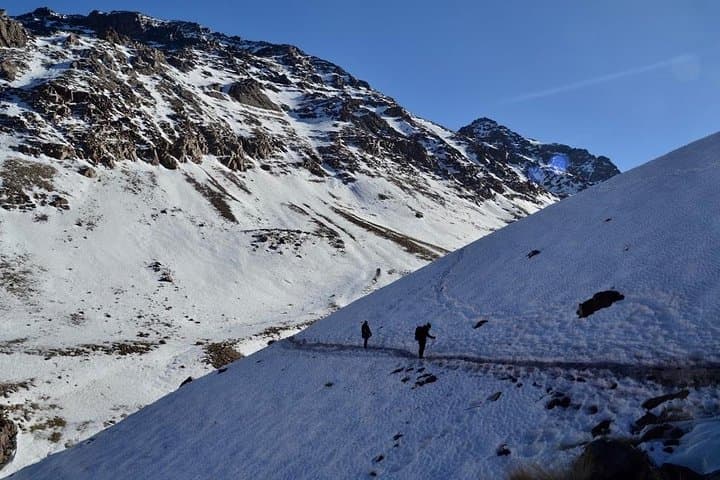
Dawn on the High Atlas feels like a slow page turn: cold air bites, headlamps pick out the mule track and the ridge begins to reveal itself as you gain height. On this two-day ascent you move from the cultivated terraces around Imlil (1,740 m) into the harsh, wind-sculpted zones above the Toubkal refuge (3,200 m), then push for the summit at 4,167 m as the sun pries the shadows from the valleys.
Verified experiences and guided adventures in the surrounding area.
Operated by Biking in Morocco day tours · Imlil, Marrakech-Safi
Dawn on the High Atlas feels like a slow page turn: cold air bites, headlamps pick out the mule track and the ridge begins to reveal itself as you gain height. On this two-day ascent you move from the cultivated terraces around Imlil (1,740 m) into the harsh, wind-sculpted zones above the Toubkal refuge (3,200 m), then push for the summit at 4,167 m as the sun pries the shadows from the valleys.
The massif is part of the Atlas orogeny — folded, uplifted rock with pockets of volcanic lava near Lac d'Ifni — and has long been home to Amazigh (Berber) communities who maintain seasonal pastures and stone villages. The route follows mule tracks and ancient footpaths, passes the shrine of Sidi Chamhrouch, and offers views that fall away toward the Sahara on clear days. The refuge system reflects a European-style mountain-hut tradition adapted to local logistics: a cook, simple dorms and hot meals between long walking stages.
Practically, expect mixed terrain: packed dirt, loose scree, and short rocky scrambles; day one is ~9 km with ~1,400–1,600 m elevation gain to the refuge (5–6 hours), day two is a steep ~1,000 m ascent to the summit and a long descent (plan 9–10 hours total). Altitude is the main challenge — acclimatize if possible, hydrate, and move deliberately. Guides and mule support simplify logistics, but solid boots, layered insulation, a headlamp for pre-dawn climbs, and respect for mountain weather make the difference between a memorable summit and a difficult retreat.
challenging.
2 days (Day 1: 5–6 hours; Day 2: 9–10 hours walking).
Good aerobic fitness—comfortable with long uphill days, high heart rate and descending technical terrain
No technical climbing is required, but experience on long, steep hikes and comfort with scrambling and exposure is important.
You’ll reach over 4,100 m; acclimatization, slow pacing, hydration and reporting symptoms to your guide are essential—altitude sickness is the primary risk.
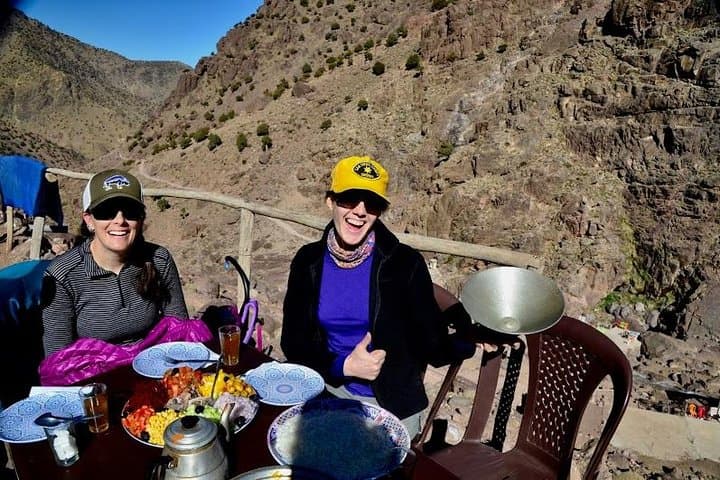
One night is spent at the Toubkal refuge (simple dorms), with meals provided by the team; overnight in Marrakech is included for pickup/drop-off service.
Spring through fall are most common; winter offers snow and requires winter mountaineering gear and experience.
The High Atlas has been inhabited by Amazigh (Berber) communities for centuries; mule tracks and stone villages reflect traditional transhumance and mountain agriculture.
Stick to established trails and the refuge’s waste rules; fragile alpine plants and scarce water make Leave No Trace practices critical.
Biking in Morocco day tours operates guided outdoor trips and adventures with an emphasis on safety, stewardship, and memorable experiences.

Dawn on the High Atlas feels like a slow page turn: cold air bites, headlamps pick out the mule track and the ridge begins to reveal itself as you gain height. On this two-day ascent you move from the cultivated terraces around Imlil (1,740 m) into the harsh, wind-sculpted zones above the Toubkal refuge (3,200 m), then push for the summit at 4,167 m as the sun pries the shadows from the valleys.
Dawn on the High Atlas feels like a slow page turn: cold air bites, headlamps pick out the mule track and the ridge begins to reveal itself as you gain height. On this two-day ascent you move from the cultivated terraces around Imlil (1,740 m) into the harsh, wind-sculpted zones above the Toubkal refuge (3,200 m), then push for the summit at 4,167 m as the sun pries the shadows from the valleys.
The massif is part of the Atlas orogeny — folded, uplifted rock with pockets of volcanic lava near Lac d'Ifni — and has long been home to Amazigh (Berber) communities who maintain seasonal pastures and stone villages. The route follows mule tracks and ancient footpaths, passes the shrine of Sidi Chamhrouch, and offers views that fall away toward the Sahara on clear days. The refuge system reflects a European-style mountain-hut tradition adapted to local logistics: a cook, simple dorms and hot meals between long walking stages.
Practically, expect mixed terrain: packed dirt, loose scree, and short rocky scrambles; day one is ~9 km with ~1,400–1,600 m elevation gain to the refuge (5–6 hours), day two is a steep ~1,000 m ascent to the summit and a long descent (plan 9–10 hours total). Altitude is the main challenge — acclimatize if possible, hydrate, and move deliberately. Guides and mule support simplify logistics, but solid boots, layered insulation, a headlamp for pre-dawn climbs, and respect for mountain weather make the difference between a memorable summit and a difficult retreat.