THE ADVENTURE COLLECTIVE® · Independent discovery and booking for outdoor travel

Climb to North Africa’s highest point on a compact two-day trek from Marrakech. Move through Berber valleys, sleep at a high base camp, and summit Jebel Toubkal (4,167 m) on a guided, non-technical ascent.
Climb to North Africa’s highest point on a compact two-day trek from Marrakech. Move through Berber valleys, sleep at a high base camp, and summit Jebel Toubkal (4,167 m) on a guided, non-technical ascent.
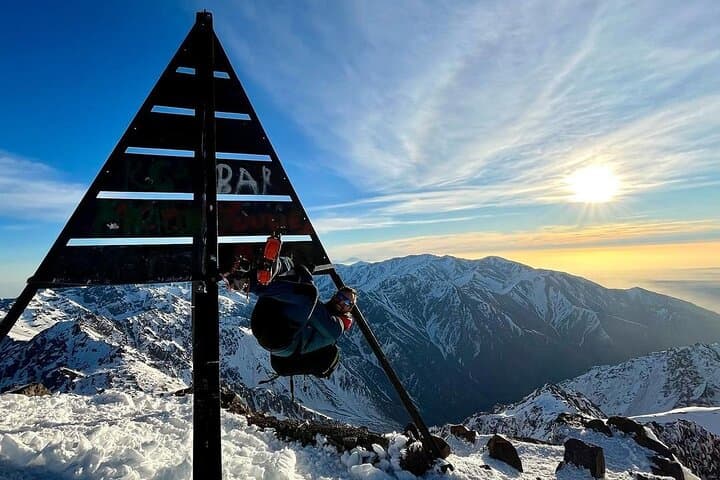
A cold, clear pre-dawn on the high Atlas feels immediate: headlamps pick out a line of walkers, the valley breathing behind them, and the summit of Jebel Toubkal—North Africa’s roof—growing pale on the horizon.
Verified experiences and guided adventures in the surrounding area.
Operated by Morocco Luxe Tours · Imlil, Marrakesh-Safi
A cold, clear pre-dawn on the high Atlas feels immediate: headlamps pick out a line of walkers, the valley breathing behind them, and the summit of Jebel Toubkal—North Africa’s roof—growing pale on the horizon.
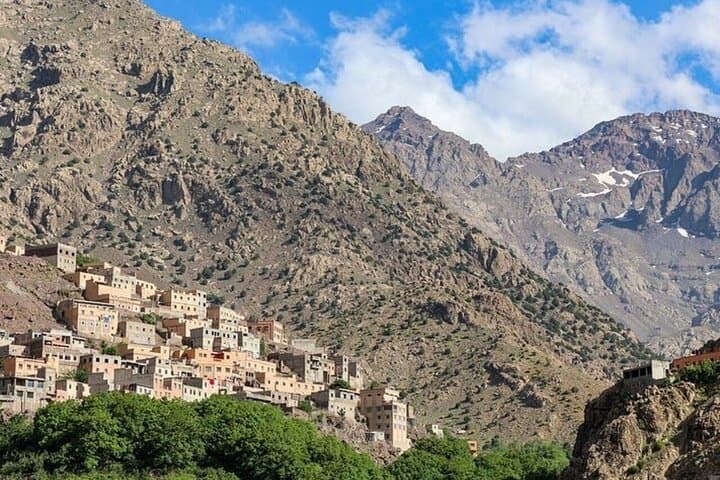
The route rises from Imlil through terraced Berber villages, moving from cultivated valley floor to scree and alpine meadows. Geologically Toubkal is part of the Atlas chain, composed of ancient metamorphic rock carved by glacial action; the mountain’s ridgelines offer wide views over Marrakech and, on clear days, the Saharan edge. The region’s culture is predominantly Amazigh (Berber): small stone houses, mule tracks, and seasonal shepherding remain integral to daily life here.
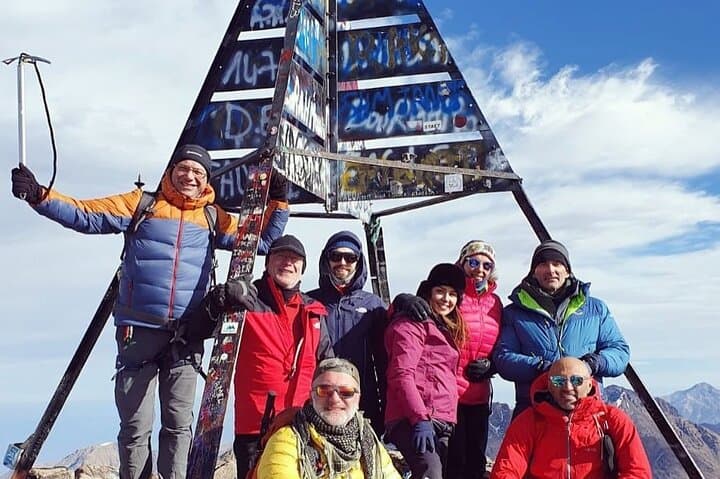
This two-day itinerary typically includes a 1.5‑hour transfer from Marrakech to Imlil, a 3–4 hour hike to base camp at ~3,207 m on day one, then a summit push to 4,167 m on day two. From base camp the summit gain is roughly 960 m; expect rocky trails, loose scree sections and steep switchbacks. In summer the route is dry and exposed; in spring and winter, snowfields and frozen ground require caution.
Practical guidance: hydrate well before starting, carry 2–3 L of water, and plan early starts to avoid afternoon storms and heat. Good ankle-support boots, layered clothing, and trekking poles make the ascent more efficient. Hiring local guides supports the mountain economy and local trail maintenance—essential in an environment sensitive to erosion and changing weather.
Taken confidently, the Toubkal ascent is non-technical but demanding: it rewards steady pacing, respect for altitude, and an openness to the living culture of the Berber valleys.
challenging.
2 days.
Good aerobic fitness with experience on sustained uphill hikes; ability to carry a daypack and walk 6–9 hours is recommended
No—standard versions of this route are non-technical; however in winter ice and snow can require crampons and ice axe and additional experience.
From base camp (~3,207 m) to the summit (~4,167 m) the ascent is roughly 960 m and typically takes 4–6 hours depending on fitness and conditions.
Yes—ascending quickly can increase risk of altitude symptoms; this itinerary mitigates risk by sleeping at a high base camp but monitor symptoms and descend if needed.
Most departures begin in Marrakech (Jemaa el‑Fna area) with transfers to Imlil; the trip returns to Marrakech on day two after the descent.
The high Atlas is home to Amazigh (Berber) communities whose seasonal agriculture and mule routes have shaped the valley economy for centuries.
The area faces trail erosion and seasonal pressure from tourism; using local guides, packing out waste, and staying on established trails helps protect fragile alpine soils.
Morocco Luxe Tours operates guided outdoor trips and adventures with an emphasis on safety, stewardship, and memorable experiences.
A cold, clear pre-dawn on the high Atlas feels immediate: headlamps pick out a line of walkers, the valley breathing behind them, and the summit of Jebel Toubkal—North Africa’s roof—growing pale on the horizon.
A cold, clear pre-dawn on the high Atlas feels immediate: headlamps pick out a line of walkers, the valley breathing behind them, and the summit of Jebel Toubkal—North Africa’s roof—growing pale on the horizon.
The route rises from Imlil through terraced Berber villages, moving from cultivated valley floor to scree and alpine meadows. Geologically Toubkal is part of the Atlas chain, composed of ancient metamorphic rock carved by glacial action; the mountain’s ridgelines offer wide views over Marrakech and, on clear days, the Saharan edge. The region’s culture is predominantly Amazigh (Berber): small stone houses, mule tracks, and seasonal shepherding remain integral to daily life here.
This two-day itinerary typically includes a 1.5‑hour transfer from Marrakech to Imlil, a 3–4 hour hike to base camp at ~3,207 m on day one, then a summit push to 4,167 m on day two. From base camp the summit gain is roughly 960 m; expect rocky trails, loose scree sections and steep switchbacks. In summer the route is dry and exposed; in spring and winter, snowfields and frozen ground require caution.
Practical guidance: hydrate well before starting, carry 2–3 L of water, and plan early starts to avoid afternoon storms and heat. Good ankle-support boots, layered clothing, and trekking poles make the ascent more efficient. Hiring local guides supports the mountain economy and local trail maintenance—essential in an environment sensitive to erosion and changing weather.
Taken confidently, the Toubkal ascent is non-technical but demanding: it rewards steady pacing, respect for altitude, and an openness to the living culture of the Berber valleys.