THE ADVENTURE COLLECTIVE® · Independent discovery and booking for outdoor travel

A compact 48-hour journey into the Gheralta massif to visit Abuna Yemata Guh, Maryam Korkor and Daniel Korkor. Expect steep ascents, narrow ledges with dramatic drops, and deep historical context tied to Aksumite and Tigrayan heritage.
A compact 48-hour journey into the Gheralta massif to visit Abuna Yemata Guh, Maryam Korkor and Daniel Korkor. Expect steep ascents, narrow ledges with dramatic drops, and deep historical context tied to Aksumite and Tigrayan heritage.
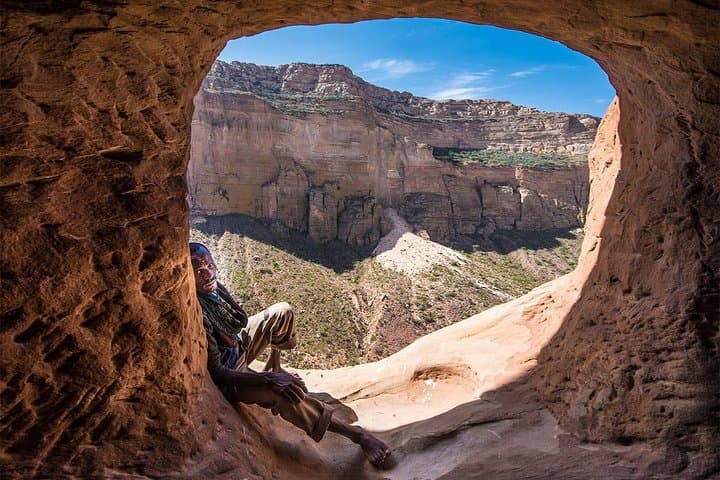
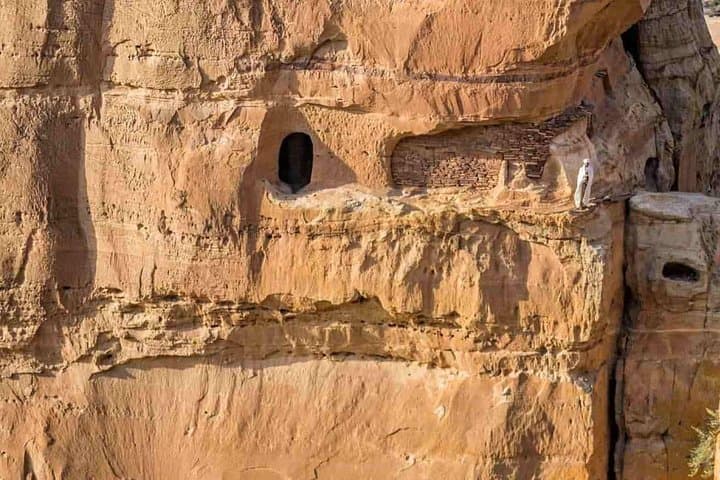
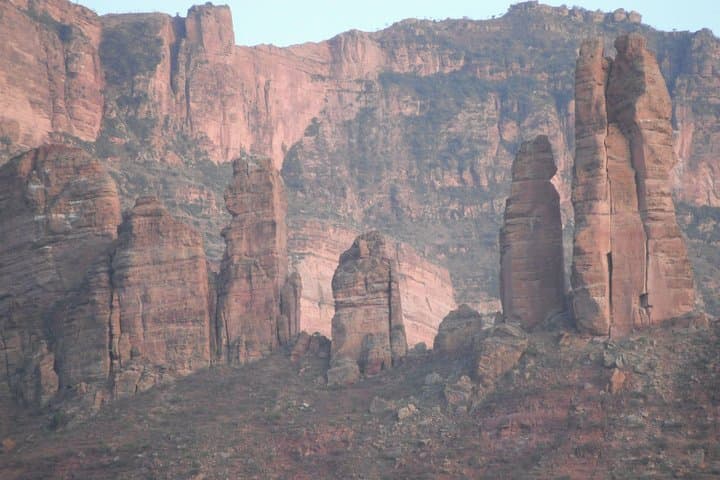
Dawn light strips the sandstone spires of the Gheralta massif into bands of ochre and gold. You step from an air-conditioned vehicle onto a dusty track, the wind already pulling dust from the plain while the massif keeps its shade. Over two days the route threads cliff-side churches hewn into the rock—Abuna Yemata Guh’s narrow ledges, Maryam Korkor’s pillar-supported nave, and the smaller Daniel Korkor—each reached by walking, scrambling, and occasionally ascending hand-carved footholds.
Verified experiences and guided adventures in the surrounding area.
Operated by Danakil Tour and Travel · Mekelle, Tigray
Dawn light strips the sandstone spires of the Gheralta massif into bands of ochre and gold. You step from an air-conditioned vehicle onto a dusty track, the wind already pulling dust from the plain while the massif keeps its shade. Over two days the route threads cliff-side churches hewn into the rock—Abuna Yemata Guh’s narrow ledges, Maryam Korkor’s pillar-supported nave, and the smaller Daniel Korkor—each reached by walking, scrambling, and occasionally ascending hand-carved footholds.
These cliff churches reflect centuries of Ethiopian Orthodox practice; many date to medieval and pre-medieval eras and hold murals, illuminated gospels and vestiges of Aksumite influence. The wider route touches Tigray history—Adwa’s hills where Menelik II repelled Italian forces, Yeha’s pre-Aksumite temple, and the remote Abba Garima monastery with its ancient gospels. Geologically the area is sandstone and basalt; carved ledges and sheer drops are products of erosion and tectonic uplift, creating natural platforms that became sacred sites.
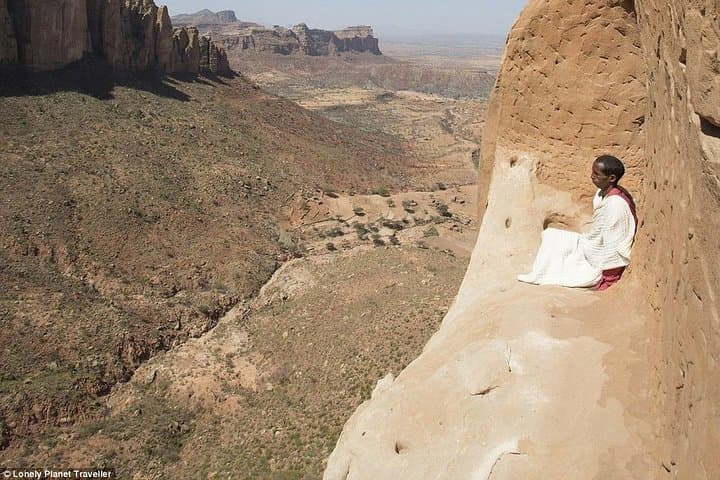
Practically: the tour runs about 48 hours with hotel pickup in Mekelle, travel by air-conditioned vehicle, local guides, and breakfast included. Expect steep hour-long ascents, narrow exposed ledges (some with 200m drops), and sections that require steady scrambling using carved handholds. Women should note Debre Damo has restricted access.
Bring solid footwear, at least 2–3 liters of water, sun protection, and a steady head for exposure. Move deliberately on ledges, follow guide instructions, and treat frescoes and icons with care—no flash photography and no touching. The trip balances raw, vertical landscape with deep cultural layers, rewarding patience and a respect for both rock and ritual.
challenging.
2 days (≈48 hours).
Good aerobic fitness and comfort with sustained uphill walking, scrambling, and exposure are required.
The approach involves about an hour of steep walking and sections of exposed scrambling using rock-cut footholds; it’s challenging and not recommended for those with fear of heights or limited mobility.
Most rock churches are open to all visitors, but Debre Damo monastery traditionally restricts access to men; your guide can advise alternative nearby sites for women.
The trip typically includes hotel/airport pickup, air-conditioned vehicle transport, professional local guide, accommodations (bed & breakfast) and applicable fees; check your booking confirmation for specifics.
Photography is often allowed but many churches prohibit flash to protect ancient pigments; always ask the guide and avoid touching frescoes or icons.
The region links to Aksumite and pre-Aksumite heritage; nearby Adwa is famed for Menelik II’s 1896 victory that kept Ethiopia independent from colonial rule.
These churches and murals are fragile—minimize contact, avoid flash photography, and use local guides who follow conservation-minded access practices.
Danakil Tour and Travel operates guided outdoor trips and adventures with an emphasis on safety, stewardship, and memorable experiences.
Dawn light strips the sandstone spires of the Gheralta massif into bands of ochre and gold. You step from an air-conditioned vehicle onto a dusty track, the wind already pulling dust from the plain while the massif keeps its shade. Over two days the route threads cliff-side churches hewn into the rock—Abuna Yemata Guh’s narrow ledges, Maryam Korkor’s pillar-supported nave, and the smaller Daniel Korkor—each reached by walking, scrambling, and occasionally ascending hand-carved footholds.
Dawn light strips the sandstone spires of the Gheralta massif into bands of ochre and gold. You step from an air-conditioned vehicle onto a dusty track, the wind already pulling dust from the plain while the massif keeps its shade. Over two days the route threads cliff-side churches hewn into the rock—Abuna Yemata Guh’s narrow ledges, Maryam Korkor’s pillar-supported nave, and the smaller Daniel Korkor—each reached by walking, scrambling, and occasionally ascending hand-carved footholds.
These cliff churches reflect centuries of Ethiopian Orthodox practice; many date to medieval and pre-medieval eras and hold murals, illuminated gospels and vestiges of Aksumite influence. The wider route touches Tigray history—Adwa’s hills where Menelik II repelled Italian forces, Yeha’s pre-Aksumite temple, and the remote Abba Garima monastery with its ancient gospels. Geologically the area is sandstone and basalt; carved ledges and sheer drops are products of erosion and tectonic uplift, creating natural platforms that became sacred sites.
Practically: the tour runs about 48 hours with hotel pickup in Mekelle, travel by air-conditioned vehicle, local guides, and breakfast included. Expect steep hour-long ascents, narrow exposed ledges (some with 200m drops), and sections that require steady scrambling using carved handholds. Women should note Debre Damo has restricted access.
Bring solid footwear, at least 2–3 liters of water, sun protection, and a steady head for exposure. Move deliberately on ledges, follow guide instructions, and treat frescoes and icons with care—no flash photography and no touching. The trip balances raw, vertical landscape with deep cultural layers, rewarding patience and a respect for both rock and ritual.