THE ADVENTURE COLLECTIVE® · Independent discovery and booking for outdoor travel

Cliff-top churches carved into the Gheralta massif reward two days of driving, scrambling and history. Visit Abuna Yemata Guh, Maryam Korkor and nearby Aksumite sites with local guides who manage logistics and contextualize centuries of Ethiopian Christian art.
Cliff-top churches carved into the Gheralta massif reward two days of driving, scrambling and history. Visit Abuna Yemata Guh, Maryam Korkor and nearby Aksumite sites with local guides who manage logistics and contextualize centuries of Ethiopian Christian art.
A low-slung minivan threads between flat farms and rust-red escarpments until the road narrows and the Gheralta massif rises like a stacked wall of sandstone. Wind scrapes the cliffs; dust and incense mix at village market stalls. On day one the group moves through Adwa and Adigrat — towns keyed to Ethiopia’s long history — before arriving in Hawzien where a simple hotel and a briefing await.
Verified experiences and guided adventures in the surrounding area.
Operated by Ethio Travel And Tours · Mekelle, Tigray
A low-slung minivan threads between flat farms and rust-red escarpments until the road narrows and the Gheralta massif rises like a stacked wall of sandstone. Wind scrapes the cliffs; dust and incense mix at village market stalls. On day one the group moves through Adwa and Adigrat — towns keyed to Ethiopia’s long history — before arriving in Hawzien where a simple hotel and a briefing await.
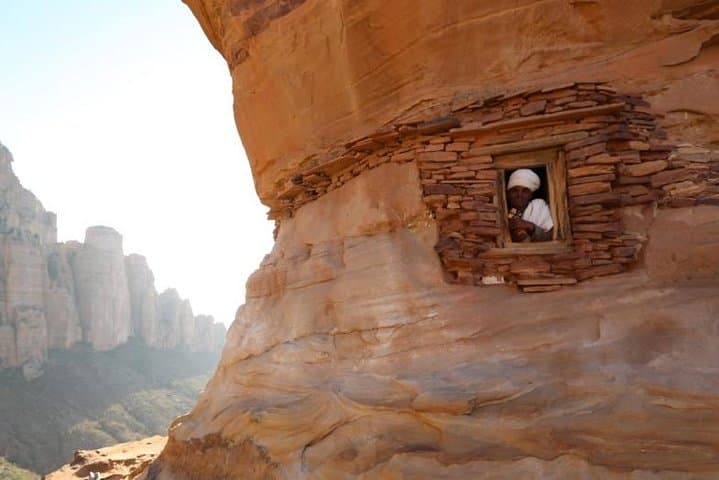
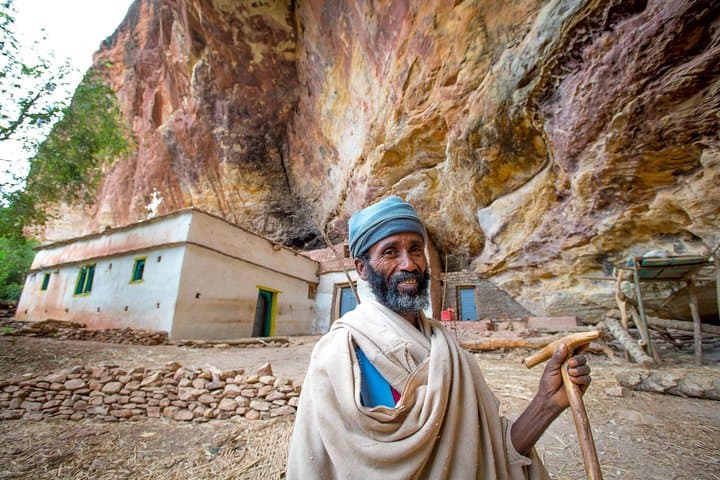
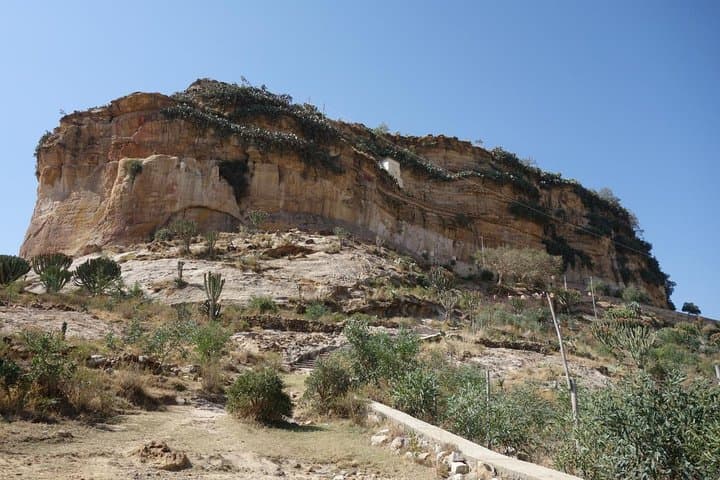
The second day is the heart of the trip: Abuna Yemata Guh, Maryam Korkor and Daniel Korkor. These are not museum pieces on flat ground but active rock-hewn sanctuaries carved into cliffs over centuries. Yeha’s pre-Aksumite temple and the Abba Garima monastery nearby add context — manuscripts and stonework that record ties to the Aksumite era and the ninth-century saints who shaped Tigray’s Christian tradition. Geologically, the sandstone here is soft enough to carve yet firm enough to hold narrow ledges and tall interiors; over millennia wind and water have sharpened gullies and created the dramatic exposures visitors now step along.
Practical notes: expect steep, exposed scrambling using hand- and footholds cut into the rock; guides provide context and manage logistics. Dress modestly for active worship sites, carry 2–3 liters of water, and wear grippy boots. Some monasteries maintain gender or access restrictions (Debre Damo is rope-access only). Timing matters — mornings are cooler for the climbs and light reveals frescoes best.
This two-day loop balances cultural depth with sustained, exposed hiking: it rewards travelers who come prepared to move steadily, respect local customs, and leave no trace.
challenging.
2 days.
Participants should have good aerobic fitness and comfort with sustained scrambling and exposure for up to several hours on day two.
The approach includes a steep hour-long walk and exposed scrambling using hand- and footholds; it is challenging and not suited to those with a fear of heights or limited mobility.
The tour lists entrance fees and local licenses as included; confirm specifics at booking and carry ID for monastery requirements.
Debre Damo historically restricts female visitors due to traditional rules and requires rope ascent; other churches have fewer restrictions but modest dress is expected.
Dry months (October–March) offer cooler mornings and clearer skies; summer can be hot and dusty, though early starts mitigate heat.
The Gheralta churches sit within a landscape shaped by Aksumite and pre-Aksumite history; Yeha’s temple predates Aksum, and monasteries preserve illuminated gospels and traditions from the early Christian era.
The churches’ frescoes and sandstone are fragile—avoid touching painted surfaces, stick to established paths, and support local conservation by hiring authorized guides.
Ethio Travel And Tours operates guided outdoor trips and adventures with an emphasis on safety, stewardship, and memorable experiences.
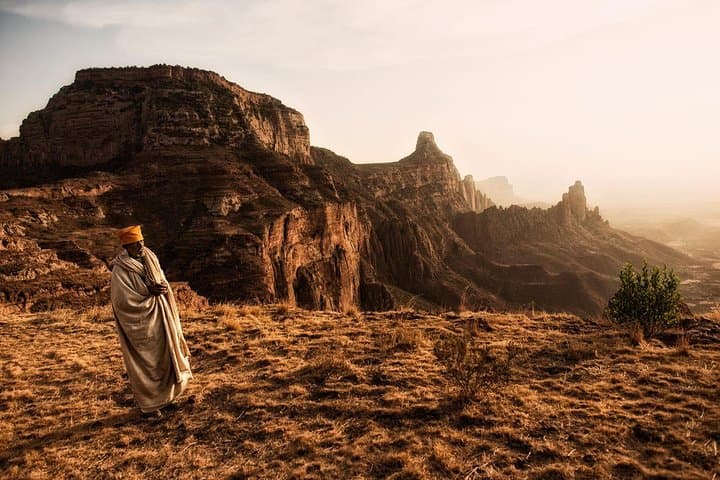
A low-slung minivan threads between flat farms and rust-red escarpments until the road narrows and the Gheralta massif rises like a stacked wall of sandstone. Wind scrapes the cliffs; dust and incense mix at village market stalls. On day one the group moves through Adwa and Adigrat — towns keyed to Ethiopia’s long history — before arriving in Hawzien where a simple hotel and a briefing await.
A low-slung minivan threads between flat farms and rust-red escarpments until the road narrows and the Gheralta massif rises like a stacked wall of sandstone. Wind scrapes the cliffs; dust and incense mix at village market stalls. On day one the group moves through Adwa and Adigrat — towns keyed to Ethiopia’s long history — before arriving in Hawzien where a simple hotel and a briefing await.
The second day is the heart of the trip: Abuna Yemata Guh, Maryam Korkor and Daniel Korkor. These are not museum pieces on flat ground but active rock-hewn sanctuaries carved into cliffs over centuries. Yeha’s pre-Aksumite temple and the Abba Garima monastery nearby add context — manuscripts and stonework that record ties to the Aksumite era and the ninth-century saints who shaped Tigray’s Christian tradition. Geologically, the sandstone here is soft enough to carve yet firm enough to hold narrow ledges and tall interiors; over millennia wind and water have sharpened gullies and created the dramatic exposures visitors now step along.
Practical notes: expect steep, exposed scrambling using hand- and footholds cut into the rock; guides provide context and manage logistics. Dress modestly for active worship sites, carry 2–3 liters of water, and wear grippy boots. Some monasteries maintain gender or access restrictions (Debre Damo is rope-access only). Timing matters — mornings are cooler for the climbs and light reveals frescoes best.
This two-day loop balances cultural depth with sustained, exposed hiking: it rewards travelers who come prepared to move steadily, respect local customs, and leave no trace.