THE ADVENTURE COLLECTIVE® · Independent discovery and booking for outdoor travel

A compact 2-day loop from Tirana that pairs the history-soaked Rozafa Castle and Shkodër’s pedestrian streets with a nocturne in Theth’s mountain valley. Expect short hikes, family-run guesthouse hospitality, and dramatic limestone scenery.
A compact 2-day loop from Tirana that pairs the history-soaked Rozafa Castle and Shkodër’s pedestrian streets with a nocturne in Theth’s mountain valley. Expect short hikes, family-run guesthouse hospitality, and dramatic limestone scenery.
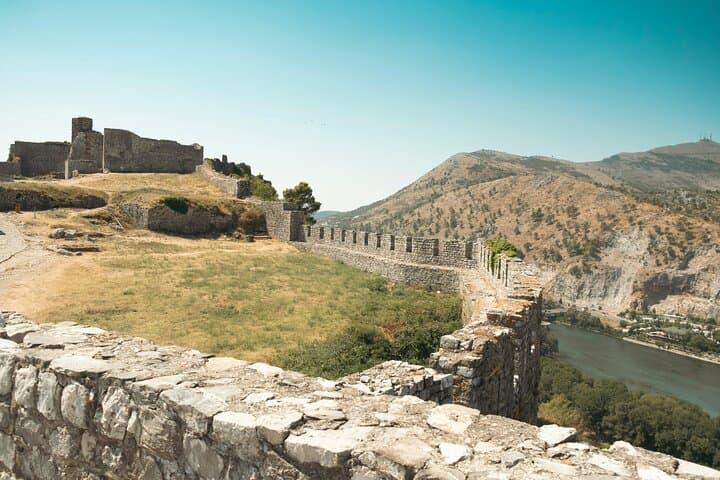
You leave Tirana before dawn and the city loosens its grip: the highway gives way to river valleys, then to a spine of limestone ridges that push the sky upward. By midmorning the stones of Rozafa Castle loom over Shkodër, wind in your face, the town’s three rivers converging as if arguing their way to the Adriatic. By afternoon the road narrows, hairpins tighten, and Theth drops into view—a pocket of meadows and slate roofs cradled by steep, rocky walls.
Verified experiences and guided adventures in the surrounding area.
Operated by Go as Local · Theth, Shkodër County
You leave Tirana before dawn and the city loosens its grip: the highway gives way to river valleys, then to a spine of limestone ridges that push the sky upward. By midmorning the stones of Rozafa Castle loom over Shkodër, wind in your face, the town’s three rivers converging as if arguing their way to the Adriatic. By afternoon the road narrows, hairpins tighten, and Theth drops into view—a pocket of meadows and slate roofs cradled by steep, rocky walls.
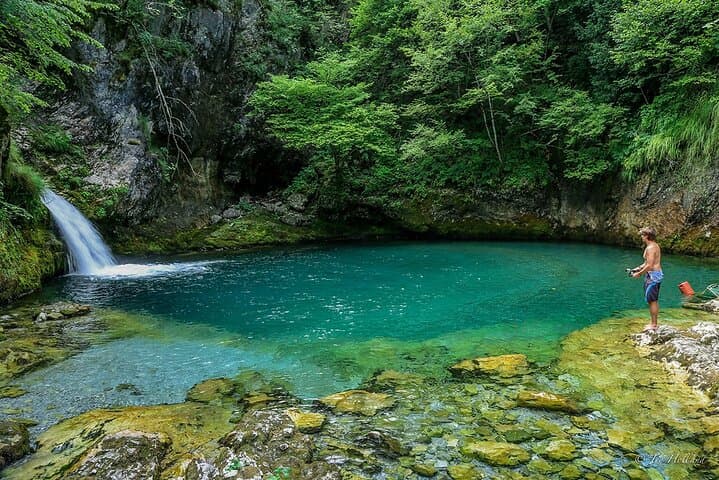
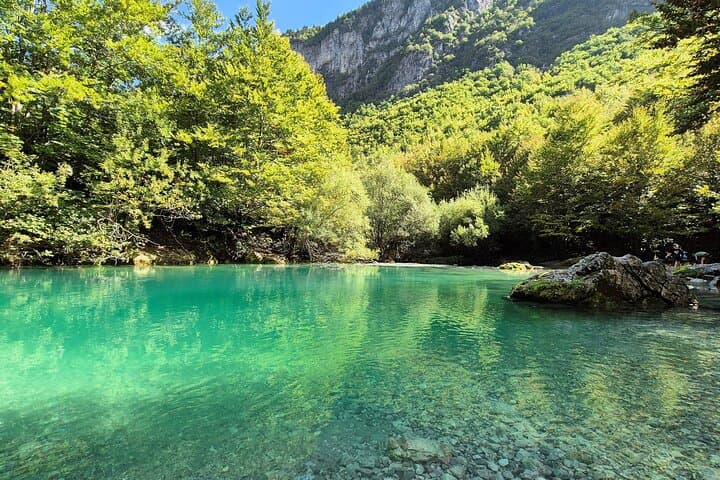
Rozafa’s walls hold layers of history from Illyrian tribes to Ottoman rule, and the Rozafa legend—of a woman immured to secure the fortress—still colors local storytelling. Geologically the northern Albanian Alps are composed of karst limestone carved by glaciation, producing sharp peaks, narrow valleys, and clear cascades like Gurna waterfall.
Culturally the trip balances urban Shkodër—its Pedonale promenade, mixed religious architecture and café life—with Theth’s rural rhythms: family-run guesthouses, simple meals, and the stone lock-in towers that once tried to settle blood feuds.
Practically: expect about 45 minutes’ walking to Gurna Waterfall from the village center and short guided walks through Shkodër. Roads to Theth can be steep and unpaved; drivers experienced with mountain roads handle the approach. Pack layered clothing, sturdy footwear, a daypack and water. Morning light is best for photos at Rozafa; late-spring through early-fall gives the most reliable access. The trip is low on technical challenge but high on weather and road variability—move deliberately, respect local customs, and allow time to absorb both the highland quiet and Shkodër’s lively streets.
moderate.
2 days.
Suitable for travelers in light-to-moderate fitness who can walk 1–3 hours on uneven, sometimes steep trails.
Hikes are short to moderate—most walking is village-to-waterfall and guided strolls in Shkodër; no technical climbing or long alpine routes are required.
Accommodation is in family-run guesthouses offering private or shared rooms with home-cooked meals and simple amenities.
Yes—tour operators rate it as accessible for varying fitness levels, but participants should be comfortable with winding mountain roads and brief uphill walks.
No special permits are needed for Rozafa or Theth hikes, but travel insurance covering mountain rescue and vehicle incidents is recommended.
Rozafa Castle has roots in Illyrian and Roman eras and is tied to an enduring local legend; Theth’s 18th–19th century stone towers reflect a past of family feuds and rugged self-governance.
Theth lies within a protected area of the Albanian Alps—stick to trails, avoid open fires, and support local guesthouses to keep tourism sustainable.
Go as Local operates guided outdoor trips and adventures with an emphasis on safety, stewardship, and memorable experiences.
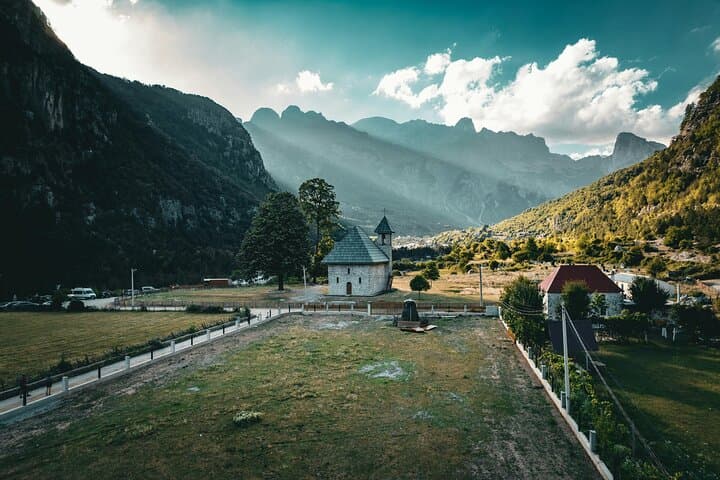
You leave Tirana before dawn and the city loosens its grip: the highway gives way to river valleys, then to a spine of limestone ridges that push the sky upward. By midmorning the stones of Rozafa Castle loom over Shkodër, wind in your face, the town’s three rivers converging as if arguing their way to the Adriatic. By afternoon the road narrows, hairpins tighten, and Theth drops into view—a pocket of meadows and slate roofs cradled by steep, rocky walls.
You leave Tirana before dawn and the city loosens its grip: the highway gives way to river valleys, then to a spine of limestone ridges that push the sky upward. By midmorning the stones of Rozafa Castle loom over Shkodër, wind in your face, the town’s three rivers converging as if arguing their way to the Adriatic. By afternoon the road narrows, hairpins tighten, and Theth drops into view—a pocket of meadows and slate roofs cradled by steep, rocky walls.
Rozafa’s walls hold layers of history from Illyrian tribes to Ottoman rule, and the Rozafa legend—of a woman immured to secure the fortress—still colors local storytelling. Geologically the northern Albanian Alps are composed of karst limestone carved by glaciation, producing sharp peaks, narrow valleys, and clear cascades like Gurna waterfall.
Culturally the trip balances urban Shkodër—its Pedonale promenade, mixed religious architecture and café life—with Theth’s rural rhythms: family-run guesthouses, simple meals, and the stone lock-in towers that once tried to settle blood feuds.
Practically: expect about 45 minutes’ walking to Gurna Waterfall from the village center and short guided walks through Shkodër. Roads to Theth can be steep and unpaved; drivers experienced with mountain roads handle the approach. Pack layered clothing, sturdy footwear, a daypack and water. Morning light is best for photos at Rozafa; late-spring through early-fall gives the most reliable access. The trip is low on technical challenge but high on weather and road variability—move deliberately, respect local customs, and allow time to absorb both the highland quiet and Shkodër’s lively streets.