THE ADVENTURE COLLECTIVE® · Independent discovery and booking for outdoor travel

A compact two-day safari that maximizes game time in Tarangire National Park: expect large elephant herds, iconic baobabs and excellent birdwatching with morning and afternoon game drives and an overnight lodge stay.
A compact two-day safari that maximizes game time in Tarangire National Park: expect large elephant herds, iconic baobabs and excellent birdwatching with morning and afternoon game drives and an overnight lodge stay.
The morning light in Tarangire arrives slow and patient: heat lifts from the grasslands while a low, meandering river dares you to come closer. On the first drive the land opens into wide plains punctuated by massive baobabs — trees that hold rain, shade and a long memory — and where elephants cross in deliberate columns.
Verified experiences and guided adventures in the surrounding area.
Operated by Kenya Bush Expeditions Tour and Travel · Arusha, Manyara Region
The morning light in Tarangire arrives slow and patient: heat lifts from the grasslands while a low, meandering river dares you to come closer. On the first drive the land opens into wide plains punctuated by massive baobabs — trees that hold rain, shade and a long memory — and where elephants cross in deliberate columns.
Tarangire National Park follows a geological rhythm set by its river valley and seasonal floodplain. The Tarangire River is the park’s lifeline, concentrating wildlife during the dry months and shaping the scattered acacia, scrub and baobab landscape. Human history here is braided with Maasai cattle routes and colonial-era conservation that led to formal park protections in the late 20th century.
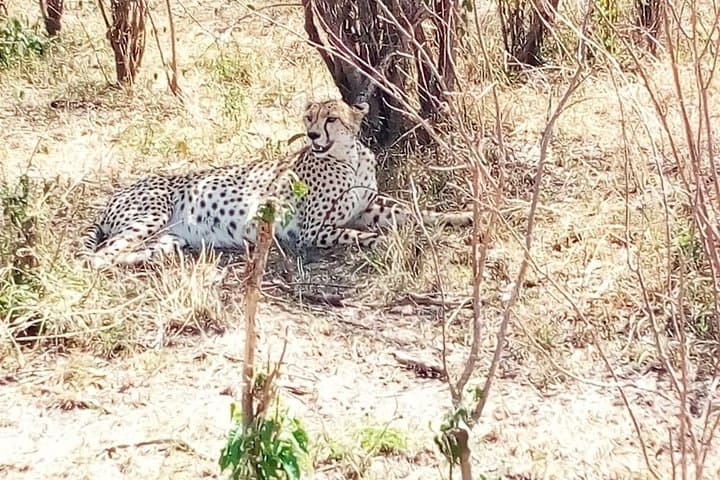
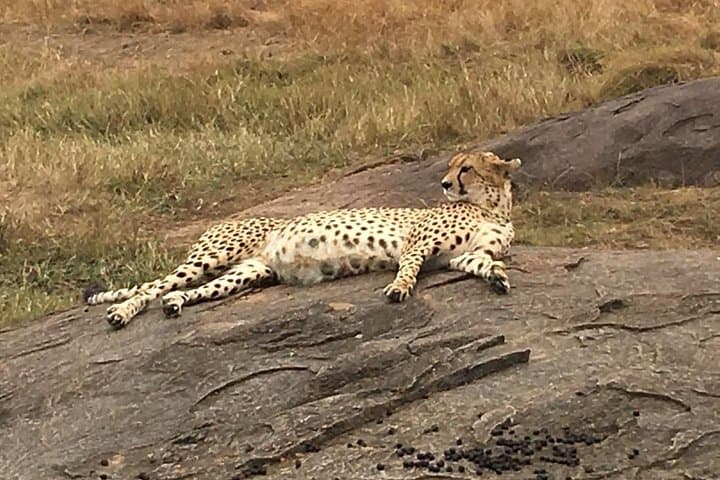
Culturally, villages fringe the park and Maasai shepherds still move cattle through the countryside; respectful distance and curiosity are the right responses. Birders will note more than 550 species, while mammal sightings range from large elephant herds to stealthy cats and playful banded mongoose.
Practically: the tour runs from Arusha with roughly 1–1.5 hours’ driving to the park in a 4x4 Land Cruiser. Expect morning and late-afternoon game drives, and an overnight at a lodge near park boundaries. Roads are dusty in dry season and muddy after rains; bring a dry-bag for cameras and layers for chilly dawns. Hydration, sun protection and a decent zoom lens or binoculars make the difference between a good day and a memorable one. Respect wildlife—stay in the vehicle unless guided otherwise—and plan transfers to align with your arrival or departure times at Kilimanjaro International Airport.
moderate.
2 days.
Light to moderate fitness; you should be comfortable with long vehicle days, short walks at game-viewing points, and getting in/out of a safari vehicle.
Park entrance fees are typically separate from the base tour price; confirm with the operator before booking to know what's covered.
The operator notes infants must sit on laps; children are generally welcome but parents should be prepared for long vehicle days and limited facilities.
Tarangire is in a malaria zone—consult a travel clinic for prophylaxis and ensure routine vaccinations are up to date; carry insect repellent for dusk drives.
Some lodges and 4x4 vehicles accommodate limited mobility, but accessibility varies—confirm wheelchair access and vehicle suitability with the operator when booking.
The park follows the Tarangire River valley and was formally protected in the latter 20th century to conserve the area’s characteristic dry-season wildlife concentrations.
Conservation here focuses on river catchment protection, anti-poaching patrols and community-based tourism programs that balance local livelihoods with wildlife corridors.
Kenya Bush Expeditions Tour and Travel operates guided outdoor trips and adventures with an emphasis on safety, stewardship, and memorable experiences.
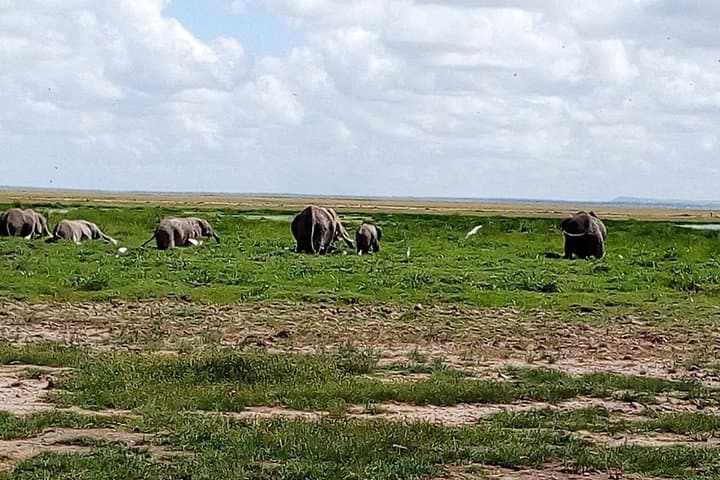
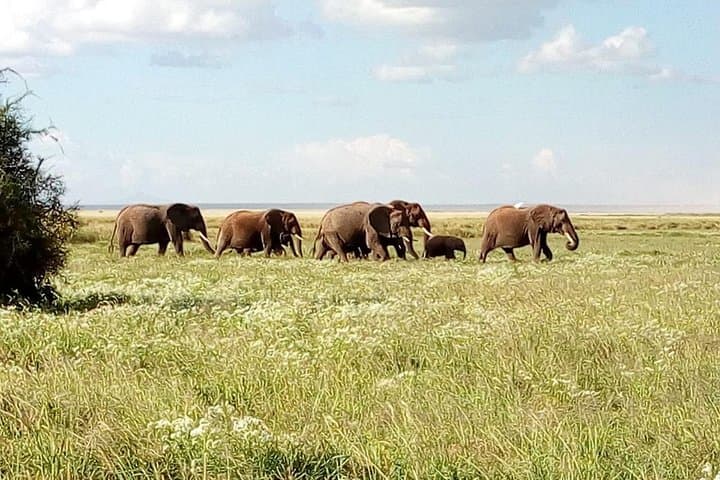
The morning light in Tarangire arrives slow and patient: heat lifts from the grasslands while a low, meandering river dares you to come closer. On the first drive the land opens into wide plains punctuated by massive baobabs — trees that hold rain, shade and a long memory — and where elephants cross in deliberate columns.
The morning light in Tarangire arrives slow and patient: heat lifts from the grasslands while a low, meandering river dares you to come closer. On the first drive the land opens into wide plains punctuated by massive baobabs — trees that hold rain, shade and a long memory — and where elephants cross in deliberate columns.
Tarangire National Park follows a geological rhythm set by its river valley and seasonal floodplain. The Tarangire River is the park’s lifeline, concentrating wildlife during the dry months and shaping the scattered acacia, scrub and baobab landscape. Human history here is braided with Maasai cattle routes and colonial-era conservation that led to formal park protections in the late 20th century.
Culturally, villages fringe the park and Maasai shepherds still move cattle through the countryside; respectful distance and curiosity are the right responses. Birders will note more than 550 species, while mammal sightings range from large elephant herds to stealthy cats and playful banded mongoose.
Practically: the tour runs from Arusha with roughly 1–1.5 hours’ driving to the park in a 4x4 Land Cruiser. Expect morning and late-afternoon game drives, and an overnight at a lodge near park boundaries. Roads are dusty in dry season and muddy after rains; bring a dry-bag for cameras and layers for chilly dawns. Hydration, sun protection and a decent zoom lens or binoculars make the difference between a good day and a memorable one. Respect wildlife—stay in the vehicle unless guided otherwise—and plan transfers to align with your arrival or departure times at Kilimanjaro International Airport.