THE ADVENTURE COLLECTIVE® · Independent discovery and booking for outdoor travel

Spend two focused days chasing elephants beneath baobabs in Tarangire and descending into the vast Ngorongoro Crater for hippo pools, predators and sweeping caldera views. This compact safari balances big sightings with practical travel logistics for first-time visitors.
Spend two focused days chasing elephants beneath baobabs in Tarangire and descending into the vast Ngorongoro Crater for hippo pools, predators and sweeping caldera views. This compact safari balances big sightings with practical travel logistics for first-time visitors.
Dawn arrives over endless grass and baobab silhouettes as the safari vehicle threads a dust ribbon toward Tarangire; elephants test the morning light and birds argue from the acacia canopy.
Verified experiences and guided adventures in the surrounding area.
Operated by kilipath African Safaris · Arusha, Arusha Region
Dawn arrives over endless grass and baobab silhouettes as the safari vehicle threads a dust ribbon toward Tarangire; elephants test the morning light and birds argue from the acacia canopy.
On day one the park’s plains open with sudden clarity — ancient baobabs loomed like weathered guardians while large herds of elephants move with deliberate purpose. That evening, a simple campsite offers the close, quiet company of the bush.
Day two drops into the Ngorongoro Crater: a vast volcanic caldera where geology created an enclosed ecosystem, and the rim frames a bowl of grazing plains, soda lakes and hippo pools. This landscape has supported Maasai pastoral culture for centuries; spoken histories and grazing patterns still shape the conservation mosaic.
Practical guidance sits beside the scenery. Expect long but comfortable game drives, bumpy dirt roads, and early starts for the best light and wildlife activity. Pack layered clothing (mornings are cool), sun protection, binoculars and a camera with a modest telephoto. Bring cash for park fees and tipping if not prepaid.
The itinerary is accessible for most travelers physically, but note limited medical facilities in remote sections and simple overnight lodging at the campsite.
Timing matters: the dry season concentrates wildlife into predictable zones; rains bring green scenery and birding spectacle but muddier roads. Travel with a guide who reads animal movement and the land — they turn sightings into a coherent story of predator, prey and water.
This two-day circuit is brisk but immersive: a concentrated primer in Tanzania’s wildlife, geology and living culture that rewards an attentive pair of eyes and steady boots.
moderate.
2 days.
Light to moderate — suitable for travelers comfortable with long vehicle drives and short walks; minimal sustained hiking required.
Tarangire is roughly 1.5–2 hours (100–130 km) from Arusha depending on road conditions; Ngorongoro Crater is about a 3–4 hour drive from Arusha with time for stops.
Check booking details — many operators include guide services and some meals, but national park entry fees and conservation levies are often charged separately or at checkout.
Common sightings include elephants, buffalo, wildebeest, zebra, hippos, and large predators such as lions and hyenas; leopards and cheetahs are present but less frequently seen.
Camps range from simple to semi-permanent with beds and basic facilities; expect modest comforts and communal dining, not full hotel amenities.
Ngorongoro’s caldera formed from a collapsed volcano millions of years ago; Maasai pastoralists have inhabited the surrounding highlands for centuries and their grazing agreements shaped the conservation area.
The Ngorongoro Conservation Area balances wildlife protection with Maasai land use; visitors should minimize disturbance by following guide instructions and avoiding off-road driving.
kilipath African Safaris operates guided outdoor trips and adventures with an emphasis on safety, stewardship, and memorable experiences.
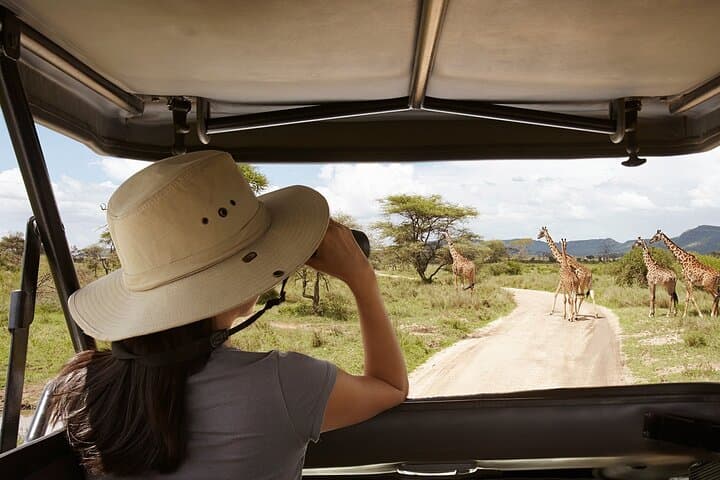

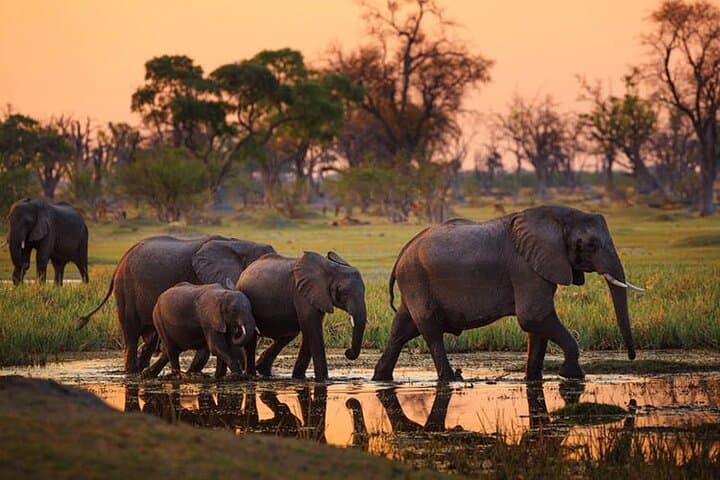
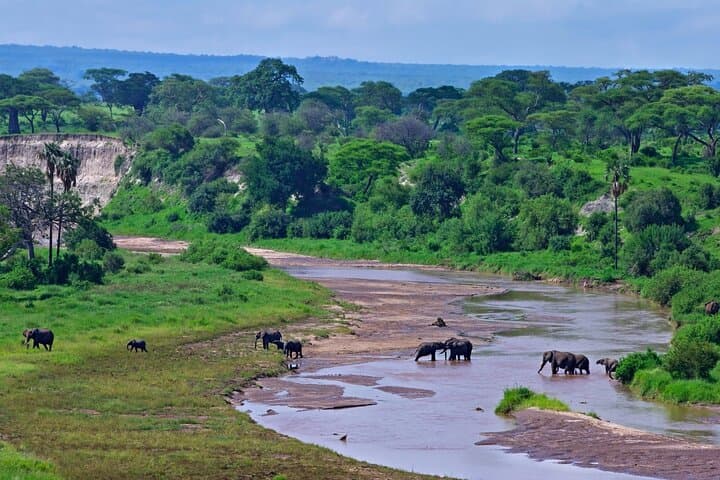
Dawn arrives over endless grass and baobab silhouettes as the safari vehicle threads a dust ribbon toward Tarangire; elephants test the morning light and birds argue from the acacia canopy.
Dawn arrives over endless grass and baobab silhouettes as the safari vehicle threads a dust ribbon toward Tarangire; elephants test the morning light and birds argue from the acacia canopy.
On day one the park’s plains open with sudden clarity — ancient baobabs loomed like weathered guardians while large herds of elephants move with deliberate purpose. That evening, a simple campsite offers the close, quiet company of the bush.
Day two drops into the Ngorongoro Crater: a vast volcanic caldera where geology created an enclosed ecosystem, and the rim frames a bowl of grazing plains, soda lakes and hippo pools. This landscape has supported Maasai pastoral culture for centuries; spoken histories and grazing patterns still shape the conservation mosaic.
Practical guidance sits beside the scenery. Expect long but comfortable game drives, bumpy dirt roads, and early starts for the best light and wildlife activity. Pack layered clothing (mornings are cool), sun protection, binoculars and a camera with a modest telephoto. Bring cash for park fees and tipping if not prepaid.
The itinerary is accessible for most travelers physically, but note limited medical facilities in remote sections and simple overnight lodging at the campsite.
Timing matters: the dry season concentrates wildlife into predictable zones; rains bring green scenery and birding spectacle but muddier roads. Travel with a guide who reads animal movement and the land — they turn sightings into a coherent story of predator, prey and water.
This two-day circuit is brisk but immersive: a concentrated primer in Tanzania’s wildlife, geology and living culture that rewards an attentive pair of eyes and steady boots.