THE ADVENTURE COLLECTIVE® · Independent discovery and booking for outdoor travel

Two classic northern Tanzania reserves in one short itinerary: watch large elephant herds beneath baobabs in Tarangire, then descend into Ngorongoro’s unparalleled caldera for concentrated predator and plains game viewing. Early starts, long drives and included park fees make this a compact, high-value safari.
Two classic northern Tanzania reserves in one short itinerary: watch large elephant herds beneath baobabs in Tarangire, then descend into Ngorongoro’s unparalleled caldera for concentrated predator and plains game viewing. Early starts, long drives and included park fees make this a compact, high-value safari.
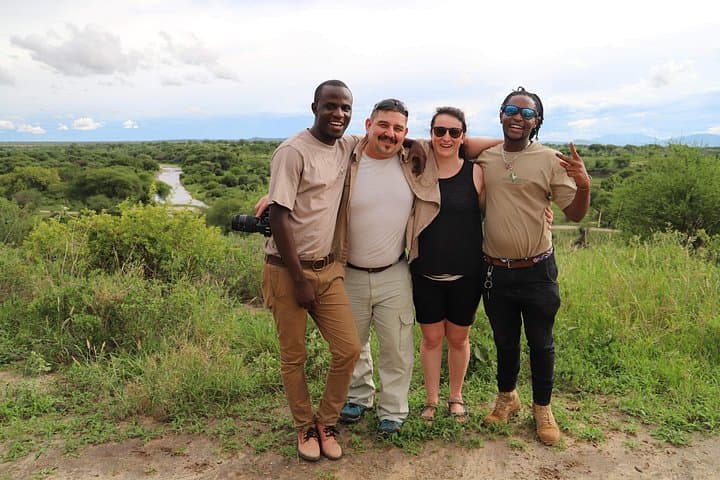
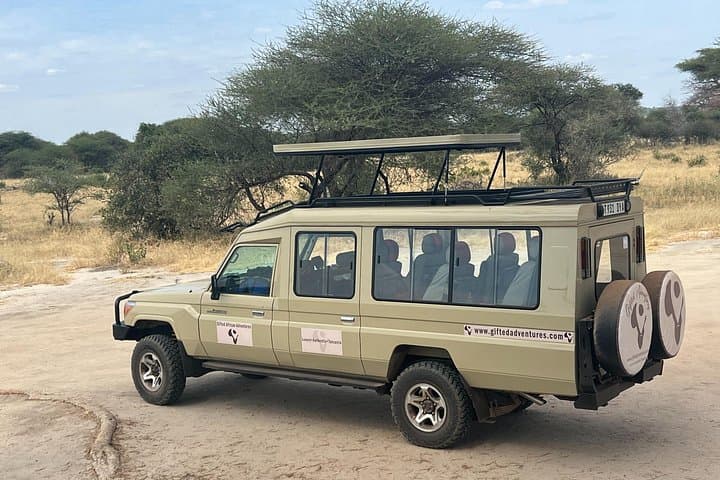
The Land Cruiser bumps onto an open plain as a line of knobbed baobabs throws long shadows across the red dust — elephants wander like slow weather systems beneath those hulking trunks. Day one begins in Tarangire, where the landscape tips between riverine forest and acacia-strewn grasslands and birds call aggressively from the canopy.
Verified experiences and guided adventures in the surrounding area.
Operated by Gifted African Adventures · Arusha, Arusha Region
The Land Cruiser bumps onto an open plain as a line of knobbed baobabs throws long shadows across the red dust — elephants wander like slow weather systems beneath those hulking trunks. Day one begins in Tarangire, where the landscape tips between riverine forest and acacia-strewn grasslands and birds call aggressively from the canopy.
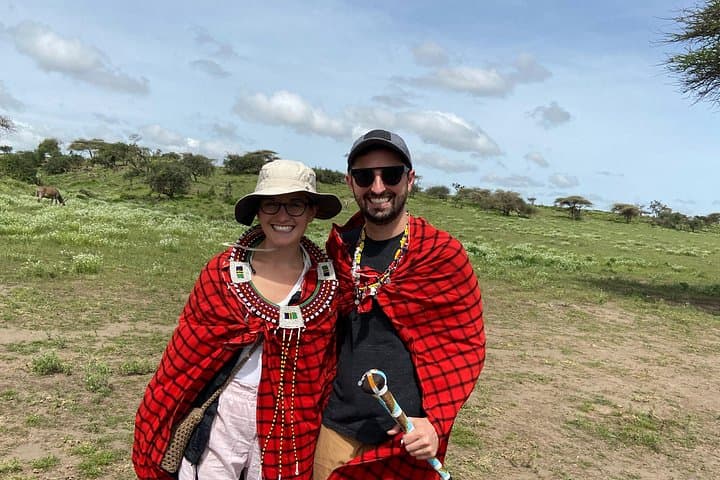
Tarangire’s name comes from the river that threads the park, a seasonal artery that draws wildlife during the dry months. Geologically, the region sits on ancient volcanic soils that support the baobabs and broad grasslands; culturally, Maasai pastoralists have moved through these plains for centuries and remain visible on the park’s edges.
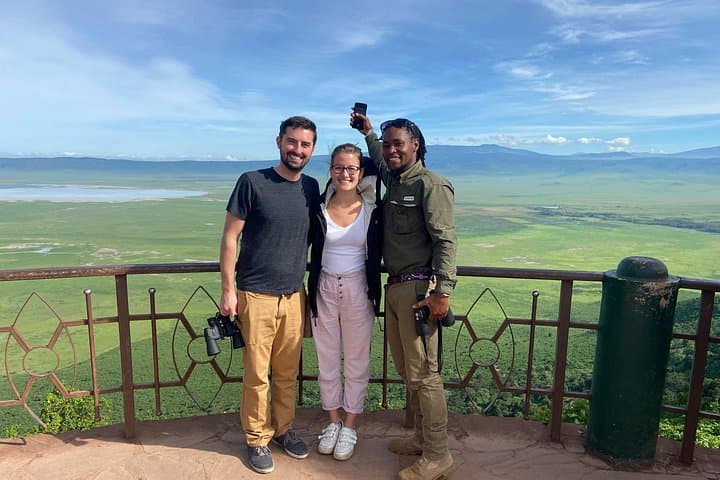
On day two the tour drops into the Ngorongoro Crater, the world’s largest unbroken caldera. The crater’s bowl shape concentrates water and grazing animals, making predator-prey dynamics unusually visible — lion prides, hyenas and the occasional leopard are all part of the spectacle. A packed lunch at the Hippo Pool allows time to watch hippos and flamingos where water and land meet.
Practical guidance: expect an early 6:00 a.m. start on day two and long periods in the vehicle; park fees are included and the itinerary schedules roughly 6 hours of game viewing in Tarangire and around 7 hours in Ngorongoro. Roads are often bumpy — bring binoculars, layered clothing for cool crater mornings, sun protection, and a reusable water bottle. Respect wildlife distances, follow guide instructions, and be prepared for changing weather between low-lying Tarangire and the cooler crater rim.
moderate.
2 days.
Suitable for travelers in average physical condition; expect long periods seated in a 4x4 and short walks at viewpoints
Yes — the tour notes that all park fees are included in the price.
Pickups are typically from Arusha or Moshi in the morning (around 8:00 a.m. for day one) with an early departure (around 6:00 a.m.) on the crater day; confirm exact pickup details when booking.
The tour indicates stroller and wheelchair accessibility for some transport but notes it may not be recommended for travelers with spinal or serious cardiovascular conditions; infants may need to sit on laps.
Expect large elephant herds in Tarangire and concentrated populations of wildebeest, zebra, buffalo, and predators such as lions and hyenas in Ngorongoro; sightings depend on season and luck.
The Ngorongoro crater formed when a large volcano collapsed two to three million years ago; Maasai pastoral communities have grazed the surrounding highlands for generations.
Both parks are conserved areas balancing tourism and pastoralism—follow guides’ rules to reduce disturbance and support responsible wildlife viewing practices.
Gifted African Adventures operates guided outdoor trips and adventures with an emphasis on safety, stewardship, and memorable experiences.
The Land Cruiser bumps onto an open plain as a line of knobbed baobabs throws long shadows across the red dust — elephants wander like slow weather systems beneath those hulking trunks. Day one begins in Tarangire, where the landscape tips between riverine forest and acacia-strewn grasslands and birds call aggressively from the canopy.
The Land Cruiser bumps onto an open plain as a line of knobbed baobabs throws long shadows across the red dust — elephants wander like slow weather systems beneath those hulking trunks. Day one begins in Tarangire, where the landscape tips between riverine forest and acacia-strewn grasslands and birds call aggressively from the canopy.
Tarangire’s name comes from the river that threads the park, a seasonal artery that draws wildlife during the dry months. Geologically, the region sits on ancient volcanic soils that support the baobabs and broad grasslands; culturally, Maasai pastoralists have moved through these plains for centuries and remain visible on the park’s edges.
On day two the tour drops into the Ngorongoro Crater, the world’s largest unbroken caldera. The crater’s bowl shape concentrates water and grazing animals, making predator-prey dynamics unusually visible — lion prides, hyenas and the occasional leopard are all part of the spectacle. A packed lunch at the Hippo Pool allows time to watch hippos and flamingos where water and land meet.
Practical guidance: expect an early 6:00 a.m. start on day two and long periods in the vehicle; park fees are included and the itinerary schedules roughly 6 hours of game viewing in Tarangire and around 7 hours in Ngorongoro. Roads are often bumpy — bring binoculars, layered clothing for cool crater mornings, sun protection, and a reusable water bottle. Respect wildlife distances, follow guide instructions, and be prepared for changing weather between low-lying Tarangire and the cooler crater rim.