THE ADVENTURE COLLECTIVE® · Independent discovery and booking for outdoor travel

Two days of focused safari driving through Tarangire and down into the Ngorongoro Crater deliver classic East African wildlife viewing, crater panoramas and a chance to meet Maasai communities. Expect long game drives, early starts and high concentrations of elephants and big cats.
Two days of focused safari driving through Tarangire and down into the Ngorongoro Crater deliver classic East African wildlife viewing, crater panoramas and a chance to meet Maasai communities. Expect long game drives, early starts and high concentrations of elephants and big cats.
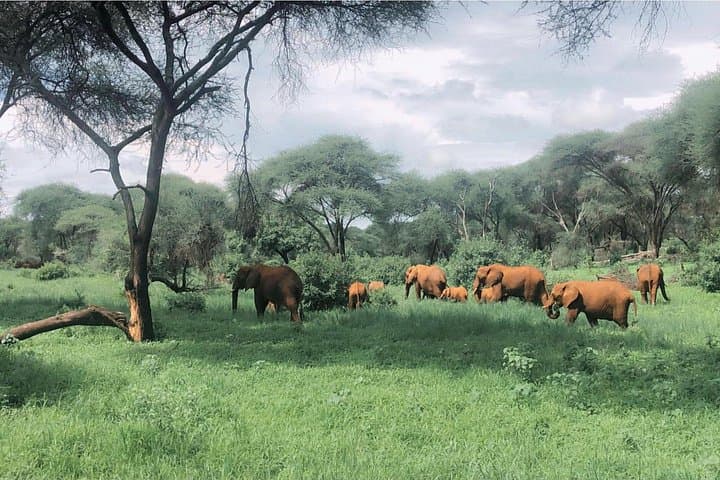
The first light slices across seasonal riverbeds as your guide eases the 4x4 toward a herd of elephants feeding beneath giant baobab silhouettes; the engine hum recedes and the landscape takes over. Tarangire’s open plains give way to termite mounds and mopane stands, where birds call and the river dares you closer.
Verified experiences and guided adventures in the surrounding area.
Operated by Mikumi Holiday Safaris · Arusha, Arusha Region
The first light slices across seasonal riverbeds as your guide eases the 4x4 toward a herd of elephants feeding beneath giant baobab silhouettes; the engine hum recedes and the landscape takes over. Tarangire’s open plains give way to termite mounds and mopane stands, where birds call and the river dares you closer.
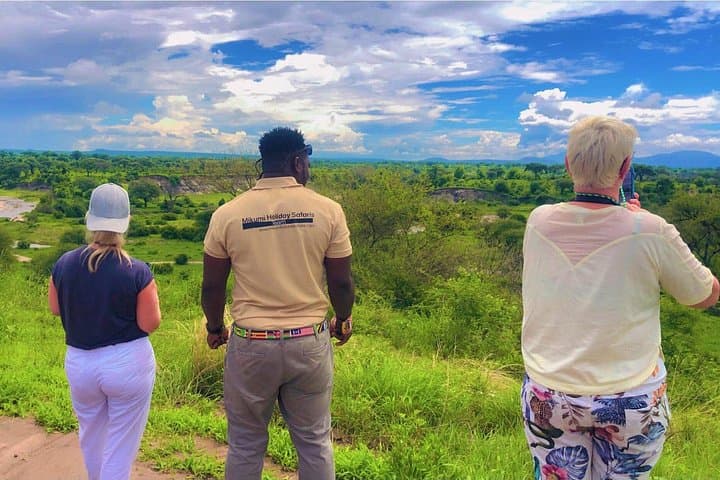
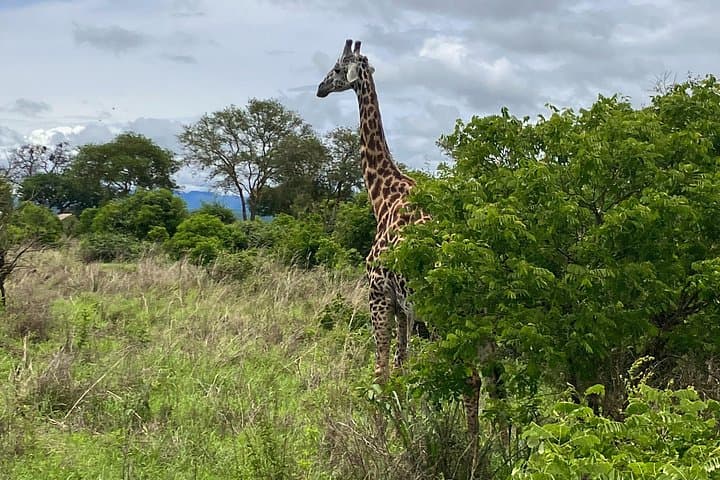
Tarangire National Park is known for dense dry-season concentrations of elephants and large herds of ungulates, while Ngorongoro Crater — the world's largest intact volcanic caldera — packs high densities of predators and the big five into a bowl of grassland and forest. Geology here reads like a chapter of deep time: collapsed calderas, volcanic highlands and steep crater walls that create a natural amphitheater for wildlife.
Culturally, the Maasai live on the crater rim and nearby highlands; visits offer straightforward cultural exchange rather than staged performances. Historically the Ngorongoro area combines agricultural highlands and protected grounds created in the mid-20th century to safeguard both people and wildlife.
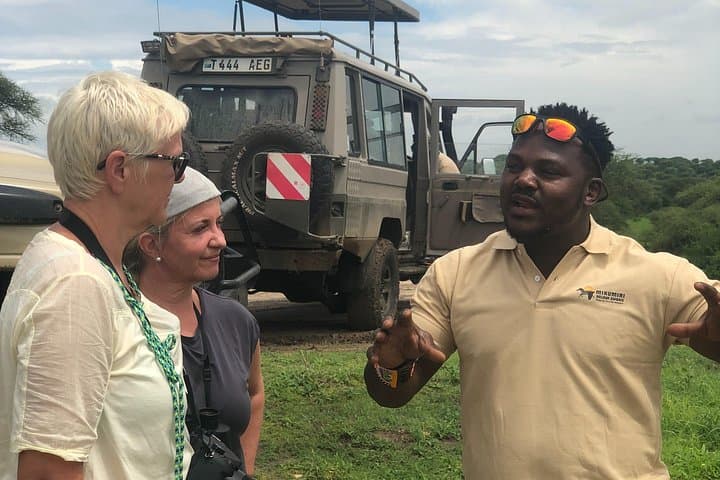
Practical guidance: expect long days of game driving from an open-roof vehicle, early departures and a picnic lunch in the crater. Wear breathable layers, neutral colors, and sturdy shoes for short walks at rest stops. Bring water, sun protection and binoculars; guides handle permits and routes but tipping and local fees may apply. Travel in the dry season (July–October) yields the most predictable sightings, while the shoulder months offer fewer visitors and green scenery. The trip moves at wildlife pace — patient, deliberate and rewarding.
moderate.
2 days (approx. 8–10 hours/day).
Suitable for most fitness levels; involves long periods in a vehicle and short walks at stops.
Expect roughly 2–3 hours of road transfer from Arusha to Tarangire and 2–3 hours between Tarangire and the Ngorongoro area depending on route and traffic.
This itinerary includes entrance to Ngorongoro Crater; confirm with the operator whether all park fees are covered in your booking price.
Yes — Ngorongoro has a high density of big game and the trip is designed to maximize sightings, but wildlife sightings cannot be guaranteed.
The itinerary lists an overnight at a local lodge (Pamoja Olea) but confirm room type and comfort level at booking.
Ngorongoro’s caldera formed from a volcanic collapse roughly 2–3 million years ago; the area later became a protected conservation zone to balance indigenous Maasai land use with wildlife protection.
Both parks are managed to protect high-density wildlife and local livelihoods; visitors should follow park rules, avoid disturbance to animals and support community-run services where possible.
Mikumi Holiday Safaris operates guided outdoor trips and adventures with an emphasis on safety, stewardship, and memorable experiences.
The first light slices across seasonal riverbeds as your guide eases the 4x4 toward a herd of elephants feeding beneath giant baobab silhouettes; the engine hum recedes and the landscape takes over. Tarangire’s open plains give way to termite mounds and mopane stands, where birds call and the river dares you closer.
The first light slices across seasonal riverbeds as your guide eases the 4x4 toward a herd of elephants feeding beneath giant baobab silhouettes; the engine hum recedes and the landscape takes over. Tarangire’s open plains give way to termite mounds and mopane stands, where birds call and the river dares you closer.
Tarangire National Park is known for dense dry-season concentrations of elephants and large herds of ungulates, while Ngorongoro Crater — the world's largest intact volcanic caldera — packs high densities of predators and the big five into a bowl of grassland and forest. Geology here reads like a chapter of deep time: collapsed calderas, volcanic highlands and steep crater walls that create a natural amphitheater for wildlife.
Culturally, the Maasai live on the crater rim and nearby highlands; visits offer straightforward cultural exchange rather than staged performances. Historically the Ngorongoro area combines agricultural highlands and protected grounds created in the mid-20th century to safeguard both people and wildlife.
Practical guidance: expect long days of game driving from an open-roof vehicle, early departures and a picnic lunch in the crater. Wear breathable layers, neutral colors, and sturdy shoes for short walks at rest stops. Bring water, sun protection and binoculars; guides handle permits and routes but tipping and local fees may apply. Travel in the dry season (July–October) yields the most predictable sightings, while the shoulder months offer fewer visitors and green scenery. The trip moves at wildlife pace — patient, deliberate and rewarding.