THE ADVENTURE COLLECTIVE® · Independent discovery and booking for outdoor travel

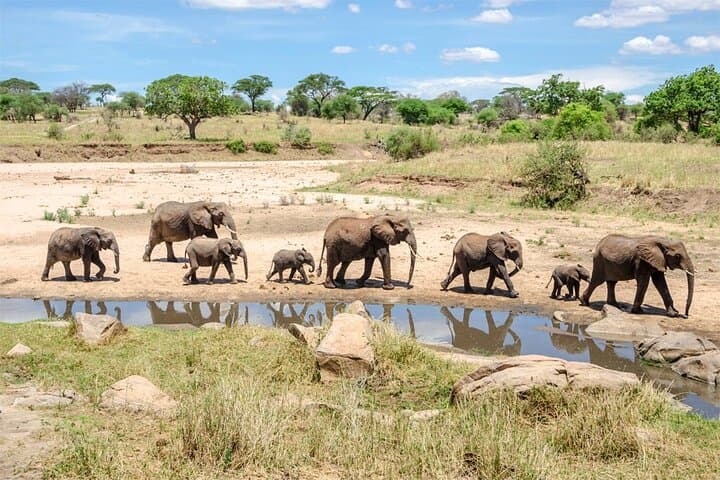
A concentrated two-day safari that pairs Tarangire’s elephant-packed riverlands with the dramatic Ngorongoro Crater. Ideal for travelers short on time who still want high-probability Big Five viewing and comfortable lodge stays.
A concentrated two-day safari that pairs Tarangire’s elephant-packed riverlands with the dramatic Ngorongoro Crater. Ideal for travelers short on time who still want high-probability Big Five viewing and comfortable lodge stays.
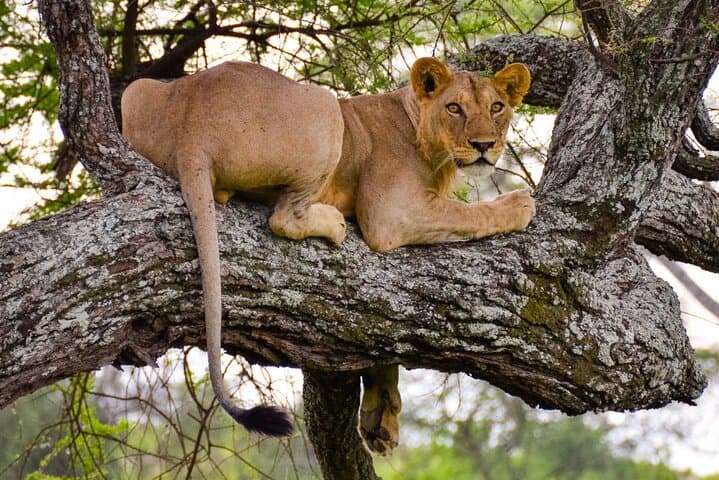
Dawn arrives fast on the savanna: the Land Cruiser hums over red dust as a pale sun lifts above baobabs and a distant line of wildebeest moves toward the river. In two days the trip stitches together two of northern Tanzania’s most compelling landscapes — Tarangire’s elephant-rich floodplain and the dramatic bowl of the Ngorongoro Crater — delivering concentrated wildlife viewing with minimal transit fatigue.
Verified experiences and guided adventures in the surrounding area.
Operated by LAMAGAYA SAFARIS · Karatu, Manyara Region
Dawn arrives fast on the savanna: the Land Cruiser hums over red dust as a pale sun lifts above baobabs and a distant line of wildebeest moves toward the river. In two days the trip stitches together two of northern Tanzania’s most compelling landscapes — Tarangire’s elephant-rich floodplain and the dramatic bowl of the Ngorongoro Crater — delivering concentrated wildlife viewing with minimal transit fatigue.
Tarangire’s flat, brush-scattered plains and iconic baobab silhouettes are a lesson in ecology; the Tarangire River becomes a lifeline in the dry months, drawing elephants and predators into tense, readable encounters. Ngorongoro, an intact volcanic caldera over 260 sq km across and some 600 meters deep, condenses African ecosystems: grassland, hippo pools, and forested slopes where black rhino and buffalo hold ground.
Culturally the route crosses Maasai grazing lands and agricultural terraces around Karatu; guides commonly explain customary land uses and the conservation arrangements that keep the crater’s integrity. Geologically the crater is a single caldera left by a collapsing volcano, a stage where herbivores and carnivores play out daily survival.
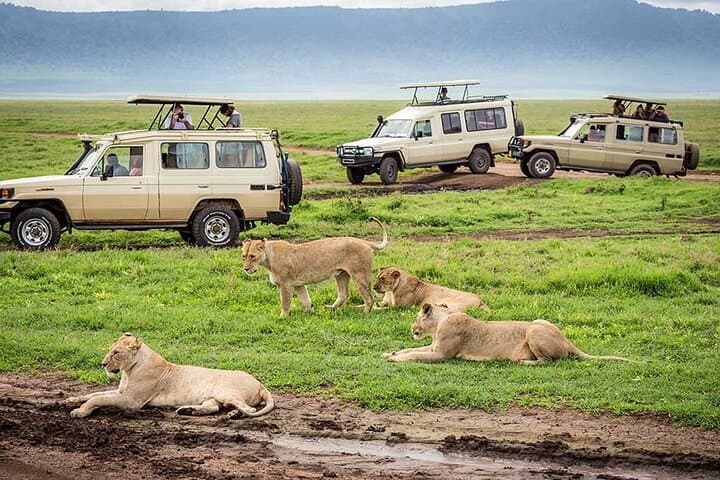
Practicalities: expect early starts (game is best at first light), long dirt-road drives, and game drives from an elevated 4x4 with a pop-up roof. Bring layered clothing for cool mornings and hot afternoons, binoculars and a long lens, and a refillable water bottle. Respect park rules: stay in the vehicle except in designated areas and keep distances from wildlife. With a private guide and lodge support, this short safari is efficient, high-yield, and tailored for travelers who want maximum wildlife time in a compact itinerary.
easy.
2 days.
Suitable for most fitness levels; minimal walking required but expect bumpy vehicle rides and early mornings
Pick-up is typically at 7:30 AM from Arusha or Moshi for Tarangire; the Ngorongoro descent begins very early (around 6:00–6:30 AM) to maximize game viewing.
This tour description includes park access and parking fees in the listed inclusions; confirm with the operator at booking for any changes.
Yes—vehicles and lodges accommodate a wide range of ages; notify operators about mobility needs or medical conditions when booking.
Bring a valid passport; check current health guidance for yellow fever and routine vaccinations and consult your healthcare provider for malaria prophylaxis recommendations.
Ngorongoro is a collapsed volcanic caldera formed hundreds of thousands of years ago and later used by Maasai pastoralists; Tarangire’s landscape has long supported migratory herds drawn to seasonal water.
Both parks operate under conservation frameworks that balance tourism with grazing and community land use; visitors should minimize noise, litter, and off-road driving to reduce impact.
LAMAGAYA SAFARIS operates guided outdoor trips and adventures with an emphasis on safety, stewardship, and memorable experiences.

Dawn arrives fast on the savanna: the Land Cruiser hums over red dust as a pale sun lifts above baobabs and a distant line of wildebeest moves toward the river. In two days the trip stitches together two of northern Tanzania’s most compelling landscapes — Tarangire’s elephant-rich floodplain and the dramatic bowl of the Ngorongoro Crater — delivering concentrated wildlife viewing with minimal transit fatigue.
Dawn arrives fast on the savanna: the Land Cruiser hums over red dust as a pale sun lifts above baobabs and a distant line of wildebeest moves toward the river. In two days the trip stitches together two of northern Tanzania’s most compelling landscapes — Tarangire’s elephant-rich floodplain and the dramatic bowl of the Ngorongoro Crater — delivering concentrated wildlife viewing with minimal transit fatigue.
Tarangire’s flat, brush-scattered plains and iconic baobab silhouettes are a lesson in ecology; the Tarangire River becomes a lifeline in the dry months, drawing elephants and predators into tense, readable encounters. Ngorongoro, an intact volcanic caldera over 260 sq km across and some 600 meters deep, condenses African ecosystems: grassland, hippo pools, and forested slopes where black rhino and buffalo hold ground.
Culturally the route crosses Maasai grazing lands and agricultural terraces around Karatu; guides commonly explain customary land uses and the conservation arrangements that keep the crater’s integrity. Geologically the crater is a single caldera left by a collapsing volcano, a stage where herbivores and carnivores play out daily survival.
Practicalities: expect early starts (game is best at first light), long dirt-road drives, and game drives from an elevated 4x4 with a pop-up roof. Bring layered clothing for cool mornings and hot afternoons, binoculars and a long lens, and a refillable water bottle. Respect park rules: stay in the vehicle except in designated areas and keep distances from wildlife. With a private guide and lodge support, this short safari is efficient, high-yield, and tailored for travelers who want maximum wildlife time in a compact itinerary.