THE ADVENTURE COLLECTIVE® · Independent discovery and booking for outdoor travel

A compact two-day circuit from Kutaisi that pairs the Chalaadi Glacier hike with centuries-old Svan towers in Mestia and Ushguli. Expect rough roads, high-mountain views, and a deep dose of Svan culture.
A compact two-day circuit from Kutaisi that pairs the Chalaadi Glacier hike with centuries-old Svan towers in Mestia and Ushguli. Expect rough roads, high-mountain views, and a deep dose of Svan culture.
By the time the minivan peels away from Kutaisi the lowland fog thins and the Caucasus begins to assert itself — a chain of rocky teeth climbing toward snow. On day one the route pauses at the Enguri Dam, a massive concrete scar across the river that hints at Soviet-era engineering, then drops visitors into Mestia’s compact cluster of stone houses and watchtowers. From there a forested trail leads to the Chalaadi Glacier: a 6–8 km round-trip with roughly 200–300 m of ascent, alternating beetling moraine, beech stands and open scree as the glacier’s blue ice lures the eye.
Verified experiences and guided adventures in the surrounding area.
Operated by Budget Georgia · Mestia, Samegrelo-Zemo Svaneti
By the time the minivan peels away from Kutaisi the lowland fog thins and the Caucasus begins to assert itself — a chain of rocky teeth climbing toward snow. On day one the route pauses at the Enguri Dam, a massive concrete scar across the river that hints at Soviet-era engineering, then drops visitors into Mestia’s compact cluster of stone houses and watchtowers. From there a forested trail leads to the Chalaadi Glacier: a 6–8 km round-trip with roughly 200–300 m of ascent, alternating beetling moraine, beech stands and open scree as the glacier’s blue ice lures the eye.
Svaneti’s stone towers — defensive homes from the medieval period — and the UNESCO-listed village of Ushguli frame day two. Ushguli sits above 2,000 m and feels removed from time: narrow lanes, ancient churches, and the stubborn geometry of towers that once guarded families and livestock. Geologically, the region is young and active; glaciers carve the valleys and deposit polished rock and scree terraces that shape the trails.
Practical edge: expect rough roads between villages, variable weather and short daylight in shoulder seasons. Hikes are not technical but demand steady footwear and basic navigation; local guides manage logistics, so travelers can focus on the landscape and Svan hospitality. Plan for chilly mornings, sun at altitude, and simple guesthouse stays in Mestia or Ushguli. The trip is a compact introduction to high-mountain Georgia — part cultural immersion, part alpine walk — ideal for travelers with moderate fitness and a taste for rugged scenery.
moderate.
2 days.
Moderate — regular walkers comfortable with 6–8 km hikes and some elevation change.
Typical routes to the glacier front are 6–8 km round-trip with ~200–300 m of elevation gain, taking 3–4 hours depending on pace and stops.
Older children who are used to day hikes can manage, but very young children and infants may struggle with long drives and uneven terrain.
No formal permit is required, but day tours and local guides simplify logistics, road handling and cultural orientation.
Expect simple family-run guesthouses or small hotels in Mestia and Ushguli offering basic comforts and home-cooked meals.
Svaneti is dotted with defensive stone towers built between the 9th and 13th centuries; many villages, including Ushguli, are UNESCO-listed for their preserved medieval architecture.
Alpine meadows and glaciers are sensitive; stick to trails, avoid disturbing pastureland and follow local waste-disposal practices to minimize impact.
Budget Georgia operates guided outdoor trips and adventures with an emphasis on safety, stewardship, and memorable experiences.
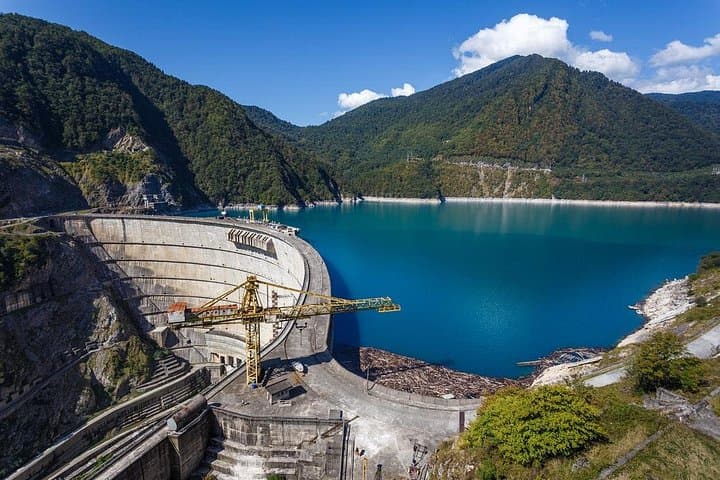
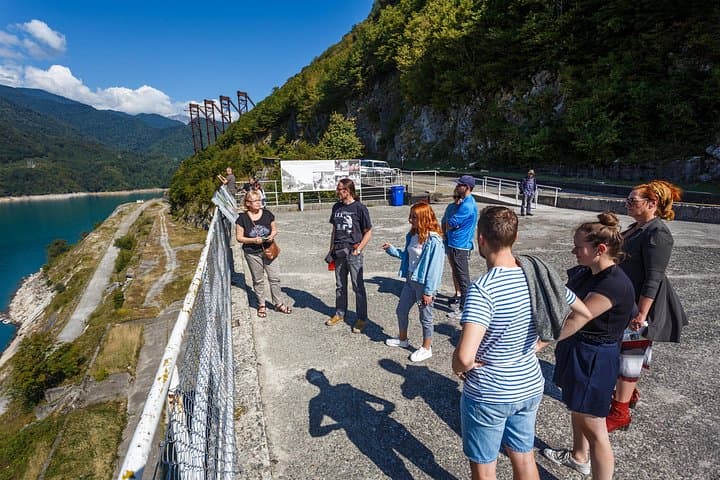
By the time the minivan peels away from Kutaisi the lowland fog thins and the Caucasus begins to assert itself — a chain of rocky teeth climbing toward snow. On day one the route pauses at the Enguri Dam, a massive concrete scar across the river that hints at Soviet-era engineering, then drops visitors into Mestia’s compact cluster of stone houses and watchtowers. From there a forested trail leads to the Chalaadi Glacier: a 6–8 km round-trip with roughly 200–300 m of ascent, alternating beetling moraine, beech stands and open scree as the glacier’s blue ice lures the eye.
By the time the minivan peels away from Kutaisi the lowland fog thins and the Caucasus begins to assert itself — a chain of rocky teeth climbing toward snow. On day one the route pauses at the Enguri Dam, a massive concrete scar across the river that hints at Soviet-era engineering, then drops visitors into Mestia’s compact cluster of stone houses and watchtowers. From there a forested trail leads to the Chalaadi Glacier: a 6–8 km round-trip with roughly 200–300 m of ascent, alternating beetling moraine, beech stands and open scree as the glacier’s blue ice lures the eye.
Svaneti’s stone towers — defensive homes from the medieval period — and the UNESCO-listed village of Ushguli frame day two. Ushguli sits above 2,000 m and feels removed from time: narrow lanes, ancient churches, and the stubborn geometry of towers that once guarded families and livestock. Geologically, the region is young and active; glaciers carve the valleys and deposit polished rock and scree terraces that shape the trails.
Practical edge: expect rough roads between villages, variable weather and short daylight in shoulder seasons. Hikes are not technical but demand steady footwear and basic navigation; local guides manage logistics, so travelers can focus on the landscape and Svan hospitality. Plan for chilly mornings, sun at altitude, and simple guesthouse stays in Mestia or Ushguli. The trip is a compact introduction to high-mountain Georgia — part cultural immersion, part alpine walk — ideal for travelers with moderate fitness and a taste for rugged scenery.