THE ADVENTURE COLLECTIVE® · Independent discovery and booking for outdoor travel

A focused two-day small-group circuit through Easter Island’s signature moai sites and volcanic landmarks. Expect expert local guiding, moderate walking over uneven terrain, and unforgettable sunrise or sunset photo opportunities.
A focused two-day small-group circuit through Easter Island’s signature moai sites and volcanic landmarks. Expect expert local guiding, moderate walking over uneven terrain, and unforgettable sunrise or sunset photo opportunities.
You step off the van and the Pacific wind greets you—sharp, salty, and insistent—while a ring of stone heads sits quiet on the horizon, watching the island roll toward the sea. Over two days this small-group tour threads the island’s main sites: white-sand Anakena, the forest of statues at Rano Raraku, the restored platforms of Ahu Tongariki, and the cliff-top ceremonial village at Orongo.
Verified experiences and guided adventures in the surrounding area.
Operated by Green Island Tours - Easter Island · Hanga Roa, Valparaíso Region
You step off the van and the Pacific wind greets you—sharp, salty, and insistent—while a ring of stone heads sits quiet on the horizon, watching the island roll toward the sea. Over two days this small-group tour threads the island’s main sites: white-sand Anakena, the forest of statues at Rano Raraku, the restored platforms of Ahu Tongariki, and the cliff-top ceremonial village at Orongo.
Geology here is volcanic theatre: tuff quarries, scoria crowns, and crater lakes carved by eruptions millions of years ago. The moai are carved from compacted volcanic ash and coaxed from Rano Raraku before being moved across the island on ancient pathways; recent archaeology and oral histories reveal layers of craftsmanship, competition, and ecological strain that reshaped Rapa Nui society.
Local guides deliver legend and context—stories of Hotu Matuʻa, tangata manu competitions, and how topknots at Puna Pau were hoisted into place—while pointing to stonework that echoes broader Polynesian seafaring and South American influences.
Practical guidance: plan for uneven, rocky surfaces and coastal winds; park entry fees are not included and should be purchased in advance when possible. Mornings offer the best light for Anakena and Ahu Tongariki; afternoons suit Rano Kau and Orongo. Wear sturdy footwear, carry 1–2 liters of water, sun protection, and a layered shell for sudden squalls. The operator provides hotel pickup and drop-off; groups are small (maximum ≈12), which helps with photo timing and keeping to National Park rules. Respect the moai—no climbing or touching—and expect moderate walking across mixed terrain.
moderate.
2 days.
Suitable for travelers in moderate fitness able to walk 2–4 miles with elevation changes and uneven footing each day
No—Rapa Nui National Park tickets are not included; buy them online or at the island’s visitor center before the tour.
Expect multiple short walks (15–60 minutes) at each site over mixed terrain; total daily on-feet time varies but moderate mobility is required.
Yes—hotel pick-up and drop-off in Hanga Roa are included as part of the tour logistics.
Infants can join but must sit on an adult’s lap; the tour is not recommended for people with serious cardiovascular conditions.
Rapa Nui’s moai were carved primarily between the 13th and 16th centuries from Rano Raraku tuff; shifting social practices and ecological change altered statue erection over time.
Visitor pressure is managed through park permits and guided access; stay on trails and avoid touching archaeological sites to minimize erosion and damage.
Green Island Tours - Easter Island operates guided outdoor trips and adventures with an emphasis on safety, stewardship, and memorable experiences.

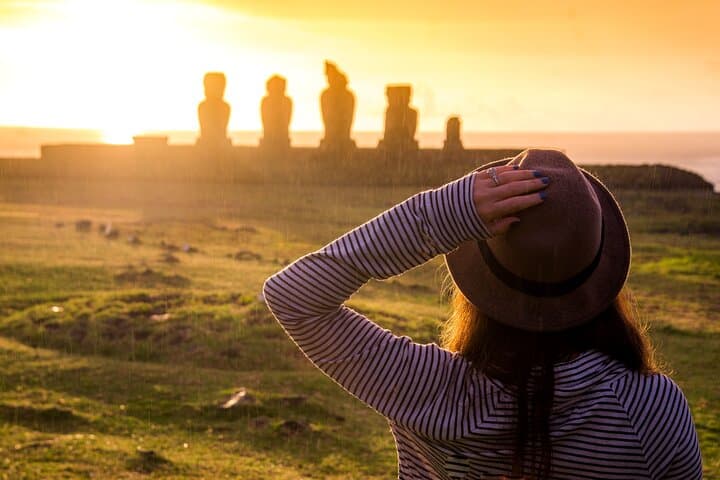


You step off the van and the Pacific wind greets you—sharp, salty, and insistent—while a ring of stone heads sits quiet on the horizon, watching the island roll toward the sea. Over two days this small-group tour threads the island’s main sites: white-sand Anakena, the forest of statues at Rano Raraku, the restored platforms of Ahu Tongariki, and the cliff-top ceremonial village at Orongo.
You step off the van and the Pacific wind greets you—sharp, salty, and insistent—while a ring of stone heads sits quiet on the horizon, watching the island roll toward the sea. Over two days this small-group tour threads the island’s main sites: white-sand Anakena, the forest of statues at Rano Raraku, the restored platforms of Ahu Tongariki, and the cliff-top ceremonial village at Orongo.
Geology here is volcanic theatre: tuff quarries, scoria crowns, and crater lakes carved by eruptions millions of years ago. The moai are carved from compacted volcanic ash and coaxed from Rano Raraku before being moved across the island on ancient pathways; recent archaeology and oral histories reveal layers of craftsmanship, competition, and ecological strain that reshaped Rapa Nui society.
Local guides deliver legend and context—stories of Hotu Matuʻa, tangata manu competitions, and how topknots at Puna Pau were hoisted into place—while pointing to stonework that echoes broader Polynesian seafaring and South American influences.
Practical guidance: plan for uneven, rocky surfaces and coastal winds; park entry fees are not included and should be purchased in advance when possible. Mornings offer the best light for Anakena and Ahu Tongariki; afternoons suit Rano Kau and Orongo. Wear sturdy footwear, carry 1–2 liters of water, sun protection, and a layered shell for sudden squalls. The operator provides hotel pickup and drop-off; groups are small (maximum ≈12), which helps with photo timing and keeping to National Park rules. Respect the moai—no climbing or touching—and expect moderate walking across mixed terrain.