THE ADVENTURE COLLECTIVE® · Independent discovery and booking for outdoor travel

A fast-paced 2-day private tour linking Hurghada with Cairo and Luxor: Giza’s pyramids, the Egyptian Museum, a flight to Luxor, the Valley of the Kings, Karnak, and a Nile felucca cruise. Ideal for travelers who want to see major sites efficiently with guided context.
A fast-paced 2-day private tour linking Hurghada with Cairo and Luxor: Giza’s pyramids, the Egyptian Museum, a flight to Luxor, the Valley of the Kings, Karnak, and a Nile felucca cruise. Ideal for travelers who want to see major sites efficiently with guided context.
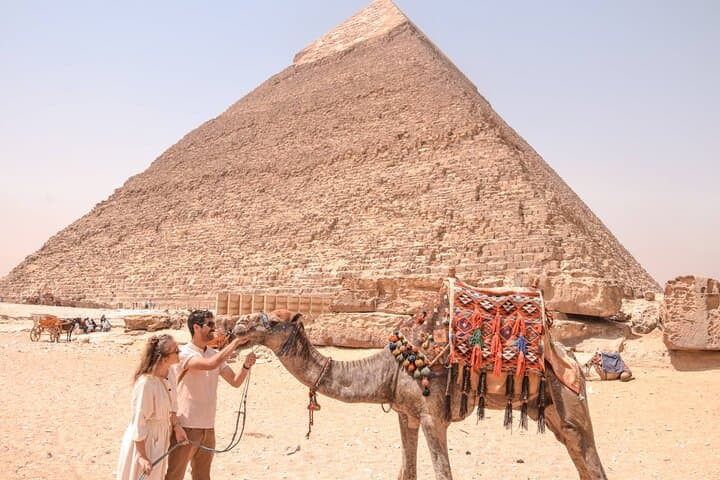
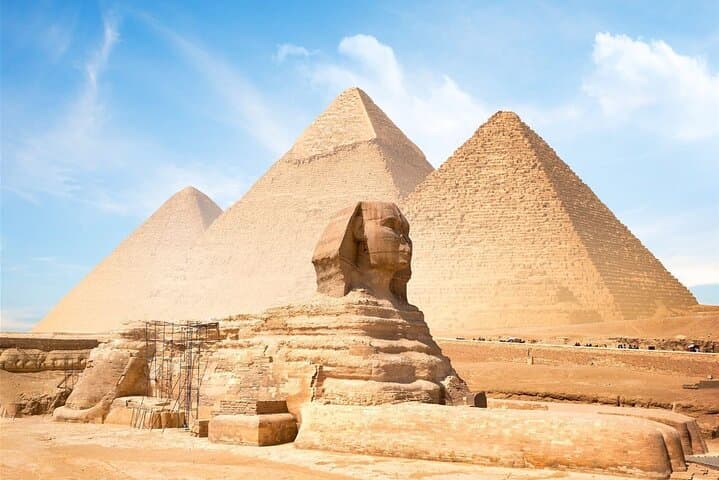
You step out before dawn in Hurghada with the Arabian sun low on the Red Sea horizon, the road ahead promising sandstone monuments and river-borne calm. A four-hour drive delivers you to the Giza Plateau where wind-polished limestone and stone-cut geometry rise from the desert like engineered constellations. The Sphinx watches, patient as the city’s modern pulse flows around it.
Verified experiences and guided adventures in the surrounding area.
Operated by Luxor Private Day Tours · Hurghada, Red Sea Governorate
You step out before dawn in Hurghada with the Arabian sun low on the Red Sea horizon, the road ahead promising sandstone monuments and river-borne calm. A four-hour drive delivers you to the Giza Plateau where wind-polished limestone and stone-cut geometry rise from the desert like engineered constellations. The Sphinx watches, patient as the city’s modern pulse flows around it.
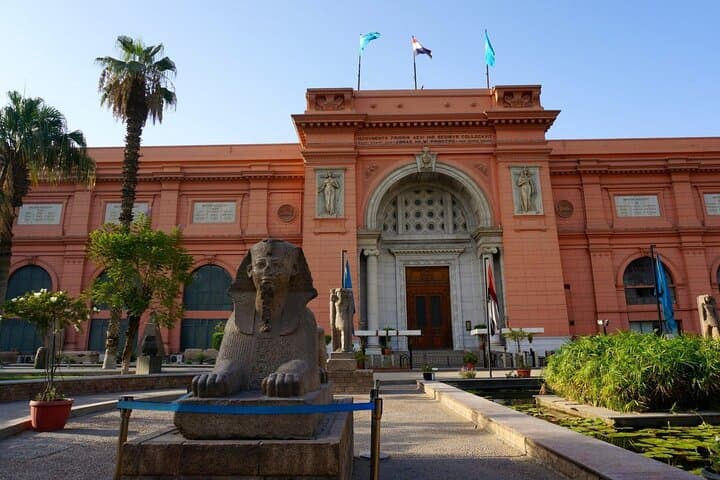
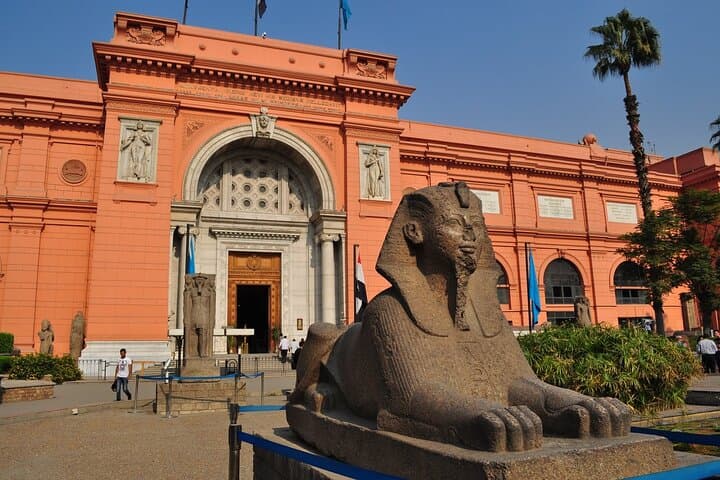
This compact itinerary threads two of Egypt’s great eras: Old Kingdom funerary power at Giza and New Kingdom ritual and burial practice along the Nile in Luxor. The Egyptian Museum in Cairo holds gilded funerary goods and mummified remains that map changing beliefs about death; Karnak and the Valley of the Kings in Luxor display colossal columns, carved rock tombs, and temples that speak to state religion and architectural ambition. Geologically, you move from Sahara sands and Eocene limestone at Giza to the Nile’s alluvial plain carved into bucketed cliffs on Luxor’s west bank.
Culturally, expect a mix of guarded monuments, bustling bazaars, and quiet felucca sails where the Nile urges you forward. Practicalities: one overnight in a 4-star Cairo hotel breaks the travel; an early morning flight connects Cairo to Luxor, with an evening return flight to Hurghada. Comfortable walking shoes, sun protection, and a reusable water bottle are non-negotiable; plan for variable crowds at major sites and limited shade between ruins. Allow time for security checks and passport presentation when flying domestically. With focused planning, the route compacts Egypt’s long history into two high-impact days.
easy.
2 days.
Suitable for travelers with basic mobility who can handle several hours of walking and stairs over two days.
Expect several hours of walking each day, including uneven surfaces and stairs at temple sites; most visits involve short walks between highlights.
Yes—this itinerary includes a morning flight from Cairo to Luxor and an evening flight back to Hurghada on day two as part of the package.
Yes—infants can ride in strollers and are usually required to sit on a guardian’s lap during transfers and flights; assess museum and archaeological site accessibility for very young children.
Many tombs are open on a rotating basis; entrance to specific tombs may require an additional fee and are subject to daily limits to protect fragile environments.
The route links Egypt’s funerary innovations from the Old Kingdom pyramids at Giza to New Kingdom mortuary temples and royal tombs in Luxor, reflecting millennia of centralized religious architecture and tomb-building practices.
Visitor limits and rotating tomb access help protect fragile wall paintings; travelers should avoid touching carvings, carry out waste, and use local guides to support sustainable site management.
Luxor Private Day Tours operates guided outdoor trips and adventures with an emphasis on safety, stewardship, and memorable experiences.
You step out before dawn in Hurghada with the Arabian sun low on the Red Sea horizon, the road ahead promising sandstone monuments and river-borne calm. A four-hour drive delivers you to the Giza Plateau where wind-polished limestone and stone-cut geometry rise from the desert like engineered constellations. The Sphinx watches, patient as the city’s modern pulse flows around it.
You step out before dawn in Hurghada with the Arabian sun low on the Red Sea horizon, the road ahead promising sandstone monuments and river-borne calm. A four-hour drive delivers you to the Giza Plateau where wind-polished limestone and stone-cut geometry rise from the desert like engineered constellations. The Sphinx watches, patient as the city’s modern pulse flows around it.
This compact itinerary threads two of Egypt’s great eras: Old Kingdom funerary power at Giza and New Kingdom ritual and burial practice along the Nile in Luxor. The Egyptian Museum in Cairo holds gilded funerary goods and mummified remains that map changing beliefs about death; Karnak and the Valley of the Kings in Luxor display colossal columns, carved rock tombs, and temples that speak to state religion and architectural ambition. Geologically, you move from Sahara sands and Eocene limestone at Giza to the Nile’s alluvial plain carved into bucketed cliffs on Luxor’s west bank.
Culturally, expect a mix of guarded monuments, bustling bazaars, and quiet felucca sails where the Nile urges you forward. Practicalities: one overnight in a 4-star Cairo hotel breaks the travel; an early morning flight connects Cairo to Luxor, with an evening return flight to Hurghada. Comfortable walking shoes, sun protection, and a reusable water bottle are non-negotiable; plan for variable crowds at major sites and limited shade between ruins. Allow time for security checks and passport presentation when flying domestically. With focused planning, the route compacts Egypt’s long history into two high-impact days.