THE ADVENTURE COLLECTIVE® · Independent discovery and booking for outdoor travel

A concise two-day itinerary that pairs the pre-Angkorian ruins of Sambor Prei Kuk with the remote floating village of Kampong Khleang on Tonle Sap. Expect temple walks, boat scenes, and a mix of dry- and wet-season landscapes.
A concise two-day itinerary that pairs the pre-Angkorian ruins of Sambor Prei Kuk with the remote floating village of Kampong Khleang on Tonle Sap. Expect temple walks, boat scenes, and a mix of dry- and wet-season landscapes.
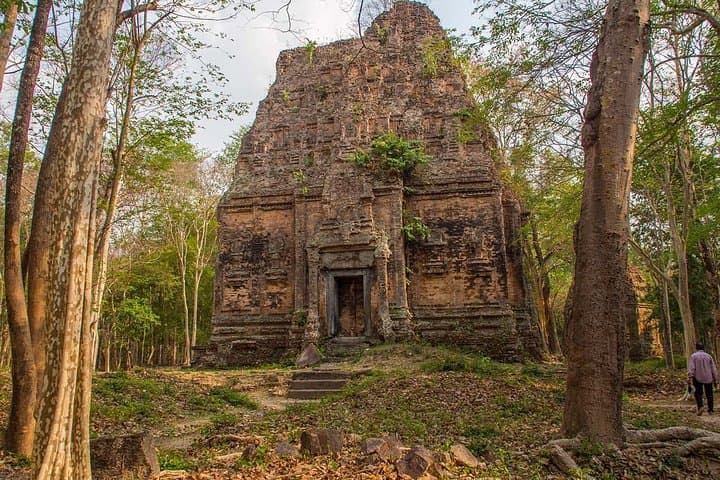
You leave Siem Reap before breakfast, the air cooling as the city slips behind you and red-dust roads lead north toward ancient stone. Trees thin and low hills rise; in the soft light the crumbling towers of Sambor Prei Kuk puncture the skyline—7th-century brickwork grown from the same earthen tones as the soil. The quiet here feels deliberate: roots threading through lintels, carved lintels worn smooth by centuries of wind and rain.
Verified experiences and guided adventures in the surrounding area.
Operated by Join Me Cambodia · Siem Reap, Siem Reap
You leave Siem Reap before breakfast, the air cooling as the city slips behind you and red-dust roads lead north toward ancient stone. Trees thin and low hills rise; in the soft light the crumbling towers of Sambor Prei Kuk puncture the skyline—7th-century brickwork grown from the same earthen tones as the soil. The quiet here feels deliberate: roots threading through lintels, carved lintels worn smooth by centuries of wind and rain.
Sambor Prei Kuk was a major pre-Angkorian city founded by King Isanavarman I and dedicated to Gambhireshvara (a form of Shiva). The site is spread across three main temple groups—A, B and C—with more than a hundred small sanctuaries once connected by causeways. The more recent scars of conflict—bomb craters and minefields cleared only in the 2000s—add a modern layer to the story of survival.
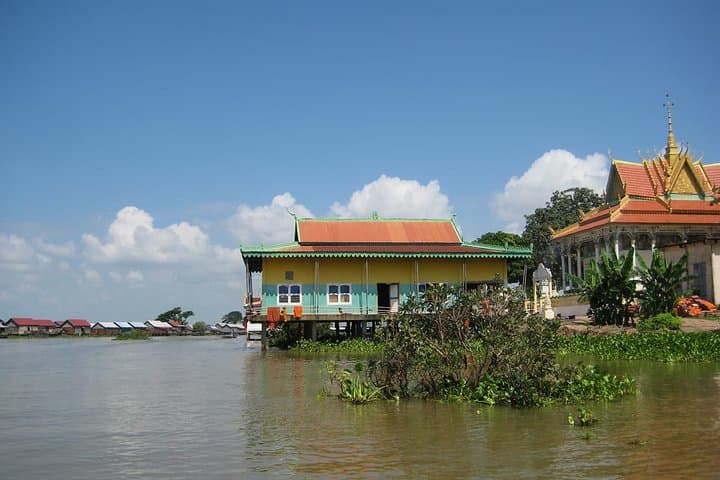
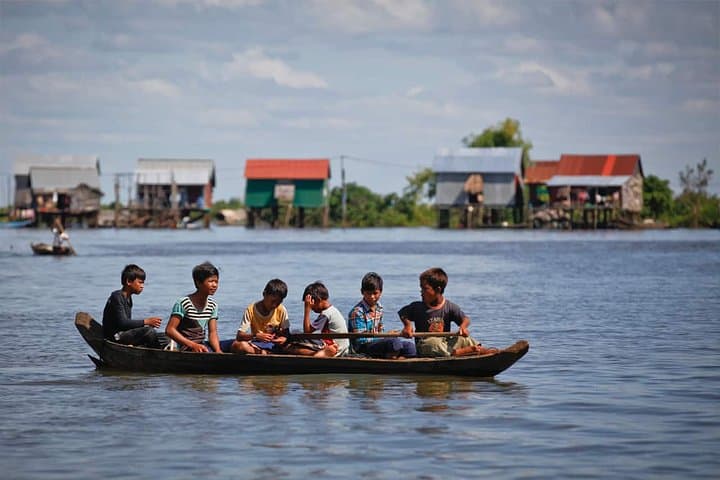
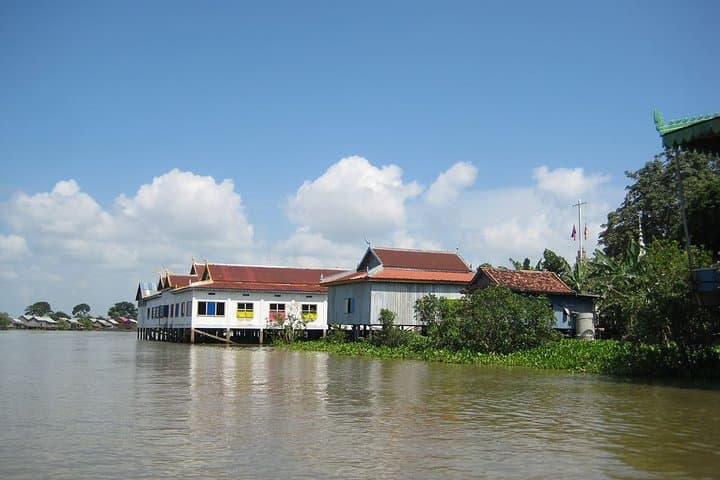
Day two shifts from stone to water as the tour reaches Kampong Khleang on the Tonle Sap. Here, houses perch on stilts in the dry season and truly float in the rains; daily life is staged on long wooden piers and narrow boats. Expect close-up scenes of fishing, seasonal markets and an economy tuned to the lake’s rising and falling pulse.
Practical guide: the route is driven in an air-conditioned van with hotel pickup, suitable for most fitness levels. Wear sturdy shoes for uneven temple grounds, bring sun protection and insect repellent, and carry small Cambodian riels for local purchases. Best visited in the dry season (November–April) for easier walking at Sambor Prei Kuk; the wet season transforms Tonle Sap into a high-water spectacle but can make roads muddier. Respect private homes in floating villages, ask before photographing people, and plan a flexible schedule—water levels and local rhythms will set the pace.
easy.
2 days.
Suitable for travelers in basic to good physical condition; involves short walks on uneven ground and boarding small boats.
It’s roughly a 1–1.5 hour drive each way depending on traffic and road conditions; the tour uses an air-conditioned vehicle with hotel pickup.
Local boat transfers are typically arranged on-site; confirm with the operator whether boats and fees are included or paid locally.
Yes—physical demands are low, but parents should prepare for hot sun, boat transfers, and limited restroom facilities in villages.
Sambor Prei Kuk and main visitor areas have been demined and are open to tourists; follow guides’ instructions and stay on marked paths.
Sambor Prei Kuk was a 7th-century capital of the pre-Angkorian Chenla kingdom, with over a hundred temples dedicated to Hindu deities; the region later bore damage from 20th-century conflicts and was demined in the 2000s.
Tonle Sap is a UNESCO biosphere reserve with seasonal floodplain fisheries critical to Cambodia’s food system; community-led tourism helps local economies but visit with minimal plastic and respect local fishing seasons.
Join Me Cambodia operates guided outdoor trips and adventures with an emphasis on safety, stewardship, and memorable experiences.
You leave Siem Reap before breakfast, the air cooling as the city slips behind you and red-dust roads lead north toward ancient stone. Trees thin and low hills rise; in the soft light the crumbling towers of Sambor Prei Kuk puncture the skyline—7th-century brickwork grown from the same earthen tones as the soil. The quiet here feels deliberate: roots threading through lintels, carved lintels worn smooth by centuries of wind and rain.
You leave Siem Reap before breakfast, the air cooling as the city slips behind you and red-dust roads lead north toward ancient stone. Trees thin and low hills rise; in the soft light the crumbling towers of Sambor Prei Kuk puncture the skyline—7th-century brickwork grown from the same earthen tones as the soil. The quiet here feels deliberate: roots threading through lintels, carved lintels worn smooth by centuries of wind and rain.
Sambor Prei Kuk was a major pre-Angkorian city founded by King Isanavarman I and dedicated to Gambhireshvara (a form of Shiva). The site is spread across three main temple groups—A, B and C—with more than a hundred small sanctuaries once connected by causeways. The more recent scars of conflict—bomb craters and minefields cleared only in the 2000s—add a modern layer to the story of survival.
Day two shifts from stone to water as the tour reaches Kampong Khleang on the Tonle Sap. Here, houses perch on stilts in the dry season and truly float in the rains; daily life is staged on long wooden piers and narrow boats. Expect close-up scenes of fishing, seasonal markets and an economy tuned to the lake’s rising and falling pulse.
Practical guide: the route is driven in an air-conditioned van with hotel pickup, suitable for most fitness levels. Wear sturdy shoes for uneven temple grounds, bring sun protection and insect repellent, and carry small Cambodian riels for local purchases. Best visited in the dry season (November–April) for easier walking at Sambor Prei Kuk; the wet season transforms Tonle Sap into a high-water spectacle but can make roads muddier. Respect private homes in floating villages, ask before photographing people, and plan a flexible schedule—water levels and local rhythms will set the pace.