THE ADVENTURE COLLECTIVE® · Independent discovery and booking for outdoor travel

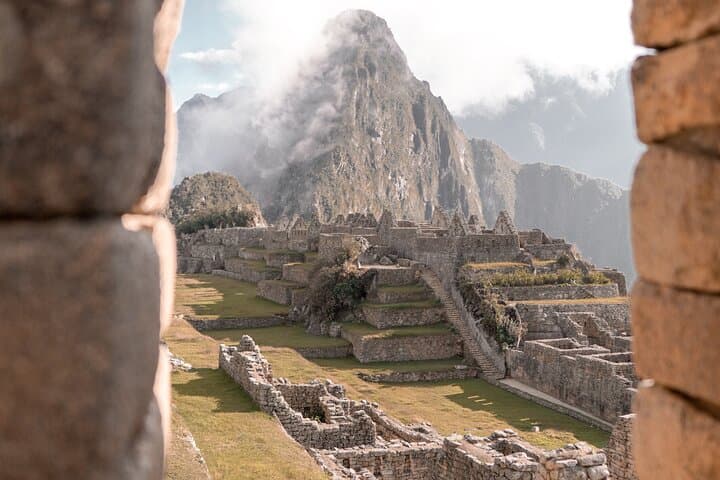
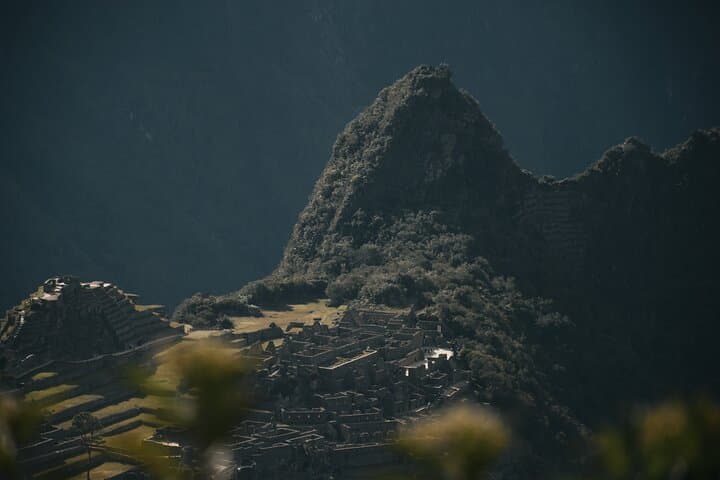
Short on time but eager to hike the classic route? This two-day Inca Trail from Cusco combines cloud-forest walking, Inca sites like Wiñay Wayna and the Sungate reveal at Inti Punku with an early morning arrival at Machu Picchu. Fast-paced, scenic and historically rich.
Short on time but eager to hike the classic route? This two-day Inca Trail from Cusco combines cloud-forest walking, Inca sites like Wiñay Wayna and the Sungate reveal at Inti Punku with an early morning arrival at Machu Picchu. Fast-paced, scenic and historically rich.
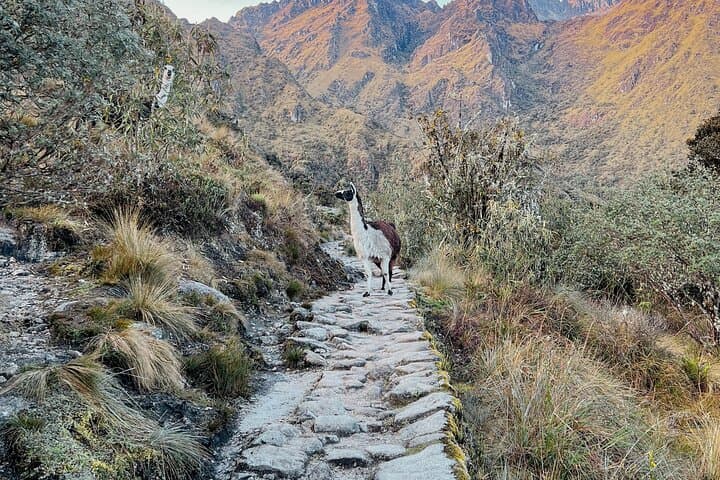
Dawn in Cusco feels like a held breath—cool air, streets still, and a bus loaded with hikers pushing out toward the Sacred Valley. By midmorning the tourist train eases into the station at Km 104, and the trail threads into the cloud forest where moss and orchids press close to the stone path.
Verified experiences and guided adventures in the surrounding area.
Operated by Kawsay Travel Peru · Aguas Calientes, Cusco
Dawn in Cusco feels like a held breath—cool air, streets still, and a bus loaded with hikers pushing out toward the Sacred Valley. By midmorning the tourist train eases into the station at Km 104, and the trail threads into the cloud forest where moss and orchids press close to the stone path.
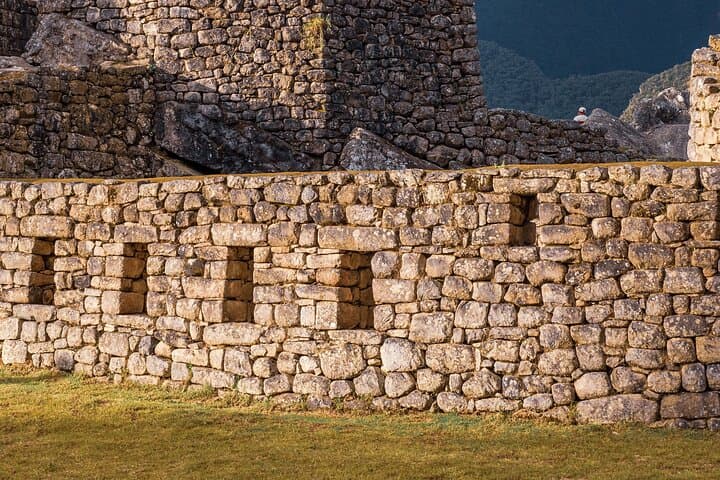
The Short Inca Trail compresses centuries of Andean history into two days. You walk on stone stairways cut by Inca hands, past Chachabamba’s ritual altar and up to Wiñay Wayna, an agricultural and residential complex perched on a steep slope. Geology governs the route: granite outcrops, river-carved gorges and steep terraces that channel rain and anchor settlements.
Quechua-speaking communities and the legacy of Inca engineering are visible at every turn—agricultural terraces, water channels and ceremonial platforms that still draw local offerings. Aguas Calientes, at valley floor level, grew around the hot springs that give the town its name and now supports visitors with hotels and restaurants.
Practical side: expect 7–8 hours of walking on day one with a cumulative ascent of roughly 400–600 m and steep stone steps; day two begins early with a 25-minute bus to Machu Picchu and a 2–3 hour guided circuit, leaving time for independent exploration. Permits and Machu Picchu entry are included with guided trips but carry your passport for verification. Altitude is a real factor—spend at least 24–48 hours in Cusco to acclimatize, carry water, rain protection and layered clothing, and limit pack weight. Trains and permits sell out in high season; book ahead to secure the dates you want.
challenging.
2 days (approx. 7–8 hours hiking day 1; 2–4 hours day 2 including guided tour).
Good cardiovascular fitness with experience on long day hikes and ability to handle steep stone steps at high altitude.
Yes—permits for the Inca Trail and Machu Picchu entry are required and are typically included when booking a guided two-day tour; passports are checked for permit validation.
The trail involves sustained uphill sections and many stone steps up to Wiñay Wayna; prior acclimatization in Cusco and a moderate-to-good fitness level make the route much more comfortable.
No—the two-day itinerary stays one night in Aguas Calientes with an ensuite hotel room included rather than camping on the trail.
Possibly—those summit tickets are limited and must be booked in advance; notify your operator if you want a summit slot so they can arrange permits.
The Inca Trail was an imperial pathway linking settlements and ceremonial centers; stonework and terraces along the route reflect centralized planning and ritual routes.
Trail permits limit daily numbers to reduce erosion and crowding—stick to marked paths, avoid littering and support operators that employ local porters and sustainable practices.
Kawsay Travel Peru operates guided outdoor trips and adventures with an emphasis on safety, stewardship, and memorable experiences.
Dawn in Cusco feels like a held breath—cool air, streets still, and a bus loaded with hikers pushing out toward the Sacred Valley. By midmorning the tourist train eases into the station at Km 104, and the trail threads into the cloud forest where moss and orchids press close to the stone path.
Dawn in Cusco feels like a held breath—cool air, streets still, and a bus loaded with hikers pushing out toward the Sacred Valley. By midmorning the tourist train eases into the station at Km 104, and the trail threads into the cloud forest where moss and orchids press close to the stone path.
The Short Inca Trail compresses centuries of Andean history into two days. You walk on stone stairways cut by Inca hands, past Chachabamba’s ritual altar and up to Wiñay Wayna, an agricultural and residential complex perched on a steep slope. Geology governs the route: granite outcrops, river-carved gorges and steep terraces that channel rain and anchor settlements.
Quechua-speaking communities and the legacy of Inca engineering are visible at every turn—agricultural terraces, water channels and ceremonial platforms that still draw local offerings. Aguas Calientes, at valley floor level, grew around the hot springs that give the town its name and now supports visitors with hotels and restaurants.
Practical side: expect 7–8 hours of walking on day one with a cumulative ascent of roughly 400–600 m and steep stone steps; day two begins early with a 25-minute bus to Machu Picchu and a 2–3 hour guided circuit, leaving time for independent exploration. Permits and Machu Picchu entry are included with guided trips but carry your passport for verification. Altitude is a real factor—spend at least 24–48 hours in Cusco to acclimatize, carry water, rain protection and layered clothing, and limit pack weight. Trains and permits sell out in high season; book ahead to secure the dates you want.