THE ADVENTURE COLLECTIVE® · Independent discovery and booking for outdoor travel

Cross from Samarkand into Tajikistan and hike the vivid Seven Lakes and Kulikalon basin over two days. Expect high‑alpine colors, simple guesthouse stays, and 12 km of scenic trekking to roughly 3,100 m.
Cross from Samarkand into Tajikistan and hike the vivid Seven Lakes and Kulikalon basin over two days. Expect high‑alpine colors, simple guesthouse stays, and 12 km of scenic trekking to roughly 3,100 m.
The trail opens with a long ribbon of road running away from Samarkand, then the landscape tightens into folded ridges and the air thins. By late morning you cross into Tajikistan, the handover felt in language and a sudden uptick in stone walls and shepherd tracks. The Seven Lakes sit like a chain of colored beads in a high cirque; each basin holds a different tone from emerald to cobalt, fringed by cliffs that throw back whole mountains in the lake surface.
Verified experiences and guided adventures in the surrounding area.
Operated by TRIP ORIENT · Panjakent, Sughd Region
The trail opens with a long ribbon of road running away from Samarkand, then the landscape tightens into folded ridges and the air thins. By late morning you cross into Tajikistan, the handover felt in language and a sudden uptick in stone walls and shepherd tracks. The Seven Lakes sit like a chain of colored beads in a high cirque; each basin holds a different tone from emerald to cobalt, fringed by cliffs that throw back whole mountains in the lake surface.
These lakes are carved by Pleistocene glaciation and fed by seasonal melt from the Zeravshan and Fann ranges; local legends explain the colors through tales of buried fire and mountain spirits. Panjakent’s bazaars and ruins anchor a Silk Road past, while villages such as Artuch keep a living alpine culture—guesthouses, shared meals, and stories passed around the stove.
Expect two days of steady walking rather than technical mountaineering: short steep pitches, scree approaches, and grassy benches for picnics. The second day’s Kulikalon circuit climbs from roughly 2,700 m to about 3,100 m, offering broad panoramas and close views of waterfalls and wildflowers.
Practical edge: travel with a local guide for border logistics and route-finding, carry layered clothing for sharp temperature swings, and acclimatize if you’ve come straight from low elevations. Waterproof footwear and a daypack with water, snacks, and a warm layer will make the difference between a long snapshot and a memorable summit-side lunch. Photographers should plan for early light and wind‑calm mornings when the lakes behave like glass.
moderate.
2 days (approx. 6–8 hours total hiking).
Suitable for hikers in good walking condition; ability to handle uphill sections and uneven ground for several hours.
Visa requirements vary by nationality; check current regulations before travel and travel with your passport—your guide will assist at the crossing.
It’s a steady alpine hike of about 12 km round trip with 400 m of elevation gain to roughly 3,100 m; competent walkers will find it challenging but non‑technical.
Nights are in a local guesthouse or family home in Artuch with shared or private options; amenities are basic but include home‑cooked meals.
Not recommended for those with serious mobility limitations or spinal/heart conditions due to altitude, rough terrain, and border crossing on foot.
The area sits near Panjakent—an ancient Silk Road town with Sogdian ruins; mountain passes here have linked Central Asian valleys for millennia.
Alpine meadows are fragile—stick to established paths, avoid disturbing wildflowers, and pack out waste; local guides help minimize visitor impact.
TRIP ORIENT operates guided outdoor trips and adventures with an emphasis on safety, stewardship, and memorable experiences.
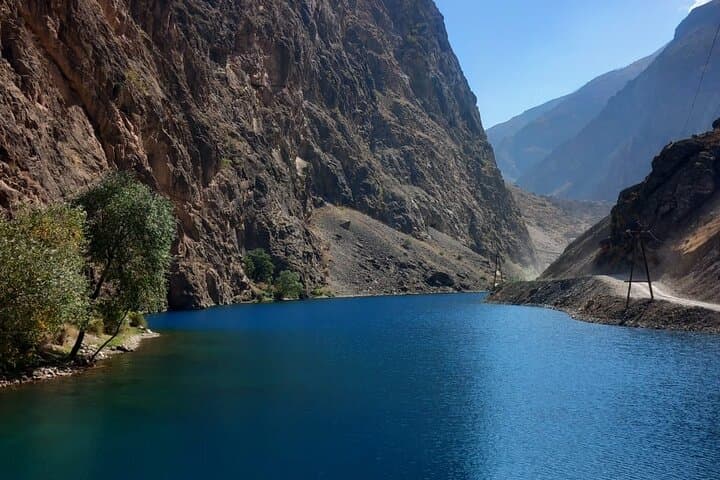
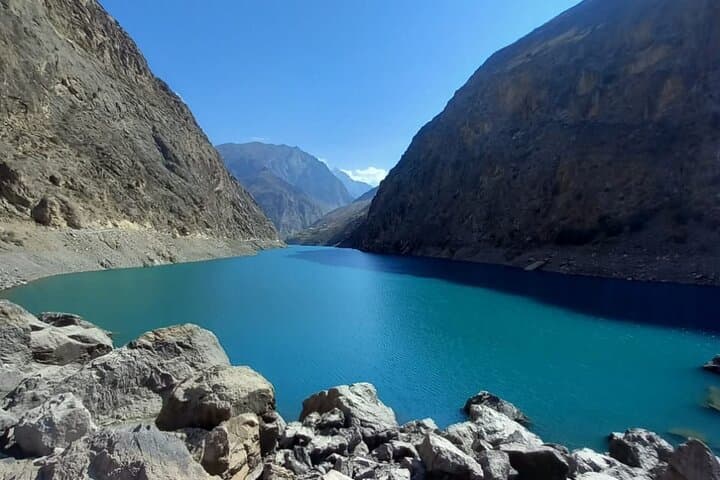
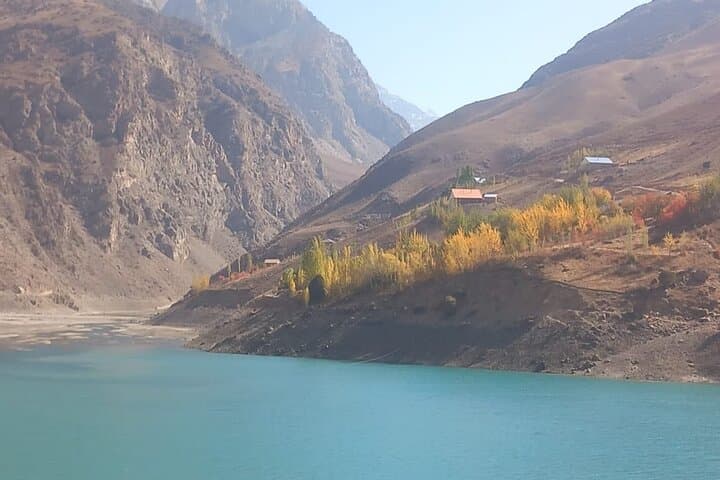
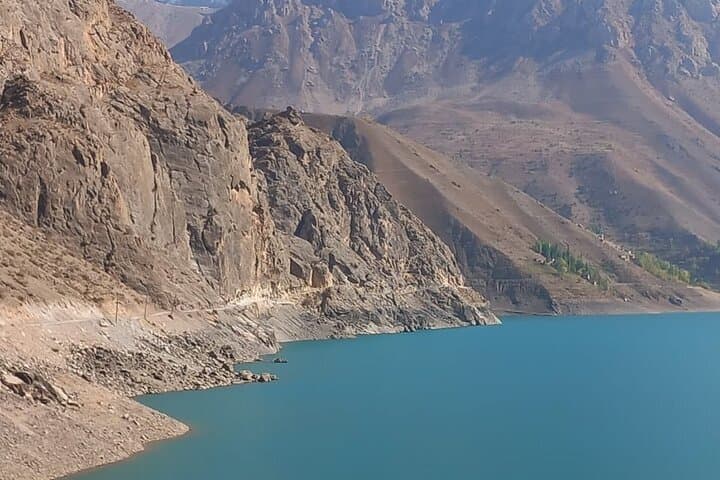
The trail opens with a long ribbon of road running away from Samarkand, then the landscape tightens into folded ridges and the air thins. By late morning you cross into Tajikistan, the handover felt in language and a sudden uptick in stone walls and shepherd tracks. The Seven Lakes sit like a chain of colored beads in a high cirque; each basin holds a different tone from emerald to cobalt, fringed by cliffs that throw back whole mountains in the lake surface.
The trail opens with a long ribbon of road running away from Samarkand, then the landscape tightens into folded ridges and the air thins. By late morning you cross into Tajikistan, the handover felt in language and a sudden uptick in stone walls and shepherd tracks. The Seven Lakes sit like a chain of colored beads in a high cirque; each basin holds a different tone from emerald to cobalt, fringed by cliffs that throw back whole mountains in the lake surface.
These lakes are carved by Pleistocene glaciation and fed by seasonal melt from the Zeravshan and Fann ranges; local legends explain the colors through tales of buried fire and mountain spirits. Panjakent’s bazaars and ruins anchor a Silk Road past, while villages such as Artuch keep a living alpine culture—guesthouses, shared meals, and stories passed around the stove.
Expect two days of steady walking rather than technical mountaineering: short steep pitches, scree approaches, and grassy benches for picnics. The second day’s Kulikalon circuit climbs from roughly 2,700 m to about 3,100 m, offering broad panoramas and close views of waterfalls and wildflowers.
Practical edge: travel with a local guide for border logistics and route-finding, carry layered clothing for sharp temperature swings, and acclimatize if you’ve come straight from low elevations. Waterproof footwear and a daypack with water, snacks, and a warm layer will make the difference between a long snapshot and a memorable summit-side lunch. Photographers should plan for early light and wind‑calm mornings when the lakes behave like glass.