THE ADVENTURE COLLECTIVE® · Independent discovery and booking for outdoor travel

Cross from Samarkand into Tajikistan for a compact two-day loop through Panjakent, the UNESCO site of Sarazm, and the color-shifting Seven Lakes of the Fann Mountains. Expect short hikes, a local guesthouse stay, and high-country views with practical, passport-ready planning.
Cross from Samarkand into Tajikistan for a compact two-day loop through Panjakent, the UNESCO site of Sarazm, and the color-shifting Seven Lakes of the Fann Mountains. Expect short hikes, a local guesthouse stay, and high-country views with practical, passport-ready planning.
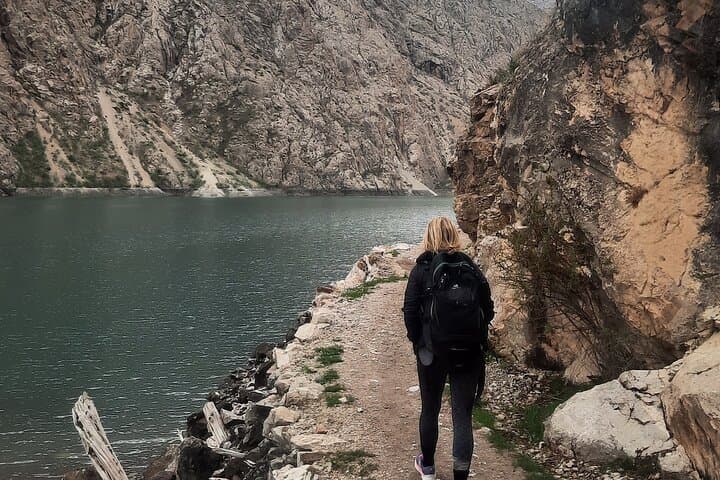
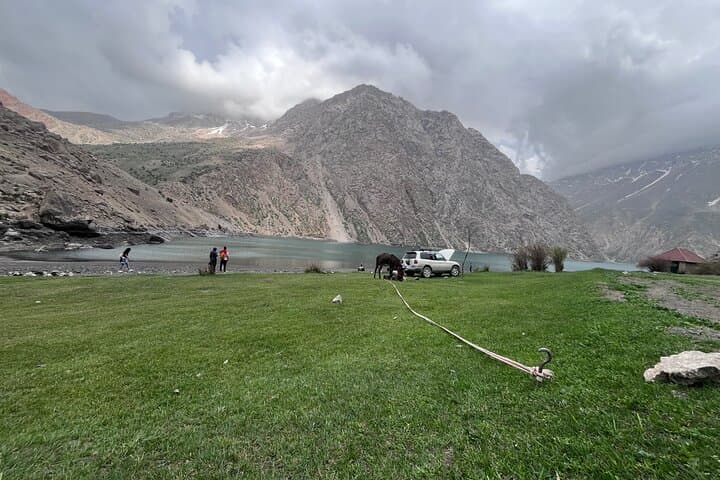
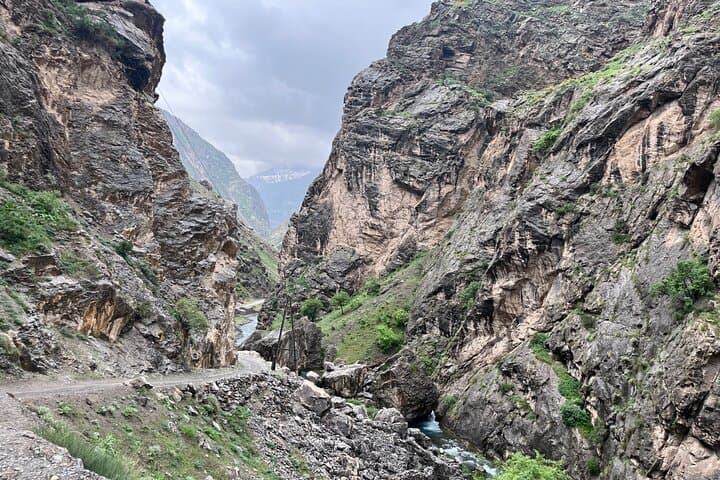
A cold wind cuts over the pass as the minivan drops into a green valley and the first turquoise flash of the Seven Lakes appears between granite ridges. Travelers arrive by road from Samarkand, cross into Tajikistan, and feel the landscape change: agricultural terraces and low villages give way to steep scree slopes and alpine meadows.
Verified experiences and guided adventures in the surrounding area.
Operated by Explore Pamir · Panjakent, Sughd
A cold wind cuts over the pass as the minivan drops into a green valley and the first turquoise flash of the Seven Lakes appears between granite ridges. Travelers arrive by road from Samarkand, cross into Tajikistan, and feel the landscape change: agricultural terraces and low villages give way to steep scree slopes and alpine meadows.
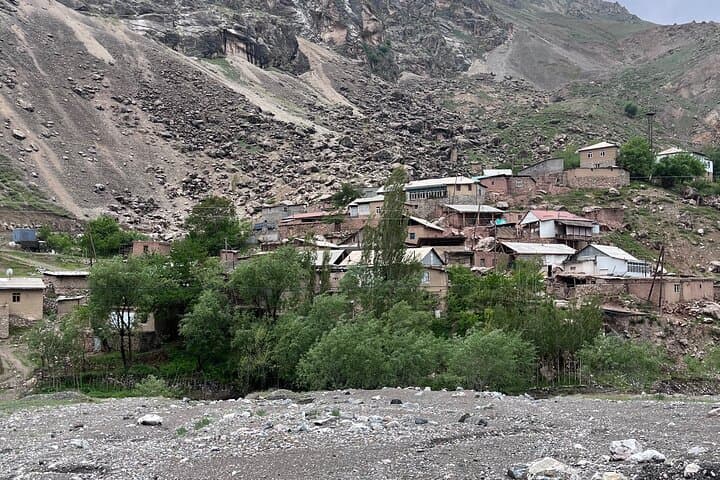
The route threads past Panjakent, an ancient Silk Road settlement whose adobe streets sit beneath views of the Fann range. Nearby are the UNESCO-listed ruins of Sarazm, one of Central Asia’s earliest farming communities, whose mud-brick foundations speak to 4th–3rd millennium BCE life in this corridor. Geologically, the Fann Mountains are forged from uplifted Paleozoic rock—sharp cirques and moraine-locked basins create the small, jewel-toned lakes that follow one after another.
Culturally, the overnight in a local guesthouse highlights Tajik hospitality: shared plov, black tea, and stories with hosts who keep mountain rhythms. Expect trails that alternate between rocky, uneven paths and grassy switchbacks; elevation at lake viewpoints can rise a few hundred meters and is manageable with steady pacing.
Practical guidance: carry your passport and check visa requirements before crossing the border, pack layered clothing for high diurnal swings, and bring at least 2 liters of water per day. Early starts avoid afternoon wind and give the best light on the lakes. Hikes are short to moderate—suitable for fit travelers who can handle uneven terrain and basic alpine footing.
This two-day loop blends cultural stops, shoreline walks, and short summit lookouts—an efficient way to experience the Fann Mountains without technical climbing.
moderate.
2 days.
Suitable for travelers with moderate fitness who can handle 4–6 hours of mixed walking across two days and short uphill sections.
Visa requirements depend on nationality—check current embassy guidance well before travel and carry necessary documents; the guide will assist with border procedures.
Hikes are generally short to moderate with uneven terrain; they require good footwear and basic fitness but no technical climbing skills.
Overnight is in a local guesthouse offering traditional home-cooked meals and simple rooms—expect comfortable, rustic facilities rather than hotels.
Elevations at lake viewpoints are typically a few hundred meters above valley floor; most travelers feel only minor effects, but pace yourself and hydrate.
Panjakent was a major Sogdian center on the Silk Road; nearby Sarazm is an archaeological site dating back to the 4th millennium BCE, showing early agricultural settlement.
The Fann Mountains are fragile alpine ecosystems—stick to established trails, avoid littering, and use guesthouse services to support local communities.
Explore Pamir operates guided outdoor trips and adventures with an emphasis on safety, stewardship, and memorable experiences.
A cold wind cuts over the pass as the minivan drops into a green valley and the first turquoise flash of the Seven Lakes appears between granite ridges. Travelers arrive by road from Samarkand, cross into Tajikistan, and feel the landscape change: agricultural terraces and low villages give way to steep scree slopes and alpine meadows.
A cold wind cuts over the pass as the minivan drops into a green valley and the first turquoise flash of the Seven Lakes appears between granite ridges. Travelers arrive by road from Samarkand, cross into Tajikistan, and feel the landscape change: agricultural terraces and low villages give way to steep scree slopes and alpine meadows.
The route threads past Panjakent, an ancient Silk Road settlement whose adobe streets sit beneath views of the Fann range. Nearby are the UNESCO-listed ruins of Sarazm, one of Central Asia’s earliest farming communities, whose mud-brick foundations speak to 4th–3rd millennium BCE life in this corridor. Geologically, the Fann Mountains are forged from uplifted Paleozoic rock—sharp cirques and moraine-locked basins create the small, jewel-toned lakes that follow one after another.
Culturally, the overnight in a local guesthouse highlights Tajik hospitality: shared plov, black tea, and stories with hosts who keep mountain rhythms. Expect trails that alternate between rocky, uneven paths and grassy switchbacks; elevation at lake viewpoints can rise a few hundred meters and is manageable with steady pacing.
Practical guidance: carry your passport and check visa requirements before crossing the border, pack layered clothing for high diurnal swings, and bring at least 2 liters of water per day. Early starts avoid afternoon wind and give the best light on the lakes. Hikes are short to moderate—suitable for fit travelers who can handle uneven terrain and basic alpine footing.
This two-day loop blends cultural stops, shoreline walks, and short summit lookouts—an efficient way to experience the Fann Mountains without technical climbing.