THE ADVENTURE COLLECTIVE® · Independent discovery and booking for outdoor travel

A compact two-day trek through Sapa’s Muong Hoa valley that ends with an overnight in a Ta Van homestay. Hike terraced fields, meet Tay and H’mong communities, and return to Hanoi by comfortable van.
A compact two-day trek through Sapa’s Muong Hoa valley that ends with an overnight in a Ta Van homestay. Hike terraced fields, meet Tay and H’mong communities, and return to Hanoi by comfortable van.
The trail begins on the lip of a mountain road where mist peels back to reveal stacked rice terraces and a narrow stream that seems to push you forward into the valley. Walkers leave the traffic of Sapa town behind, stepping onto well-worn paths that thread between bamboo groves and the painted tunics of H’mong and Red Dao villagers.
Verified experiences and guided adventures in the surrounding area.
Operated by Local Tours ASIA · Sapa, Lao Cai
The trail begins on the lip of a mountain road where mist peels back to reveal stacked rice terraces and a narrow stream that seems to push you forward into the valley. Walkers leave the traffic of Sapa town behind, stepping onto well-worn paths that thread between bamboo groves and the painted tunics of H’mong and Red Dao villagers.
This two-day loop through Y Linh Ho, Lao Chai, Ta Van and Giang Ta Chai follows the Muong Hoa watershed carved into the Hoang Lien Son range. Geologically the valley is a series of fluvial terraces and granite outcrops; culturally it’s a living landscape—rice cultivation and indigo embroidery still shape daily life here. Ta Van homestays offer private rooms in simple bungalows, an opportunity to learn about Tay hospitality and rural cooking methods.
Expect mostly dirt and stepped terraces underfoot, intermittent wooden bridges, and short, steep pitches rather than long alpine climbs—the route covers roughly 6–10 km of walking across both days, with repeated small elevation changes at around 1,200–1,600 m above sea level. Weather shifts quickly; fog can erase views in minutes and then reveal them again.
Practical notes: travel time from Hanoi is six hours by sleeper bus or limousine van. Pack a waterproof layer, sturdy hiking shoes, and cash for small purchases in villages. Hydrate on the trail and move at a steady pace—local paths reward patience. The homestay night is basic but warm, and an early start on day two offers the clearest light for photos and quieter trails.
moderate.
2 days.
Participants should have moderate fitness—able to walk 4–6 hours in total over uneven terrain with short steep sections.
Day one features several short hikes between villages amounting to a few kilometers of walking; day two includes a focused 4 km trek through rice paddies to Giang Ta Chai—total on-trail distance is roughly 6–10 km across both days.
Homestays in Ta Van are simple private rooms in local bungalows with basic bedding, shared bathrooms in some places, home-cooked meals, and a chance to interact with host families.
Travelers should have moderate mobility; children used to walking and older adults in good health can participate, but the tour is not recommended for those with serious heart or spinal issues.
The tour includes round-trip transport by big sleeper bus or limousine van, departing from Hanoi Old Quarter, with about a six-hour drive each way including breaks.
The Muong Hoa valley has been terraced and farmed by ethnic minorities—H’mong, Tay and Red Dao—over centuries; the patterns of fields reflect traditional land management adapted to steep slopes.
Tourism helps local economies but increases waste and trail erosion; stick to marked paths, avoid single-use plastics, and buy local goods to support village livelihoods.
Local Tours ASIA operates guided outdoor trips and adventures with an emphasis on safety, stewardship, and memorable experiences.


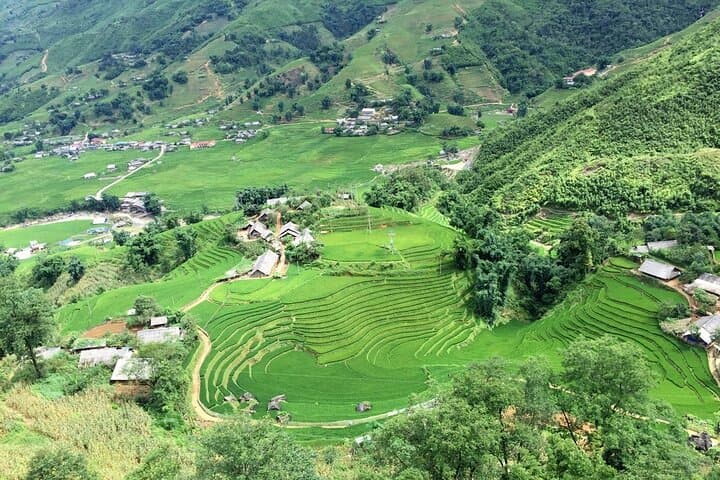
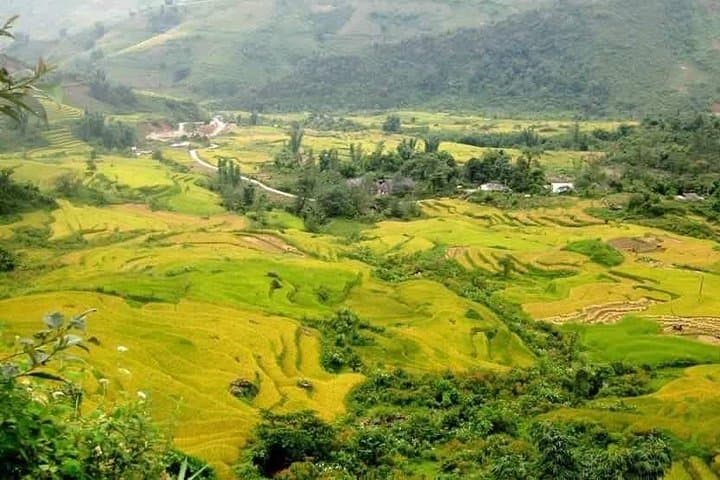
The trail begins on the lip of a mountain road where mist peels back to reveal stacked rice terraces and a narrow stream that seems to push you forward into the valley. Walkers leave the traffic of Sapa town behind, stepping onto well-worn paths that thread between bamboo groves and the painted tunics of H’mong and Red Dao villagers.
The trail begins on the lip of a mountain road where mist peels back to reveal stacked rice terraces and a narrow stream that seems to push you forward into the valley. Walkers leave the traffic of Sapa town behind, stepping onto well-worn paths that thread between bamboo groves and the painted tunics of H’mong and Red Dao villagers.
This two-day loop through Y Linh Ho, Lao Chai, Ta Van and Giang Ta Chai follows the Muong Hoa watershed carved into the Hoang Lien Son range. Geologically the valley is a series of fluvial terraces and granite outcrops; culturally it’s a living landscape—rice cultivation and indigo embroidery still shape daily life here. Ta Van homestays offer private rooms in simple bungalows, an opportunity to learn about Tay hospitality and rural cooking methods.
Expect mostly dirt and stepped terraces underfoot, intermittent wooden bridges, and short, steep pitches rather than long alpine climbs—the route covers roughly 6–10 km of walking across both days, with repeated small elevation changes at around 1,200–1,600 m above sea level. Weather shifts quickly; fog can erase views in minutes and then reveal them again.
Practical notes: travel time from Hanoi is six hours by sleeper bus or limousine van. Pack a waterproof layer, sturdy hiking shoes, and cash for small purchases in villages. Hydrate on the trail and move at a steady pace—local paths reward patience. The homestay night is basic but warm, and an early start on day two offers the clearest light for photos and quieter trails.