THE ADVENTURE COLLECTIVE® · Independent discovery and booking for outdoor travel

Cross the Aegean, drop into Santorini’s caldera towns and watch the world-famous sunset in Oia on this compact two-day escape from Athens. Expect ferry time, caldera rim walks, volcanic beaches and local wines.
Cross the Aegean, drop into Santorini’s caldera towns and watch the world-famous sunset in Oia on this compact two-day escape from Athens. Expect ferry time, caldera rim walks, volcanic beaches and local wines.
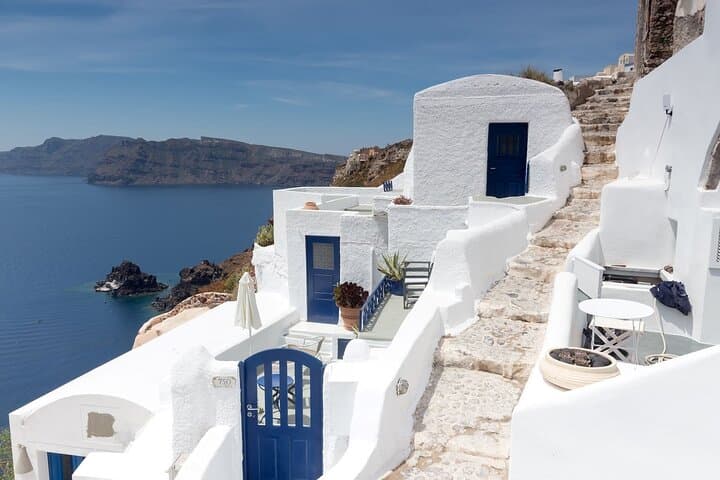
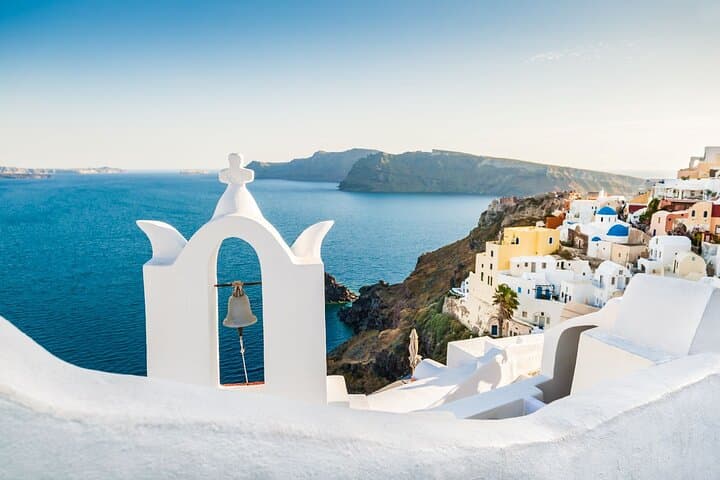
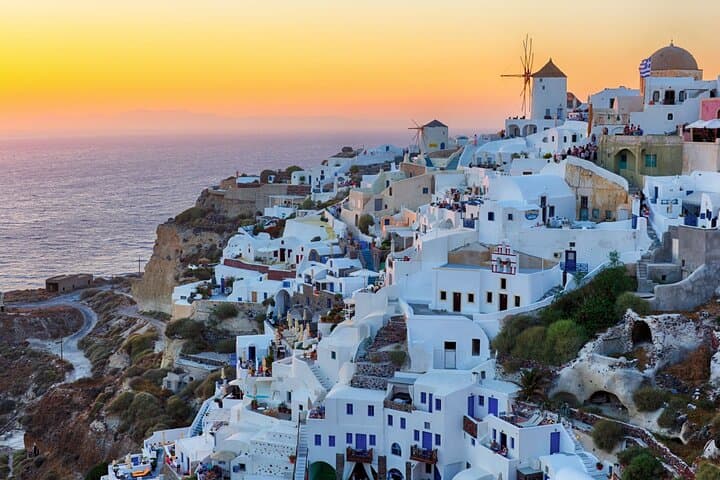
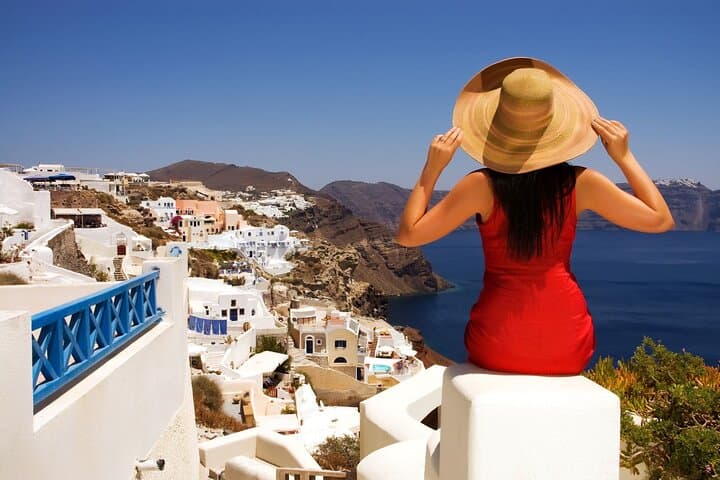
A ferry horn dissolves into the Aegean breeze as you watch the Cycladic cliffs appear on the horizon — white houses stacked like notes on a music sheet, black volcanic rock cutting the water. The first day of this two-day trip unfolds with an early transfer from Athens to the port, a ferry crossing across open blue, and an afternoon dropped into Santorini’s central towns with time to chase the island’s famed sunset in Oia.
Verified experiences and guided adventures in the surrounding area.
Operated by Daily Tours from Athens · Santorini, South Aegean
A ferry horn dissolves into the Aegean breeze as you watch the Cycladic cliffs appear on the horizon — white houses stacked like notes on a music sheet, black volcanic rock cutting the water. The first day of this two-day trip unfolds with an early transfer from Athens to the port, a ferry crossing across open blue, and an afternoon dropped into Santorini’s central towns with time to chase the island’s famed sunset in Oia.
Geology here writes the island’s story: Santorini is a volcanic caldera formed by a massive Minoan eruption around 1600 BCE. Cliffs rise 200–300 meters above sea level where villages perch on narrow rims. Culture mixes fishing-village life with centuries of wine-making — the island’s assyrtiko vines thrive in mineral-rich volcanic soils and produce sharp, citrus-driven whites.
Expect cobblestone lanes, steep carved steps and short caldera walks: the Fira rim stretches a few kilometers of rim-trail, while Oia’s castle walk is a compact 800–1,200 meter stroll with many steps and viewpoints. Beaches are varied — red and black volcanic sands lie a short drive away — and Akrotiri’s archaeological site offers an archaeological counterpoint to the island’s postcard image.
Practical guidance: book ferry seats in advance and choose early departures to maximize daylight; carry motion-sickness meds if you’re sensitive to open-sea ferries. Wear sturdy shoes for uneven cobbles and plan Oia's sunset arrival at least 45–60 minutes early in high season. Bring cash for small tavernas, a refillable water bottle, and a windproof layer — caldera rims catch a steady breeze after sundown.
easy.
2 days (48 hours).
Suitable for travelers in basic walking fitness; expect short hikes, steep steps and cobbled streets.
High-speed ferries typically take about 4.5–5.5 hours; conventional ferries can take 7–9 hours depending on the service and sea conditions.
Yes — the tour provides roundtrip transfers from your Athens hotel to the port and from Santorini port to your hotel, plus return transfers on day two.
Yes — the itinerary includes unescorted free time in Santorini to visit Fira, Oia, beaches, or archaeological sites at your own pace.
Accommodation includes breakfast, but lunches, dinners and site entrance fees (for places like Akrotiri) are typically not included and are paid on-site.
Santorini’s modern shape was carved by a Bronze Age volcanic eruption (~1600 BCE) that created the caldera and buried the ancient settlement of Akrotiri, excavated to reveal well-preserved Minoan-era architecture.
High visitor numbers strain narrow villages and coastal habitats; stick to marked paths, avoid cliff-edge shortcuts and minimize single-use plastics to reduce your footprint.
Daily Tours from Athens operates guided outdoor trips and adventures with an emphasis on safety, stewardship, and memorable experiences.
A ferry horn dissolves into the Aegean breeze as you watch the Cycladic cliffs appear on the horizon — white houses stacked like notes on a music sheet, black volcanic rock cutting the water. The first day of this two-day trip unfolds with an early transfer from Athens to the port, a ferry crossing across open blue, and an afternoon dropped into Santorini’s central towns with time to chase the island’s famed sunset in Oia.
A ferry horn dissolves into the Aegean breeze as you watch the Cycladic cliffs appear on the horizon — white houses stacked like notes on a music sheet, black volcanic rock cutting the water. The first day of this two-day trip unfolds with an early transfer from Athens to the port, a ferry crossing across open blue, and an afternoon dropped into Santorini’s central towns with time to chase the island’s famed sunset in Oia.
Geology here writes the island’s story: Santorini is a volcanic caldera formed by a massive Minoan eruption around 1600 BCE. Cliffs rise 200–300 meters above sea level where villages perch on narrow rims. Culture mixes fishing-village life with centuries of wine-making — the island’s assyrtiko vines thrive in mineral-rich volcanic soils and produce sharp, citrus-driven whites.
Expect cobblestone lanes, steep carved steps and short caldera walks: the Fira rim stretches a few kilometers of rim-trail, while Oia’s castle walk is a compact 800–1,200 meter stroll with many steps and viewpoints. Beaches are varied — red and black volcanic sands lie a short drive away — and Akrotiri’s archaeological site offers an archaeological counterpoint to the island’s postcard image.
Practical guidance: book ferry seats in advance and choose early departures to maximize daylight; carry motion-sickness meds if you’re sensitive to open-sea ferries. Wear sturdy shoes for uneven cobbles and plan Oia's sunset arrival at least 45–60 minutes early in high season. Bring cash for small tavernas, a refillable water bottle, and a windproof layer — caldera rims catch a steady breeze after sundown.