THE ADVENTURE COLLECTIVE® · Independent discovery and booking for outdoor travel

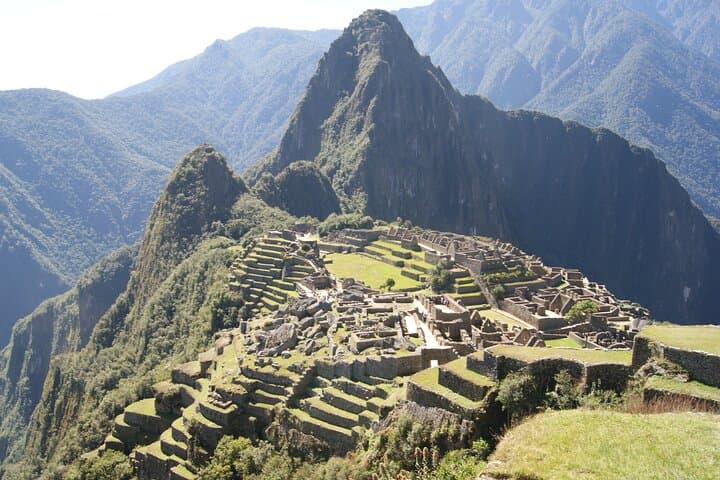
Cover the Sacred Valley’s terraces, salt ponds and Ollantaytambo fortress, then ride the scenic train to Aguas Calientes and climb by bus to Machu Picchu. This 2-day tour compresses essential Andean landscapes and Inca history into a compact, transport-forward itinerary.
Cover the Sacred Valley’s terraces, salt ponds and Ollantaytambo fortress, then ride the scenic train to Aguas Calientes and climb by bus to Machu Picchu. This 2-day tour compresses essential Andean landscapes and Inca history into a compact, transport-forward itinerary.
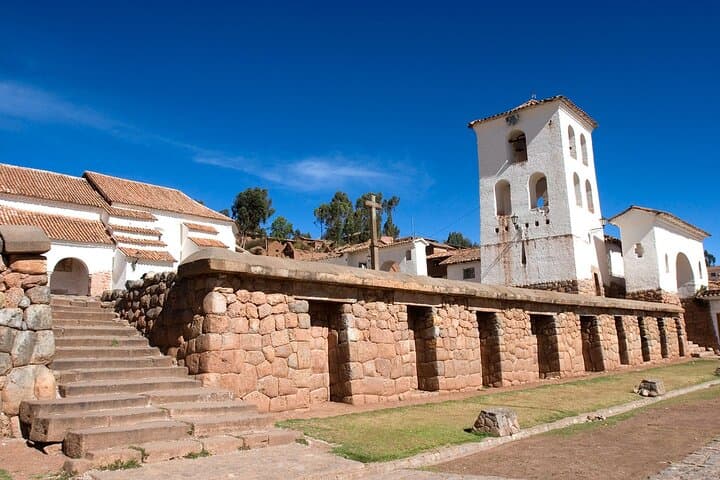
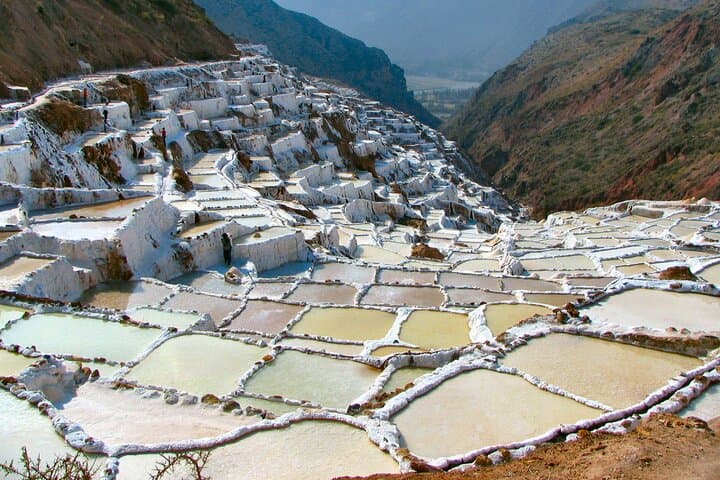
You step off the panoramic train into a thin, cool air that smells of wet stone and cilantro; the valley opens in terraces and sharp ridgelines, a patchwork shaped by centuries of hands and climate. On day one the route threads through Chinchero’s living Inca masonry, past the terrace bowls of Moray where the wind seems to test your balance, then down to the salt ponds of Maras—thousands of geometric basins that glitter like small lakes daring you to count them.
Verified experiences and guided adventures in the surrounding area.
Operated by Suyos Adventure · Cusco, Cusco Region
You step off the panoramic train into a thin, cool air that smells of wet stone and cilantro; the valley opens in terraces and sharp ridgelines, a patchwork shaped by centuries of hands and climate. On day one the route threads through Chinchero’s living Inca masonry, past the terrace bowls of Moray where the wind seems to test your balance, then down to the salt ponds of Maras—thousands of geometric basins that glitter like small lakes daring you to count them.
Geology here is loud: folded Andean strata, quick drainage into the Urubamba River, and steep valley walls that force microclimates. Culturally the Sacred Valley remains Quechua country—markets, woven textiles, and communities who still follow planting calendars the Incas formalized. Ollantaytambo’s fortress gives a sense of strategic engineering—stone blocks set to control the corridor that leads to the citadel.
Practical rhythm: a morning of valley stops and a 3–4 hour train ride to Aguas Calientes, an overnight in town, then a short uphill bus to Machu Picchu for a guided 2–3 hour circuit. Expect cobbled streets, uneven Inca steps and altitude shift between Cusco (3,400 m) and Ollantaytambo (2,800 m).
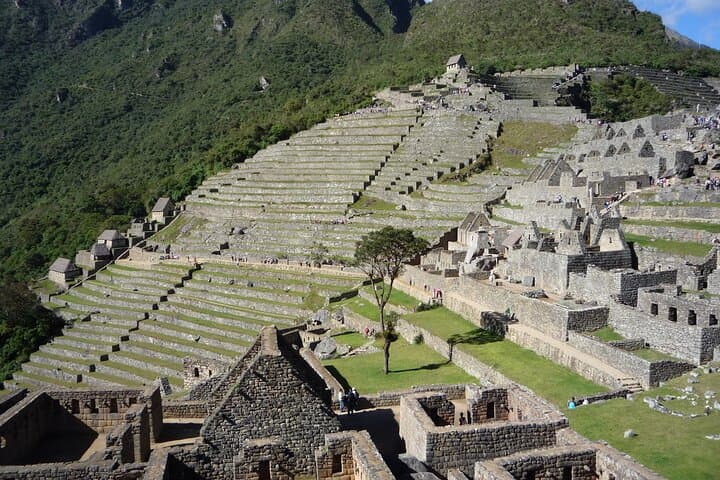
Pack layers, hydrate for altitude and move deliberately on steep sections. Carry your passport for entrance, arrive early to catch the softer light and avoid midday crowds, and allow time to sit and watch the terraces—and the llamas—work their slow choreography. This itinerary balances accessible transport with genuine high-Andean landscape and history, delivering the essential Machu Picchu experience in two focused days.
moderate.
2 days (approx. 48 hours).
Light to moderate fitness recommended; must be able to climb stairs and walk on uneven stone for several hours.
Yes—Machu Picchu tickets are checked against official ID; bring the passport used to book the tour.
Expect 2–3 hours of guided walking on uneven stone and stairs; optional extra hikes (Huayna Picchu) require separate permits.
Cusco sits at 3,400 m; the Sacred Valley is lower but still high—mild symptoms are common; hydrate, rest, and avoid alcohol before strenuous activity.
Basic breakfast and lunch are included per the itinerary; dinner in Aguas Calientes is typically on your own unless otherwise stated.
The valley was a strategic agricultural and administrative heart of the Inca Empire; terracing and irrigation systems here reflect deliberate microclimate management.
Visitor limits and defined paths protect fragile stonework and soils; follow stay-on-trail rules and pack out waste to reduce erosion and cultural damage.
Suyos Adventure operates guided outdoor trips and adventures with an emphasis on safety, stewardship, and memorable experiences.
You step off the panoramic train into a thin, cool air that smells of wet stone and cilantro; the valley opens in terraces and sharp ridgelines, a patchwork shaped by centuries of hands and climate. On day one the route threads through Chinchero’s living Inca masonry, past the terrace bowls of Moray where the wind seems to test your balance, then down to the salt ponds of Maras—thousands of geometric basins that glitter like small lakes daring you to count them.
You step off the panoramic train into a thin, cool air that smells of wet stone and cilantro; the valley opens in terraces and sharp ridgelines, a patchwork shaped by centuries of hands and climate. On day one the route threads through Chinchero’s living Inca masonry, past the terrace bowls of Moray where the wind seems to test your balance, then down to the salt ponds of Maras—thousands of geometric basins that glitter like small lakes daring you to count them.
Geology here is loud: folded Andean strata, quick drainage into the Urubamba River, and steep valley walls that force microclimates. Culturally the Sacred Valley remains Quechua country—markets, woven textiles, and communities who still follow planting calendars the Incas formalized. Ollantaytambo’s fortress gives a sense of strategic engineering—stone blocks set to control the corridor that leads to the citadel.
Practical rhythm: a morning of valley stops and a 3–4 hour train ride to Aguas Calientes, an overnight in town, then a short uphill bus to Machu Picchu for a guided 2–3 hour circuit. Expect cobbled streets, uneven Inca steps and altitude shift between Cusco (3,400 m) and Ollantaytambo (2,800 m).
Pack layers, hydrate for altitude and move deliberately on steep sections. Carry your passport for entrance, arrive early to catch the softer light and avoid midday crowds, and allow time to sit and watch the terraces—and the llamas—work their slow choreography. This itinerary balances accessible transport with genuine high-Andean landscape and history, delivering the essential Machu Picchu experience in two focused days.