THE ADVENTURE COLLECTIVE® · Independent discovery and booking for outdoor travel

A compact, well-paced two-day itinerary through Peru’s Sacred Valley that pairs Inca sites, a scenic train ride, and a guided visit to Machu Picchu. Ideal for travelers who want maximum exposure to Inca culture and mountain scenery in minimal time.
A compact, well-paced two-day itinerary through Peru’s Sacred Valley that pairs Inca sites, a scenic train ride, and a guided visit to Machu Picchu. Ideal for travelers who want maximum exposure to Inca culture and mountain scenery in minimal time.
You step onto the morning train at Ollantaytambo as the valley opens—terraced slopes sliding into the Urubamba River, village roofs shrinking into a ribbon of smoke. The ride to Aguas Calientes is short but cinematic: river bends dare you to look away, cloud-shadows chase the rails, and every curve previews the stonework waiting above.
Verified experiences and guided adventures in the surrounding area.
Operated by Cuzco Travel · Cusco, Cusco Region
You step onto the morning train at Ollantaytambo as the valley opens—terraced slopes sliding into the Urubamba River, village roofs shrinking into a ribbon of smoke. The ride to Aguas Calientes is short but cinematic: river bends dare you to look away, cloud-shadows chase the rails, and every curve previews the stonework waiting above.
This two-day route threads Inca lifeways and mountain geology. The Sacred Valley was an agricultural and ceremonial core for the Inca state; places like Pisac and Ollantaytambo show terraces, irrigation channels and fortress-like urban planning carved into volcanic and metamorphic bedrock. Machu Picchu sits on a granite ridge where tectonic uplift and river incision created the dramatic citadel shelf. Quechua-speaking communities still tend fields and markets, keeping textile and craft traditions visible at Pisac and local hamlets.
Practically, expect early departures, a full day of roadside stops in the valley, an overnight in Aguas Calientes, and a guided 3-hour exploration of Machu Picchu with stairs, uneven stone paths, and short steep sections. Elevations vary: Cusco ~3,400 m, Ollantaytambo ~2,800 m, Machu Picchu ~2,430 m—plan for altitude by hydrating and avoiding heavy exertion before day one.
Bring a printed passport for entry, a lightweight rain layer (clouds and showers are common), solid footwear for cobbled terraces, and a camera with extra batteries—the light shifts fast. Time your visit for early morning or late afternoon to avoid crowds and see the citadel’s contours sharpen against the Andes.
moderate.
2 days (approx. 48 hours).
Moderate—able to walk several hours on uneven stone steps and short steep climbs; basic aerobic fitness recommended to handle altitude.
Yes—entrance tickets are time-sloted and often sell out; buy them before arrival and carry the passport used for booking.
Machupicchu and many Sacred Valley sites have uneven stone steps and steep stretches; visitors with limited mobility may find access challenging.
Yes, but those hikes require separate permits with limited daily quotas—reserve early and be prepared for steep, exposed ascent.
Symptoms are common above 2,500 m; acclimatize in Cusco, stay hydrated, eat lightly, and consider medication like acetazolamide after consulting your doctor.
The Sacred Valley was a production and ceremonial heart of the Inca state—its microclimates supported diverse crops and sustained Cusco’s elite through engineered terraces and irrigation.
Visitor limits at Machu Picchu and controlled trails aim to reduce erosion and overcrowding; stick to marked paths and avoid touching fragile stonework.
Cuzco Travel operates guided outdoor trips and adventures with an emphasis on safety, stewardship, and memorable experiences.
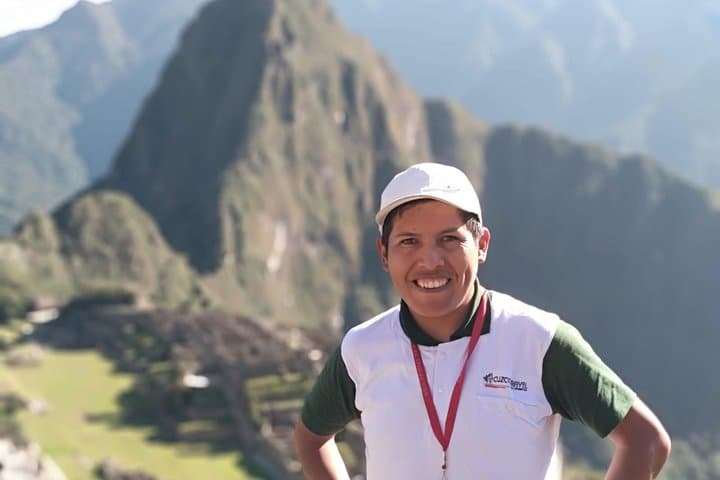
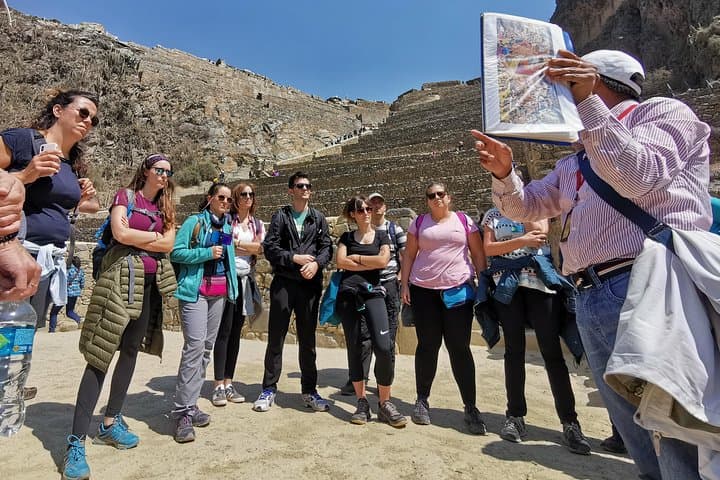
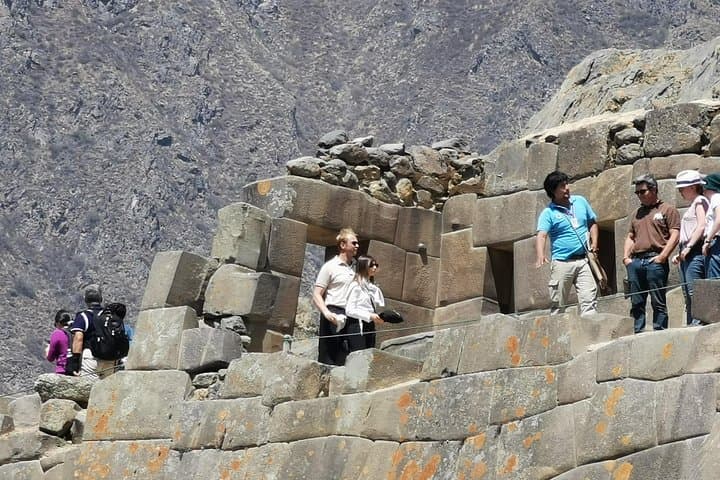
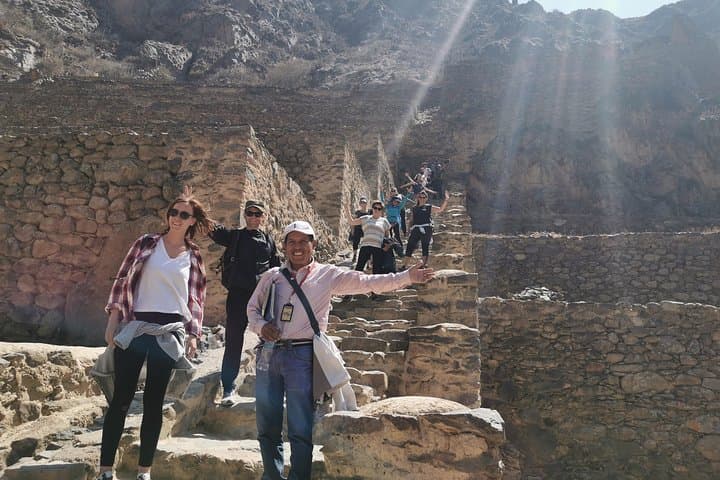
You step onto the morning train at Ollantaytambo as the valley opens—terraced slopes sliding into the Urubamba River, village roofs shrinking into a ribbon of smoke. The ride to Aguas Calientes is short but cinematic: river bends dare you to look away, cloud-shadows chase the rails, and every curve previews the stonework waiting above.
You step onto the morning train at Ollantaytambo as the valley opens—terraced slopes sliding into the Urubamba River, village roofs shrinking into a ribbon of smoke. The ride to Aguas Calientes is short but cinematic: river bends dare you to look away, cloud-shadows chase the rails, and every curve previews the stonework waiting above.
This two-day route threads Inca lifeways and mountain geology. The Sacred Valley was an agricultural and ceremonial core for the Inca state; places like Pisac and Ollantaytambo show terraces, irrigation channels and fortress-like urban planning carved into volcanic and metamorphic bedrock. Machu Picchu sits on a granite ridge where tectonic uplift and river incision created the dramatic citadel shelf. Quechua-speaking communities still tend fields and markets, keeping textile and craft traditions visible at Pisac and local hamlets.
Practically, expect early departures, a full day of roadside stops in the valley, an overnight in Aguas Calientes, and a guided 3-hour exploration of Machu Picchu with stairs, uneven stone paths, and short steep sections. Elevations vary: Cusco ~3,400 m, Ollantaytambo ~2,800 m, Machu Picchu ~2,430 m—plan for altitude by hydrating and avoiding heavy exertion before day one.
Bring a printed passport for entry, a lightweight rain layer (clouds and showers are common), solid footwear for cobbled terraces, and a camera with extra batteries—the light shifts fast. Time your visit for early morning or late afternoon to avoid crowds and see the citadel’s contours sharpen against the Andes.