THE ADVENTURE COLLECTIVE® · Independent discovery and booking for outdoor travel

Two days of classic Inca highlights: explore Pisac and Ollantaytambo in the Sacred Valley, ride the train to Aguas Calientes and take a guided tour of Machu Picchu. Ideal for travelers short on time who want central logistics handled.
Two days of classic Inca highlights: explore Pisac and Ollantaytambo in the Sacred Valley, ride the train to Aguas Calientes and take a guided tour of Machu Picchu. Ideal for travelers short on time who want central logistics handled.
You step off the train into Aguas Calientes with mist clinging to the river and the stone city above like something testing the morning light.
Verified experiences and guided adventures in the surrounding area.
Operated by LIBERTREK PERU TRAVEL · Aguas Calientes (Machu Picchu town), Cusco
You step off the train into Aguas Calientes with mist clinging to the river and the stone city above like something testing the morning light.
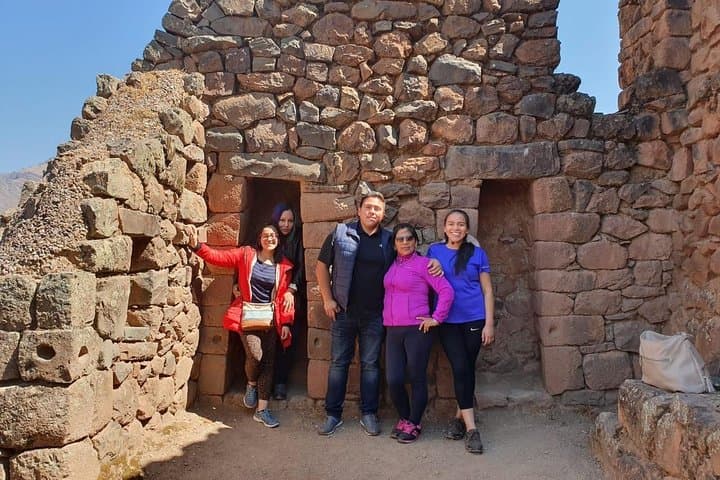
The itinerary stitches together two of the Cusco region’s most magnetic chapters: the agricultural terraces and living towns of the Sacred Valley and the high-altitude citadel of Machu Picchu. On day one the route follows the Vilcanota River through shifting colors of field and cliff, stopping at Pisac’s mountaintop citadel—where finely cut terraces and funerary niches reveal Inca land management—and the market below where handwoven textiles and carved queros sit beside stallholders’ stories.
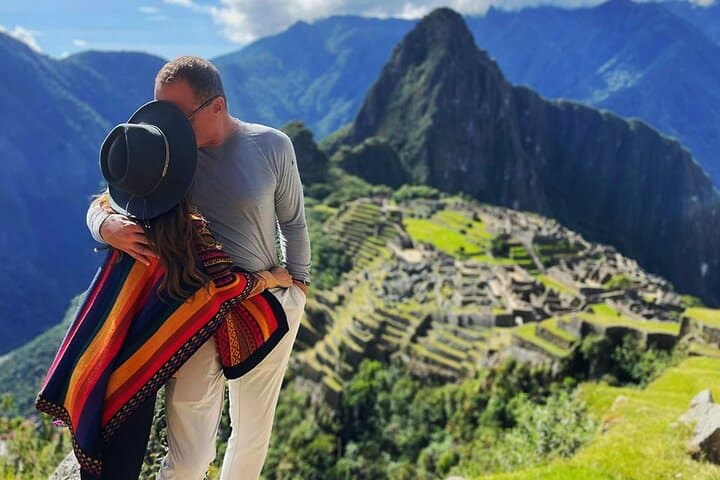
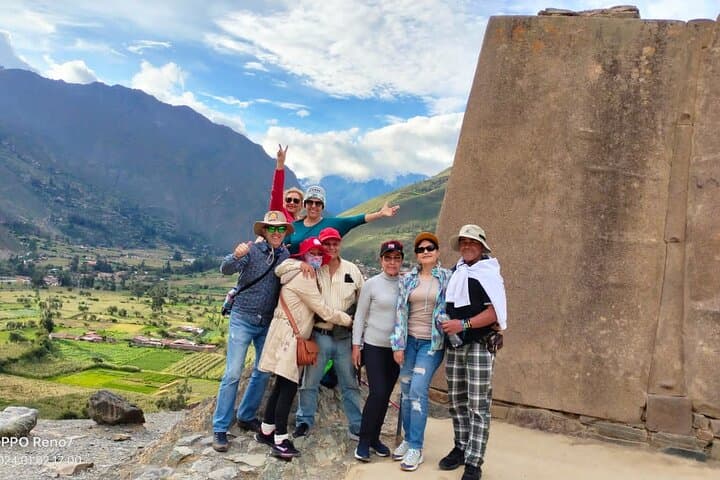
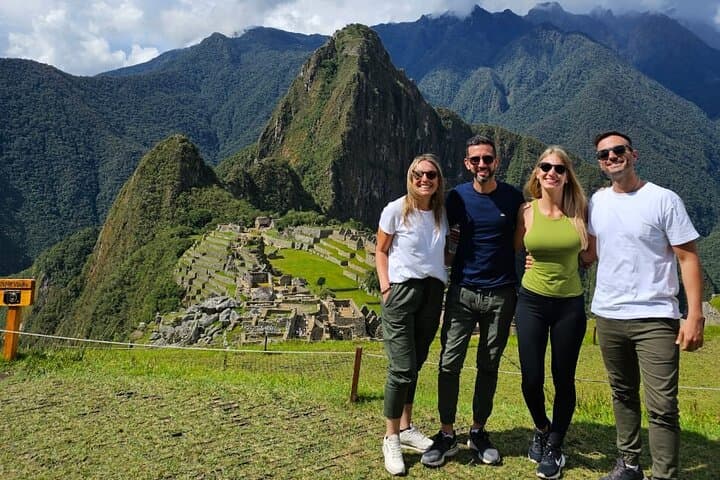
Ollantaytambo’s fortress later shows Inca urban planning in a still-inhabited grid of stone streets and steep terraces, a functional gateway that sent trains onward to Aguas Calientes. On day two the bus climbs the switchbacks to Machu Picchu: the guided circuit covers the Main Plaza, Temple of the Three Windows and residential sectors while the mist and sun play across carved stone.
Geology here is active: folded Andean rock, river-cut valleys and the microclimates that made terrace agriculture essential. Culturally, the valley remained a food-producing backbone for the empire; today communities conserve weaving and crop varieties.
Practical edge: altitude moves slowly—plan an easy first day in Cusco, hydrate, and bring a light rain layer. Expect many stairs and uneven stone; quality footwear and a passport for entry checks are non-negotiable. Trains, bus tickets and entrance are included with this itinerary, so focus on pacing, snacks and leaving time for Aguas Calientes’ hot springs or an early return train if you want a quieter descent.
moderate.
2 days.
Suitable for regular walkers who can handle stairs and short uphill sections; allow for reduced exertion at altitude.
Yes—this tour includes the round-trip train between Ollantaytambo and Aguas Calientes and the bus between Aguas Calientes and Machu Picchu.
Altitude can affect anyone; plan a rest day in Cusco beforehand, hydrate, avoid heavy alcohol and consider prophylactics after consulting your doctor.
Bring your passport—the entrance ticket is linked to your ID and will be checked at the site and on transport.
Yes—there’s time on day two for lunch and an optional visit to the town’s hot springs before the afternoon train back to Ollantaytambo.
Machu Picchu was built in the mid-15th century and later abandoned during Spanish conquest; the Sacred Valley supplied grain and tubers that sustained Inca settlements.
Visitor limits and guided routes help protect fragile stonework and vegetation—stay on marked paths, pack out waste and support certified local guides.
LIBERTREK PERU TRAVEL operates guided outdoor trips and adventures with an emphasis on safety, stewardship, and memorable experiences.
You step off the train into Aguas Calientes with mist clinging to the river and the stone city above like something testing the morning light.
You step off the train into Aguas Calientes with mist clinging to the river and the stone city above like something testing the morning light.
The itinerary stitches together two of the Cusco region’s most magnetic chapters: the agricultural terraces and living towns of the Sacred Valley and the high-altitude citadel of Machu Picchu. On day one the route follows the Vilcanota River through shifting colors of field and cliff, stopping at Pisac’s mountaintop citadel—where finely cut terraces and funerary niches reveal Inca land management—and the market below where handwoven textiles and carved queros sit beside stallholders’ stories.
Ollantaytambo’s fortress later shows Inca urban planning in a still-inhabited grid of stone streets and steep terraces, a functional gateway that sent trains onward to Aguas Calientes. On day two the bus climbs the switchbacks to Machu Picchu: the guided circuit covers the Main Plaza, Temple of the Three Windows and residential sectors while the mist and sun play across carved stone.
Geology here is active: folded Andean rock, river-cut valleys and the microclimates that made terrace agriculture essential. Culturally, the valley remained a food-producing backbone for the empire; today communities conserve weaving and crop varieties.
Practical edge: altitude moves slowly—plan an easy first day in Cusco, hydrate, and bring a light rain layer. Expect many stairs and uneven stone; quality footwear and a passport for entry checks are non-negotiable. Trains, bus tickets and entrance are included with this itinerary, so focus on pacing, snacks and leaving time for Aguas Calientes’ hot springs or an early return train if you want a quieter descent.