THE ADVENTURE COLLECTIVE® · Independent discovery and booking for outdoor travel

A compact 2D/1N itinerary that pairs the Sacred Valley’s living Inca sites with a guided visit to Machu Picchu. Ideal for travelers short on time who want a curated, comfort-forward experience with transport, guide and one night in Aguas Calientes included.
A compact 2D/1N itinerary that pairs the Sacred Valley’s living Inca sites with a guided visit to Machu Picchu. Ideal for travelers short on time who want a curated, comfort-forward experience with transport, guide and one night in Aguas Calientes included.
You leave early from Cusco as thin mountain air tightens around you and the city drops behind a rim of red-tiled roofs. The van threads down into the Sacred Valley, where terraced fields and river canyons open and the Andes begin to breathe warmer, greener air. Women in woven shawls demonstrate dyeing and spinning in Chinchero; stone circles at Moray slope like an ancient amphitheater of experiments in temperature and crops.
Verified experiences and guided adventures in the surrounding area.
Operated by Cabtours · Cusco, Cusco Region
You leave early from Cusco as thin mountain air tightens around you and the city drops behind a rim of red-tiled roofs. The van threads down into the Sacred Valley, where terraced fields and river canyons open and the Andes begin to breathe warmer, greener air. Women in woven shawls demonstrate dyeing and spinning in Chinchero; stone circles at Moray slope like an ancient amphitheater of experiments in temperature and crops.
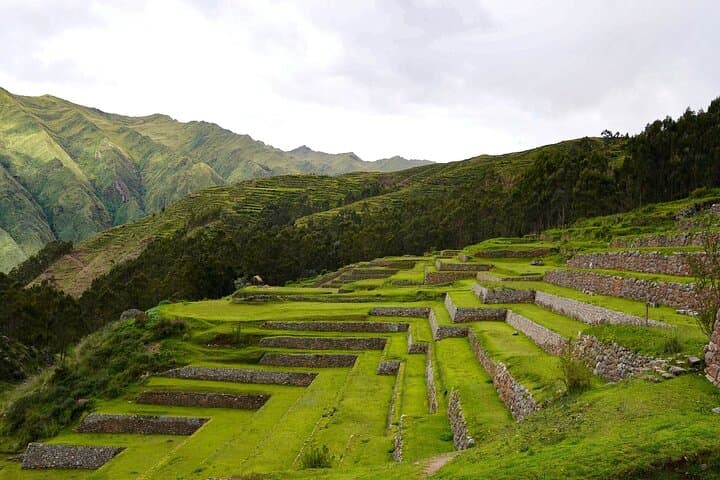
The story here is Inca engineering: irrigation channels, stepped terraces, and fortress-temples at Ollantaytambo that guarded access to the highlands. Geology is obvious in the layered walls and steep river cuts—rock and soil shaped by uplift and a long, wet season—while the valley’s microclimates explain why the Incas diversified crops here.
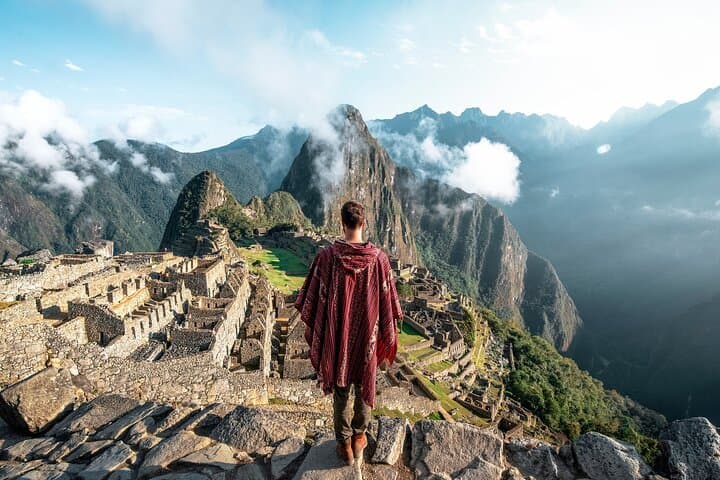
Practicalities arrive with the rhythm of the itinerary. After a buffet lunch in Urubamba you board the late-afternoon train to Aguas Calientes and sleep overnight at ~2,000 m. Next morning a 25–30 minute bus climb delivers you to Machu Picchu (≈2,430 m) for a guided 2–3 hour exploration across uneven stone steps, narrow terraces and viewpoints that demand steady footing.
Plan at least one day in Cusco before this trip to acclimatize; pack sun protection and rain layers, bring your passport for entrance, and expect moderate walking on cobbles and steps. If you want more time on site, check train schedules and ticket availability in advance—permits to enter Machu Picchu are limited and can fill up quickly.
moderate.
2 days / 1 night.
Suitable for travelers with basic fitness; involves walking 2–3 hours on stone terraces and steps at altitude.
Entrance is included subject to availability; bookings often require your passport details and can be limited to specific time slots.
Expect 2–3 hours of guided walking at Machu Picchu on uneven stone paths plus shorter walks at Sacred Valley sites—moderate fitness is recommended.
Trains allow limited luggage—check size and weight restrictions in advance; overnight essentials should be in a carry-on for ease.
Spend at least one night in Cusco before the tour, stay hydrated, avoid alcohol, and consult a doctor about preventive medication if you have concerns.
The route follows core Inca infrastructure—agricultural labs at Moray, textile traditions in Chinchero, and the defensive terraces of Ollantaytambo linked to the Tahuantinsuyo.
Visitor numbers at Machu Picchu are regulated and paths are enforced; stick to trails, pack out waste, and avoid drones to protect fragile ecosystems.
Cabtours operates guided outdoor trips and adventures with an emphasis on safety, stewardship, and memorable experiences.
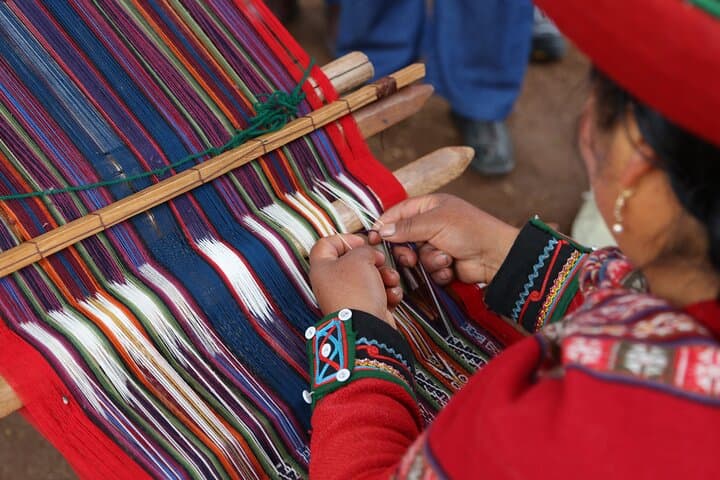
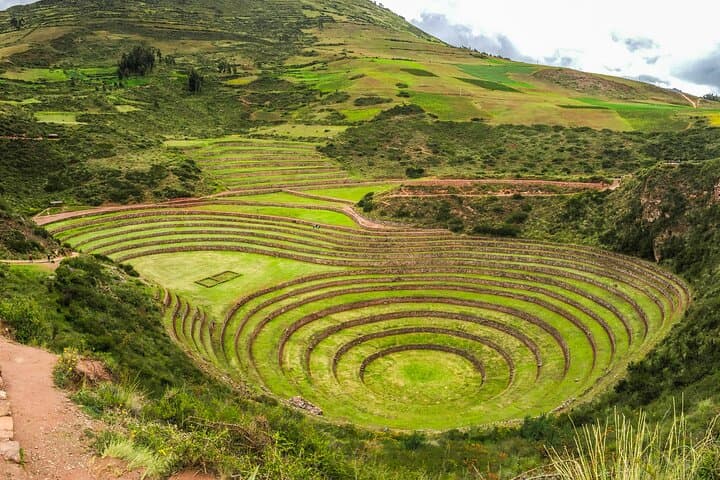
You leave early from Cusco as thin mountain air tightens around you and the city drops behind a rim of red-tiled roofs. The van threads down into the Sacred Valley, where terraced fields and river canyons open and the Andes begin to breathe warmer, greener air. Women in woven shawls demonstrate dyeing and spinning in Chinchero; stone circles at Moray slope like an ancient amphitheater of experiments in temperature and crops.
You leave early from Cusco as thin mountain air tightens around you and the city drops behind a rim of red-tiled roofs. The van threads down into the Sacred Valley, where terraced fields and river canyons open and the Andes begin to breathe warmer, greener air. Women in woven shawls demonstrate dyeing and spinning in Chinchero; stone circles at Moray slope like an ancient amphitheater of experiments in temperature and crops.
The story here is Inca engineering: irrigation channels, stepped terraces, and fortress-temples at Ollantaytambo that guarded access to the highlands. Geology is obvious in the layered walls and steep river cuts—rock and soil shaped by uplift and a long, wet season—while the valley’s microclimates explain why the Incas diversified crops here.
Practicalities arrive with the rhythm of the itinerary. After a buffet lunch in Urubamba you board the late-afternoon train to Aguas Calientes and sleep overnight at ~2,000 m. Next morning a 25–30 minute bus climb delivers you to Machu Picchu (≈2,430 m) for a guided 2–3 hour exploration across uneven stone steps, narrow terraces and viewpoints that demand steady footing.
Plan at least one day in Cusco before this trip to acclimatize; pack sun protection and rain layers, bring your passport for entrance, and expect moderate walking on cobbles and steps. If you want more time on site, check train schedules and ticket availability in advance—permits to enter Machu Picchu are limited and can fill up quickly.