THE ADVENTURE COLLECTIVE® · Independent discovery and booking for outdoor travel

Two days of Andean peaks, Inca terraces and the cloud-kissed citadel of Machu Picchu. This private itinerary from Cusco pairs panoramic train travel with guided exploration of the Sacred Valley and a night in Aguas Calientes.
Two days of Andean peaks, Inca terraces and the cloud-kissed citadel of Machu Picchu. This private itinerary from Cusco pairs panoramic train travel with guided exploration of the Sacred Valley and a night in Aguas Calientes.
Dawn in Cusco arrives thin and bright, the plaza empty except for vendors packing woven hats into crates. You board a panoramic Vistadome train that eases along the Urubamba River, mountains pressing close, the valley air daring you to breathe deeper. The first day unfolds across Inca terraces at Pisac, the textile demonstrations at Awana Kancha, and the stepped fortifications of Ollantaytambo—stonework that still reads like a map of agricultural and ceremonial life.
Verified experiences and guided adventures in the surrounding area.
Operated by Grand America · Aguas Calientes, Cusco Region
Dawn in Cusco arrives thin and bright, the plaza empty except for vendors packing woven hats into crates. You board a panoramic Vistadome train that eases along the Urubamba River, mountains pressing close, the valley air daring you to breathe deeper. The first day unfolds across Inca terraces at Pisac, the textile demonstrations at Awana Kancha, and the stepped fortifications of Ollantaytambo—stonework that still reads like a map of agricultural and ceremonial life.
This route threads Inca history with Andean geology: uplifted granite and river-cut valleys rising to terraces hewn into slopes for frost management. Quechua-speaking communities still farm many of those terraces; markets in Pisac and Ollantaytambo sell hand-dyed alpaca and woven garments tied to centuries-old techniques. The overnight in Aguas Calientes positions you under the cloud forest that shelters Machu Picchu.
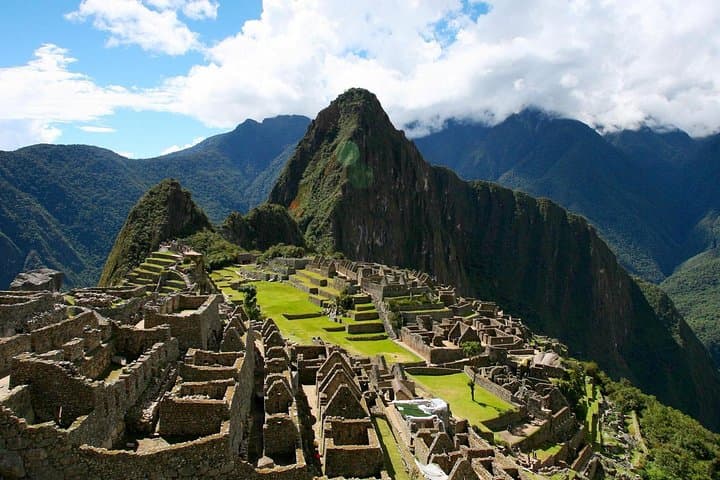
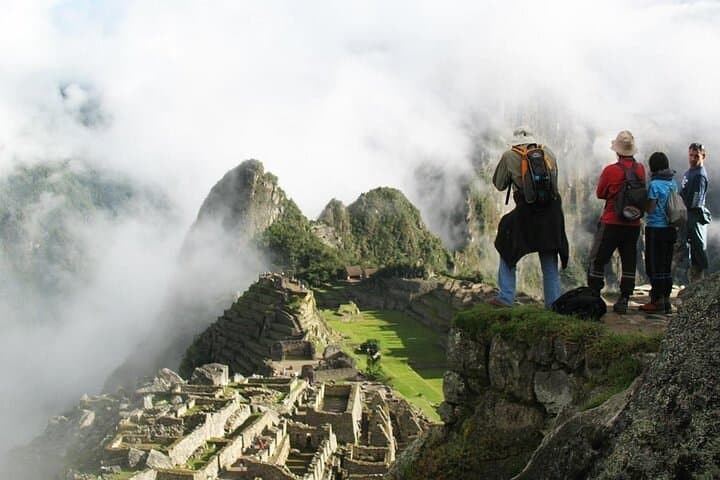
On day two a private guide walks you through stairways and plazas, explaining the Temple of the Sun, the Temple of the Condor, and the site's astronomical alignments while terraces and cloud occasionally exchange places. Expect steep stone steps and narrow paths, short stretches of flat walking, and vantage points that reward early arrival with clearer light.
Practicalities: carry a valid passport, allow time to acclimatize in Cusco (3,400 m), bring waterproof layers and sturdy footwear, and reserve train and Machu Picchu tickets in advance. The tour includes train Vistadome, private guiding, admissions, one night in Aguas Calientes, and meals as listed—ideal for travelers who want a focused, efficient immersion in the Sacred Valley and Machu Picchu.
moderate.
2 days.
Comfortable with sustained walking and stair climbing; some participants may need to move slowly on steep sections.
This itinerary includes the admission fee for Machu Picchu, the panoramic Vistadome train segment, and specified meals—confirm exact inclusions at booking.
Yes. A current valid passport with the same name used for booking is required for train and park entry.
Expect lots of short steep stairways and uneven stone; people should be comfortable with stair climbing and 2–4 hours of walking at a relaxed pace.
Most operators provide luggage transfer or storage at your Cusco hotel or at the Ollantaytambo station—confirm baggage limits before you travel.
Machu Picchu was constructed in the 15th century during the reign of Pachacuti and served as a religious and agricultural complex tied to Inca statecraft.
Visitor numbers to Machu Picchu are managed through timed entries—stick to designated paths, avoid single-use plastics, and support local guides and artisans to ensure tourism benefits communities.
Grand America operates guided outdoor trips and adventures with an emphasis on safety, stewardship, and memorable experiences.
Dawn in Cusco arrives thin and bright, the plaza empty except for vendors packing woven hats into crates. You board a panoramic Vistadome train that eases along the Urubamba River, mountains pressing close, the valley air daring you to breathe deeper. The first day unfolds across Inca terraces at Pisac, the textile demonstrations at Awana Kancha, and the stepped fortifications of Ollantaytambo—stonework that still reads like a map of agricultural and ceremonial life.
Dawn in Cusco arrives thin and bright, the plaza empty except for vendors packing woven hats into crates. You board a panoramic Vistadome train that eases along the Urubamba River, mountains pressing close, the valley air daring you to breathe deeper. The first day unfolds across Inca terraces at Pisac, the textile demonstrations at Awana Kancha, and the stepped fortifications of Ollantaytambo—stonework that still reads like a map of agricultural and ceremonial life.
This route threads Inca history with Andean geology: uplifted granite and river-cut valleys rising to terraces hewn into slopes for frost management. Quechua-speaking communities still farm many of those terraces; markets in Pisac and Ollantaytambo sell hand-dyed alpaca and woven garments tied to centuries-old techniques. The overnight in Aguas Calientes positions you under the cloud forest that shelters Machu Picchu.
On day two a private guide walks you through stairways and plazas, explaining the Temple of the Sun, the Temple of the Condor, and the site's astronomical alignments while terraces and cloud occasionally exchange places. Expect steep stone steps and narrow paths, short stretches of flat walking, and vantage points that reward early arrival with clearer light.
Practicalities: carry a valid passport, allow time to acclimatize in Cusco (3,400 m), bring waterproof layers and sturdy footwear, and reserve train and Machu Picchu tickets in advance. The tour includes train Vistadome, private guiding, admissions, one night in Aguas Calientes, and meals as listed—ideal for travelers who want a focused, efficient immersion in the Sacred Valley and Machu Picchu.