THE ADVENTURE COLLECTIVE® · Independent discovery and booking for outdoor travel

Spend two days moving from Pisaq’s terraces and Ollantaytambo’s living streets to an overnight in Aguas Calientes and a guided visit to Machu Picchu. This compact loop combines archaeology, scenic train travel and practical logistics for first-time visitors.
Spend two days moving from Pisaq’s terraces and Ollantaytambo’s living streets to an overnight in Aguas Calientes and a guided visit to Machu Picchu. This compact loop combines archaeology, scenic train travel and practical logistics for first-time visitors.
Dawn in the Sacred Valley smells of damp earth and toasted corn; terraces step down the slopes like held breaths. On day one a guide meets the group in Cusco and the bus threads through high Andean farmland toward Pisaq’s stone platforms and its lively artisan market—alpaca textiles and hand-carved ceramics crowd wooden stalls while the Urubamba River below dares you to follow its cut through the valley.
Verified experiences and guided adventures in the surrounding area.
Operated by Aventuras EcotrekPeru Tour Operador · Aguas Calientes, Cusco
Dawn in the Sacred Valley smells of damp earth and toasted corn; terraces step down the slopes like held breaths. On day one a guide meets the group in Cusco and the bus threads through high Andean farmland toward Pisaq’s stone platforms and its lively artisan market—alpaca textiles and hand-carved ceramics crowd wooden stalls while the Urubamba River below dares you to follow its cut through the valley.
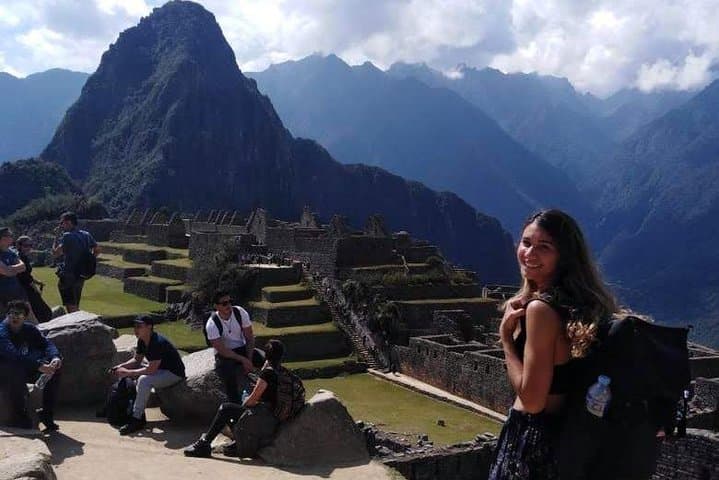
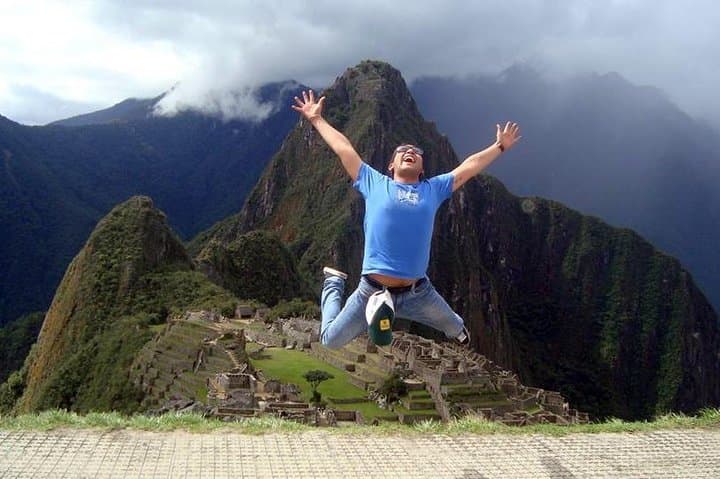
This itinerary stitches together Inca urbanism and imperial engineering: Pisaq’s agricultural terraces, the living streets of Ollantaytambo with its water-fed fountains, and the train ride through cloud-dusted gorge into Aguas Calientes. Machu Picchu, built in the 15th century, crowns the experience on day two—an architectural grid of terraces, temples and carved stone that responds to seismic slopes and seasonal rains.
Expect steep cobbled paths, altitude that tugs at breath, and two hours of guided exploration in the citadel. The route includes a bus transfer from Aguas Calientes up to the Sanctuary, entrance to Machu Picchu, roundtrip trains between Ollantaytambo and Aguas Calientes, and one hotel night.
Practical edge: reserve Huayna Picchu early if you want the ridge view; passports are required for identity checks; wear sturdy shoes with good traction and layer for quick temperature swings. Hydrate and spend a day in Cusco beforehand to reduce altitude strain. Trains and entry slots sell out—book both before arrival. This two-day loop balances cultural context and kinetic travel: history underfoot, mountain air pushing you forward.
moderate.
2 days.
Moderate fitness; able to walk on uneven cobbles and climb short steep sections at altitude.
Yes—your passport is required to match the name on the Machu Picchu entrance and train tickets.
No—Huayna Picchu requires a separate ticket and must be booked ahead; the climb adds about 2 hours round-trip.
Expect 1.5–3 miles of walking over uneven stone paths during the guided visit with short steep sections.
This tour returns to Cusco by train on day two; schedule depends on train availability and selected return route (Ollantaytambo or Cusco).
Machu Picchu was constructed in the mid-15th century and functioned as a royal estate and ritual center tied to Inca route networks through the Urubamba valley.
Visitor limits, timed entry and strict trail routing protect fragile stonework and highland ecosystems; stick to marked paths and carry out waste.
Aventuras EcotrekPeru Tour Operador operates guided outdoor trips and adventures with an emphasis on safety, stewardship, and memorable experiences.
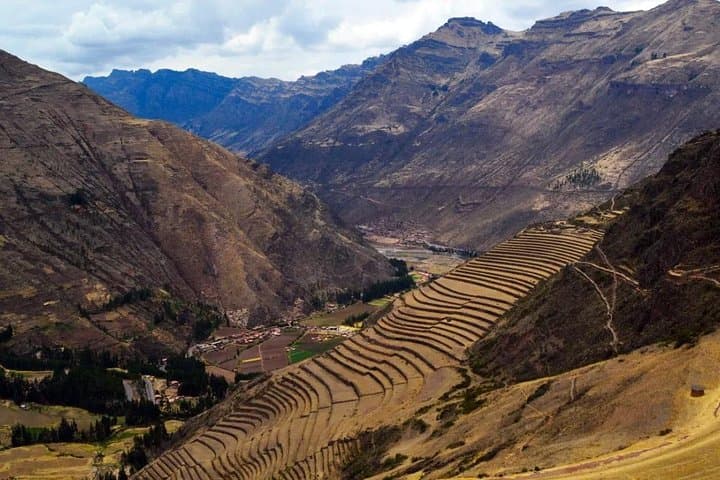
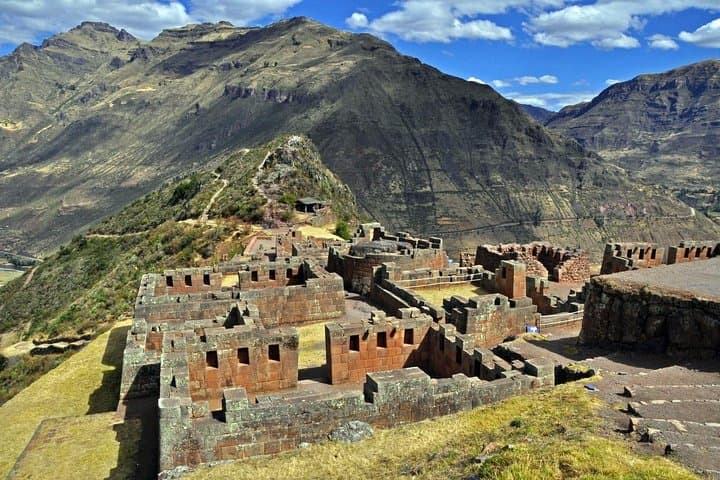
Dawn in the Sacred Valley smells of damp earth and toasted corn; terraces step down the slopes like held breaths. On day one a guide meets the group in Cusco and the bus threads through high Andean farmland toward Pisaq’s stone platforms and its lively artisan market—alpaca textiles and hand-carved ceramics crowd wooden stalls while the Urubamba River below dares you to follow its cut through the valley.
Dawn in the Sacred Valley smells of damp earth and toasted corn; terraces step down the slopes like held breaths. On day one a guide meets the group in Cusco and the bus threads through high Andean farmland toward Pisaq’s stone platforms and its lively artisan market—alpaca textiles and hand-carved ceramics crowd wooden stalls while the Urubamba River below dares you to follow its cut through the valley.
This itinerary stitches together Inca urbanism and imperial engineering: Pisaq’s agricultural terraces, the living streets of Ollantaytambo with its water-fed fountains, and the train ride through cloud-dusted gorge into Aguas Calientes. Machu Picchu, built in the 15th century, crowns the experience on day two—an architectural grid of terraces, temples and carved stone that responds to seismic slopes and seasonal rains.
Expect steep cobbled paths, altitude that tugs at breath, and two hours of guided exploration in the citadel. The route includes a bus transfer from Aguas Calientes up to the Sanctuary, entrance to Machu Picchu, roundtrip trains between Ollantaytambo and Aguas Calientes, and one hotel night.
Practical edge: reserve Huayna Picchu early if you want the ridge view; passports are required for identity checks; wear sturdy shoes with good traction and layer for quick temperature swings. Hydrate and spend a day in Cusco beforehand to reduce altitude strain. Trains and entry slots sell out—book both before arrival. This two-day loop balances cultural context and kinetic travel: history underfoot, mountain air pushing you forward.