THE ADVENTURE COLLECTIVE® · Independent discovery and booking for outdoor travel

A compact, two-day route from Cusco through Pisac and Ollantaytambo to Machu Picchu, this tour mixes Inca engineering, lively markets, and a dawn visit to the citadel. Expect varied elevations, stone stairways, and tightly timed trains and buses.
A compact, two-day route from Cusco through Pisac and Ollantaytambo to Machu Picchu, this tour mixes Inca engineering, lively markets, and a dawn visit to the citadel. Expect varied elevations, stone stairways, and tightly timed trains and buses.
You step out of a minivan as highland air pins your breath to the hillside — terraces step down into the valley like carved stone books, and the Andes crowd the horizon. The first day unfolds across Pisac’s steep Inca terraces and the living market below, then through Urubamba’s valley floor to the pink granite ramparts of Ollantaytambo. Each site shifts elevation and mood: from Cusco’s thin air (~3,400 m) down to Ollantaytambo (~2,800 m) and on to Aguas Calientes (~2,040 m) for the night.
Verified experiences and guided adventures in the surrounding area.
Operated by Machupicchu USA · Machu Picchu, Cusco
You step out of a minivan as highland air pins your breath to the hillside — terraces step down into the valley like carved stone books, and the Andes crowd the horizon. The first day unfolds across Pisac’s steep Inca terraces and the living market below, then through Urubamba’s valley floor to the pink granite ramparts of Ollantaytambo. Each site shifts elevation and mood: from Cusco’s thin air (~3,400 m) down to Ollantaytambo (~2,800 m) and on to Aguas Calientes (~2,040 m) for the night.
These ruins are geological stagecraft — volcanic and granite outcrops shaped and quarried by the Incas, their stairways and water channels showing engineered precision. The Sacred Valley has been an agricultural heartland for centuries; markets in Pisac still trade handwoven textiles and Andean flavors rooted in Quechua tradition.
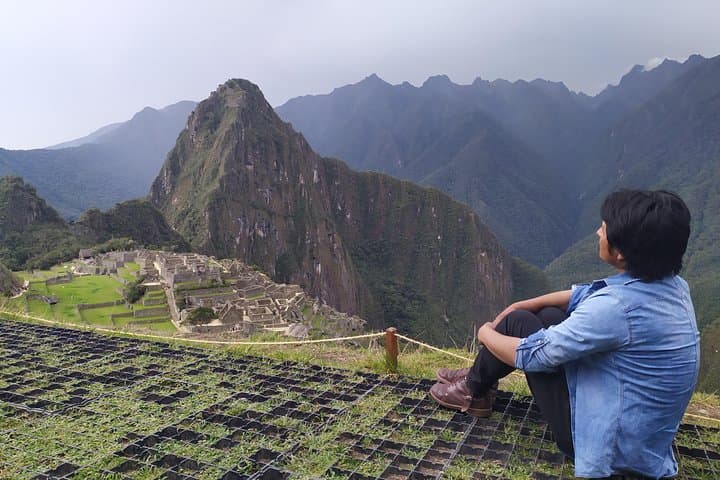
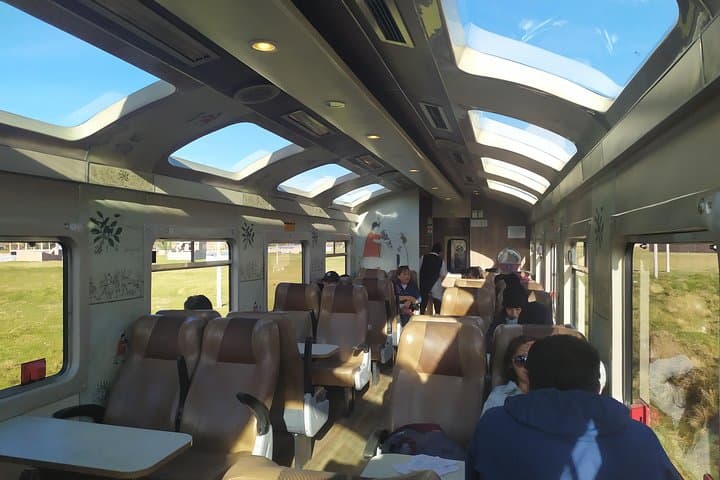
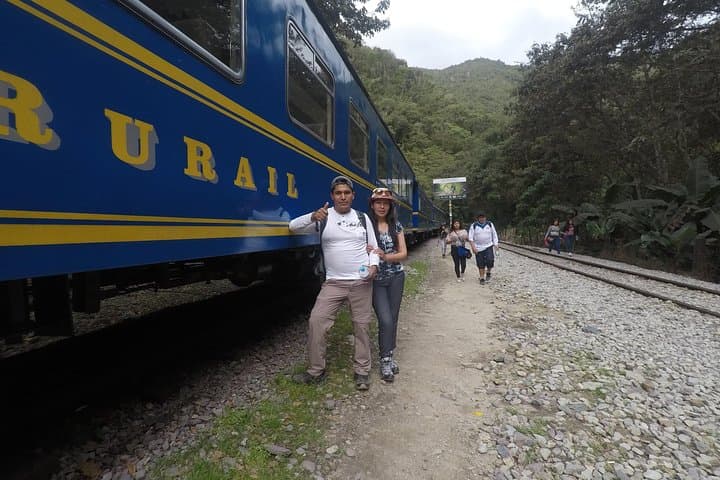
Day two is early and deliberate: a Perurail ride up the Urubamba canyon delivers you to Aguas Calientes, then a 30-minute shuttle climbs the switchbacks to Machu Picchu (≈2,430 m). Expect uneven stone paths, stone staircases, and panoramic viewpoints where clouds can clear in minutes, revealing the citadel’s geometric terraces.
Practical edge: acclimatize in Cusco 24–48 hours if possible, carry water and sun protection, and wear grippy, broken-in shoes for cobbles and steep steps. Bring a daypack with layers; mornings are cool, afternoons can be warm, and rain is possible year-round. Timed trains and bus slots make rhythm to the day—book early buses to catch softer light and smaller crowds.
moderate.
2 days.
Moderate fitness recommended; comfortable with multiple short walks on uneven stone and staircases, and able to cope with high altitude.
Entrance tickets to Machu Picchu are required and are included with this tour; arrive early to match your ticketed time slot.
The Perurail journey is roughly 1.5–2 hours through the Urubamba canyon; times vary by service and schedule.
The itinerary is family-friendly and considered physically easy by providers, but uneven terrain and altitude make pacing, rest, and medical considerations important.
Acclimatize in Cusco for a day, hydrate, avoid heavy exertion initially, and consider coca tea or altitude medication after consulting a clinician.
The Sacred Valley was a crucial agricultural and administrative region for the Inca empire, with Ollantaytambo serving as a living, continuously occupied Inca town and fortress.
Machu Picchu and surrounding trails have visitor limits and timed entries to reduce wear; follow marked paths, avoid feeding wildlife, and support local guides who promote sustainable practices.
Machupicchu USA operates guided outdoor trips and adventures with an emphasis on safety, stewardship, and memorable experiences.
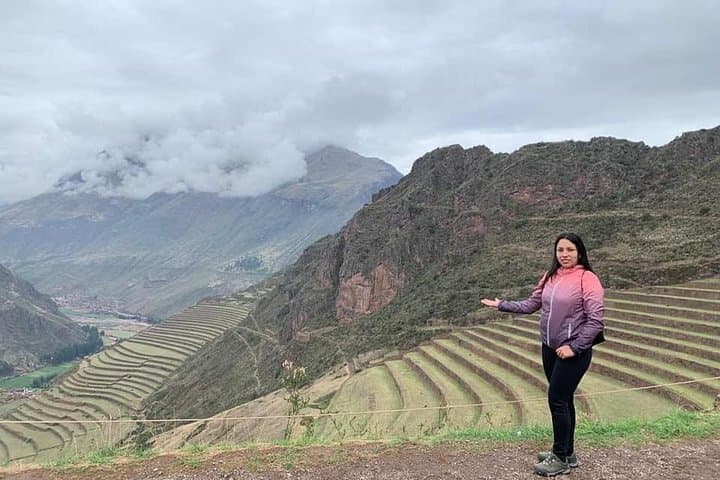
You step out of a minivan as highland air pins your breath to the hillside — terraces step down into the valley like carved stone books, and the Andes crowd the horizon. The first day unfolds across Pisac’s steep Inca terraces and the living market below, then through Urubamba’s valley floor to the pink granite ramparts of Ollantaytambo. Each site shifts elevation and mood: from Cusco’s thin air (~3,400 m) down to Ollantaytambo (~2,800 m) and on to Aguas Calientes (~2,040 m) for the night.
You step out of a minivan as highland air pins your breath to the hillside — terraces step down into the valley like carved stone books, and the Andes crowd the horizon. The first day unfolds across Pisac’s steep Inca terraces and the living market below, then through Urubamba’s valley floor to the pink granite ramparts of Ollantaytambo. Each site shifts elevation and mood: from Cusco’s thin air (~3,400 m) down to Ollantaytambo (~2,800 m) and on to Aguas Calientes (~2,040 m) for the night.
These ruins are geological stagecraft — volcanic and granite outcrops shaped and quarried by the Incas, their stairways and water channels showing engineered precision. The Sacred Valley has been an agricultural heartland for centuries; markets in Pisac still trade handwoven textiles and Andean flavors rooted in Quechua tradition.
Day two is early and deliberate: a Perurail ride up the Urubamba canyon delivers you to Aguas Calientes, then a 30-minute shuttle climbs the switchbacks to Machu Picchu (≈2,430 m). Expect uneven stone paths, stone staircases, and panoramic viewpoints where clouds can clear in minutes, revealing the citadel’s geometric terraces.
Practical edge: acclimatize in Cusco 24–48 hours if possible, carry water and sun protection, and wear grippy, broken-in shoes for cobbles and steep steps. Bring a daypack with layers; mornings are cool, afternoons can be warm, and rain is possible year-round. Timed trains and bus slots make rhythm to the day—book early buses to catch softer light and smaller crowds.