THE ADVENTURE COLLECTIVE® · Independent discovery and booking for outdoor travel

Ride the rails from Cusco through the Sacred Valley to Machu Picchu in two compact days. This guide explains what you’ll see—Chinchero, Maras, Moray—and how to prepare for altitude, crowds, and optional summit hikes.
Ride the rails from Cusco through the Sacred Valley to Machu Picchu in two compact days. This guide explains what you’ll see—Chinchero, Maras, Moray—and how to prepare for altitude, crowds, and optional summit hikes.
You step onto the train as the valley exhales—brown terraces and red-tiled roofs sliding past the window while the Andes tighten around the tracks. The first day unfurls through Chinchero’s textile workshops, the geometric bowls of Moray’s concentric terraces, and the honeycombed salt pans at Maras, before the rails deliver you to Aguas Calientes for an overnight rest.
Verified experiences and guided adventures in the surrounding area.
Operated by Latin Adventures Cía Ltda · Aguas Calientes, Cusco
You step onto the train as the valley exhales—brown terraces and red-tiled roofs sliding past the window while the Andes tighten around the tracks. The first day unfurls through Chinchero’s textile workshops, the geometric bowls of Moray’s concentric terraces, and the honeycombed salt pans at Maras, before the rails deliver you to Aguas Calientes for an overnight rest.
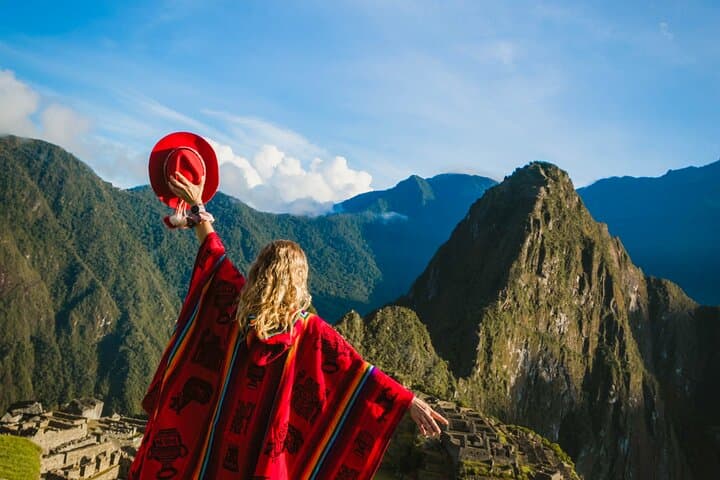
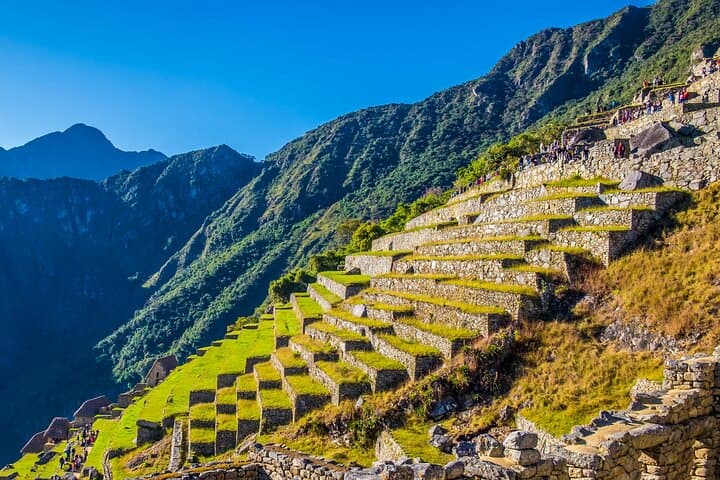
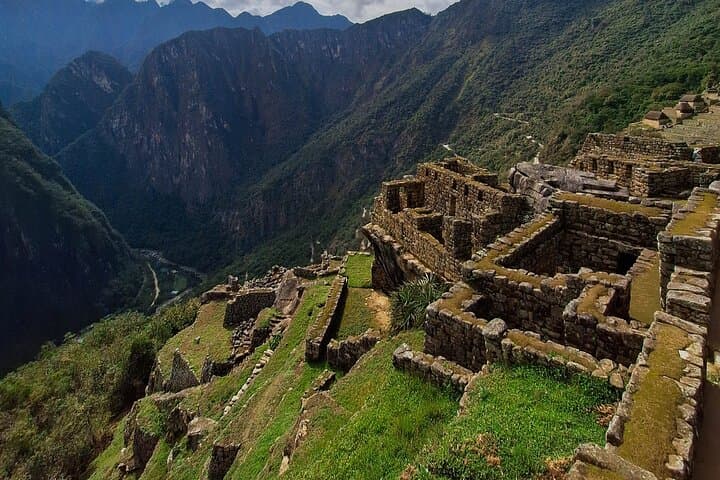
Machu Picchu sits at about 2,430 m, a stone city perched where the Urubamba River dares the canyon below. The site is an Inca masterpiece of agriculture and astronomy; terraces and finely cut walls reveal a civilization tuned to altitude and microclimate. Geologically, you’ll notice sharply folded Andes rock and steep drainage channels that shaped the citadel’s placement. Culturally, the Sacred Valley remains a working landscape—farmers, weavers, and small market towns keep traditional practices alive.
On day two, an early bus climb and a roughly two-hour guided circuit cover the agricultural sectors, Intihuatana, and the urban core. If you secured advance permits you can tackle Huayna Picchu or Machu Picchu Mountain for steeper exposure and wide views.
Practical edge: Cusco’s 3,400 m elevation means you’ll want 24–48 hours to acclimatize, hydrate deliberately, and move at a measured pace on steep, uneven stone steps. Wear supportive footwear with good traction, bring layered clothing for chilly mornings and sun by midday, and keep rain protection ready—weather in the cloud forest changes fast. Trains and site tickets sell out; book permits early and carry your passport for entrance checks.
moderate.
2 days.
Moderate fitness: able to walk on uneven stone steps and handle short steep sections; allow for reduced pace at altitude.
Yes—your passport is required to enter Machu Picchu and must match the name on your ticket.
The guided tour at Machu Picchu is about two hours on uneven stone paths and steps; overall the trip is moderate but altitude increases exertion.
Yes, but those hikes require separate advance permits with limited daily slots—book early to secure a place.
Trains typically run via Poroy or Ollantaytambo to Aguas Calientes; departure points depend on your booking and season.
The Sacred Valley was central to Inca agricultural experimentation; Moray’s concentric terraces likely served as microclimate crop labs.
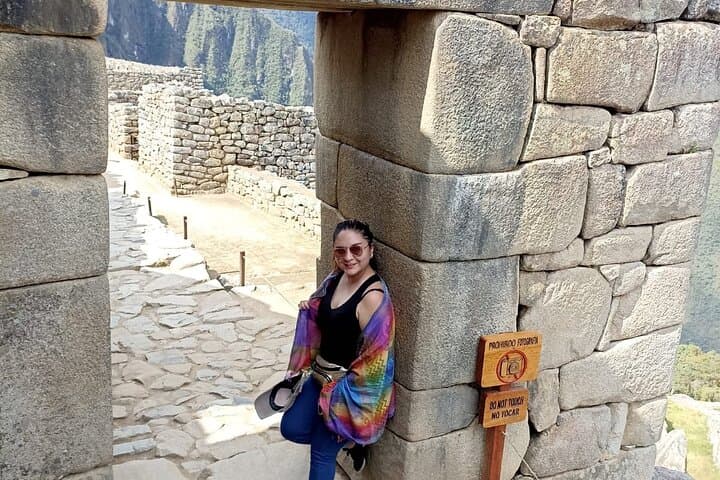
Machu Picchu limits daily visitor numbers and enforces designated routes—stay on marked paths, pack out trash, and follow guide instructions to protect fragile stonework.
Latin Adventures Cía Ltda operates guided outdoor trips and adventures with an emphasis on safety, stewardship, and memorable experiences.
You step onto the train as the valley exhales—brown terraces and red-tiled roofs sliding past the window while the Andes tighten around the tracks. The first day unfurls through Chinchero’s textile workshops, the geometric bowls of Moray’s concentric terraces, and the honeycombed salt pans at Maras, before the rails deliver you to Aguas Calientes for an overnight rest.
You step onto the train as the valley exhales—brown terraces and red-tiled roofs sliding past the window while the Andes tighten around the tracks. The first day unfurls through Chinchero’s textile workshops, the geometric bowls of Moray’s concentric terraces, and the honeycombed salt pans at Maras, before the rails deliver you to Aguas Calientes for an overnight rest.
Machu Picchu sits at about 2,430 m, a stone city perched where the Urubamba River dares the canyon below. The site is an Inca masterpiece of agriculture and astronomy; terraces and finely cut walls reveal a civilization tuned to altitude and microclimate. Geologically, you’ll notice sharply folded Andes rock and steep drainage channels that shaped the citadel’s placement. Culturally, the Sacred Valley remains a working landscape—farmers, weavers, and small market towns keep traditional practices alive.
On day two, an early bus climb and a roughly two-hour guided circuit cover the agricultural sectors, Intihuatana, and the urban core. If you secured advance permits you can tackle Huayna Picchu or Machu Picchu Mountain for steeper exposure and wide views.
Practical edge: Cusco’s 3,400 m elevation means you’ll want 24–48 hours to acclimatize, hydrate deliberately, and move at a measured pace on steep, uneven stone steps. Wear supportive footwear with good traction, bring layered clothing for chilly mornings and sun by midday, and keep rain protection ready—weather in the cloud forest changes fast. Trains and site tickets sell out; book permits early and carry your passport for entrance checks.