
Two-Day Sacred Valley and Machu Picchu Tour — Cusco to Aguas Calientes Adventure
Spend two focused days traveling the Sacred Valley’s archaeological centers and ending at the Inca citadel of Machu Picchu. This practical guide outlines the route, what you’ll see, and how to prepare for altitude, schedule and trail conditions.
An Adventure In Cusco.
Spend two focused days traveling the Sacred Valley’s archaeological centers and ending at the Inca citadel of Machu Picchu. This practical guide outlines the route, what you’ll see, and how to prepare for altitude, schedule and trail conditions.
Read the full experience
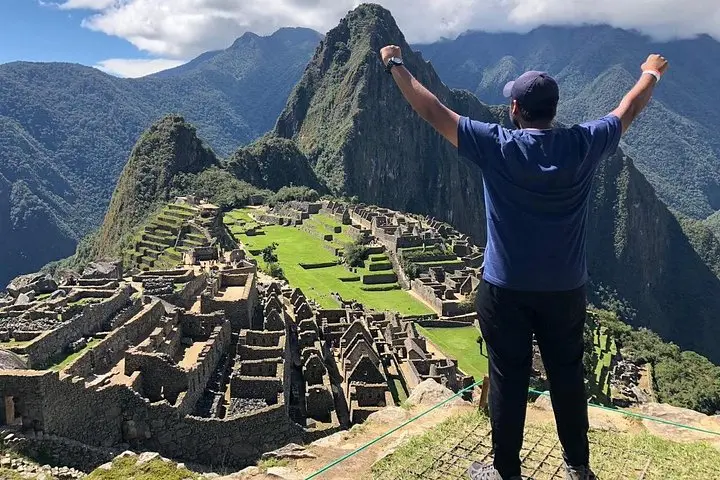
The morning air in the Sacred Valley has a crisp weight to it: steam from breakfast, the distant hum of a market, and terraced fields stepping down toward the Urubamba River. On this two-day loop you move from living Andean villages to the stone geometry of Inca engineering, finishing at the cloud-sliced ridgeline of Machu Picchu.
The morning air in the Sacred Valley has a crisp weight to it: steam from breakfast, the distant hum of a market, and terraced fields stepping down toward the Urubamba River. On this two-day loop you move from living Andean villages to the stone geometry of Inca engineering, finishing at the cloud-sliced ridgeline of Machu Picchu.
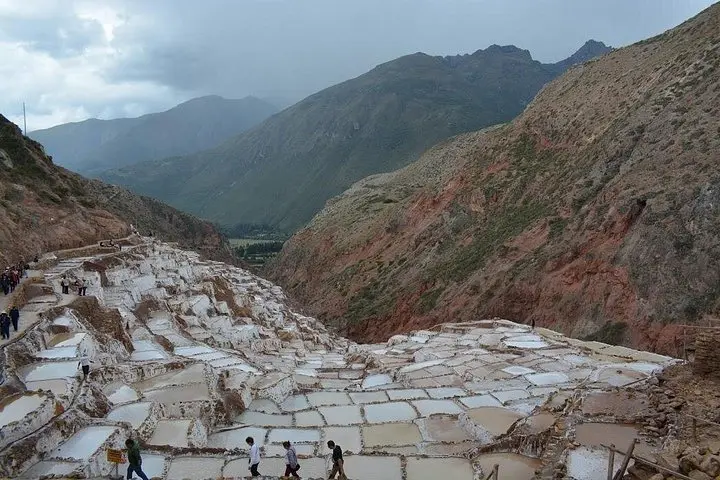
The route follows millennia of history — the valley was a food bowl and ceremonial landscape for the Inca, visible in Ollantaytambo’s massive stonework and Moray’s concentric agricultural depressions. Geologically, the Vilcanota range carved the valley; glacial and fluvial forces left steep slopes, terraces, and the salt pans at Maras that still glitter like a human-made mosaic.
Culture here is tactile: Quechua-speaking vendors, woven textiles, and local methods of salt extraction. Expect llamas grazing near ruins and sharp altitude effects above 3,000 m; the journey is as much about acclimatizing as it is seeing sites.
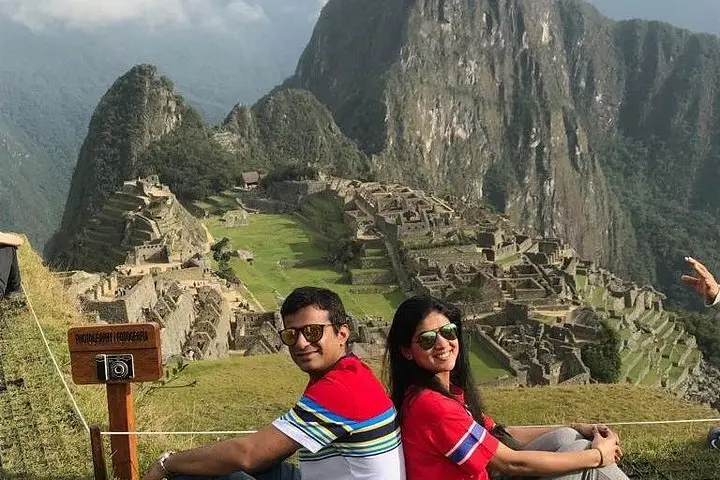
Practical guidance: Day one covers Chinchero, Moray, Maras, lunch in Urubamba, and Ollantaytambo, then an overnight in Aguas Calientes. Day two begins early with a bus up to Machu Picchu for a 2–2.5 hour guided circuit before returning by train to Ollantaytambo and shuttle to Cusco. Wear sturdy shoes for uneven stone steps and bring layers for temperature swings. Hydrate and plan for 30–60 minutes at each stop; trains and buses have strict timetables, so arrive early. Carry your passport for entry, respect site rules, and pack out trash — the fragile highland ecosystems rely on low-impact travel.
Frequently asked questions
Yes—entrance is included in this tour for the scheduled slot, but solo travelers should buy timed tickets well in advance during the dry season.
The guided circuit involves 2–3 hours of walking with uneven stone stairs and some steep sections; moderate mobility is required.
Cusco and the Sacred Valley are high (3,000–3,400 m); common symptoms include headache and fatigue—drink water, rest, and consider acetazolamide if recommended by a doctor.
This itinerary includes breakfast and lunch and one night’s accommodation in Aguas Calientes as described in the tour inclusions.
About This Experience
Illapha Travel Peru operates guided outdoor trips and adventures with an emphasis on safety, stewardship, and memorable experiences.
Adventure tips
Recommended gear
- Sturdy hiking shoes: Grip and ankle support for terraces, steep steps and uneven paths.
- Layered clothing: Temperatures swing from chilly mornings to warm afternoons; layers let you adapt.
- Rain jacket: The November–March rainy season brings sudden showers and muddy conditions.
- Reusable water bottle with purifier: High-altitude hydration is crucial; a purifier avoids single-use plastic purchases.
Photos of the experience
Related adventures & guides
Read the full experience
The morning air in the Sacred Valley has a crisp weight to it: steam from breakfast, the distant hum of a market, and terraced fields stepping down toward the Urubamba River. On this two-day loop you move from living Andean villages to the stone geometry of Inca engineering, finishing at the cloud-sliced ridgeline of Machu Picchu.
The morning air in the Sacred Valley has a crisp weight to it: steam from breakfast, the distant hum of a market, and terraced fields stepping down toward the Urubamba River. On this two-day loop you move from living Andean villages to the stone geometry of Inca engineering, finishing at the cloud-sliced ridgeline of Machu Picchu.
The route follows millennia of history — the valley was a food bowl and ceremonial landscape for the Inca, visible in Ollantaytambo’s massive stonework and Moray’s concentric agricultural depressions. Geologically, the Vilcanota range carved the valley; glacial and fluvial forces left steep slopes, terraces, and the salt pans at Maras that still glitter like a human-made mosaic.
Culture here is tactile: Quechua-speaking vendors, woven textiles, and local methods of salt extraction. Expect llamas grazing near ruins and sharp altitude effects above 3,000 m; the journey is as much about acclimatizing as it is seeing sites.
Practical guidance: Day one covers Chinchero, Moray, Maras, lunch in Urubamba, and Ollantaytambo, then an overnight in Aguas Calientes. Day two begins early with a bus up to Machu Picchu for a 2–2.5 hour guided circuit before returning by train to Ollantaytambo and shuttle to Cusco. Wear sturdy shoes for uneven stone steps and bring layers for temperature swings. Hydrate and plan for 30–60 minutes at each stop; trains and buses have strict timetables, so arrive early. Carry your passport for entry, respect site rules, and pack out trash — the fragile highland ecosystems rely on low-impact travel.
Make a day of it nearby.
Verified experiences and guided adventures in the surrounding area.