THE ADVENTURE COLLECTIVE® · Independent discovery and booking for outdoor travel

Spend two days moving through the Sacred Valley’s markets and Inca ruins, then overnight in Aguas Calientes for sunrise at Machu Picchu. This relaxed 2D/1N package includes train, bus transfers and a guided visit to the citadel.
Spend two days moving through the Sacred Valley’s markets and Inca ruins, then overnight in Aguas Calientes for sunrise at Machu Picchu. This relaxed 2D/1N package includes train, bus transfers and a guided visit to the citadel.
Morning light slices across terraced hills as the bus drops from Cusco into the wide bowl of the Urubamba Valley. The road hums with altitude and history—stone walls, fast rivers, and fields that still feed highland communities. On day one you move slowly: markets in Pisac, the saddleback stone of Ollantaytambo and the train ride that threads cloud and canyon toward Aguas Calientes for an overnight before Machu Picchu.
Verified experiences and guided adventures in the surrounding area.
Operated by Real Travel Peru · Aguas Calientes, Cusco
Morning light slices across terraced hills as the bus drops from Cusco into the wide bowl of the Urubamba Valley. The road hums with altitude and history—stone walls, fast rivers, and fields that still feed highland communities. On day one you move slowly: markets in Pisac, the saddleback stone of Ollantaytambo and the train ride that threads cloud and canyon toward Aguas Calientes for an overnight before Machu Picchu.
This short itinerary follows Inca arteries carved into volcanic and sedimentary slopes. You’ll pass aqueducts at Tambomachay and the massive cyclopean masonry of Saqsaywaman—reminders of engineering aimed at water, sun and ceremony. Cultural life threads the route: Quechua markets, weaving cooperatives, and towns that balance tourism with agriculture.
Practicalities define the trip. Trains and buses are included; lodging in Aguas Calientes is basic 3-star comfort. Expect steep stone stairways, thin air at 2,400–3,400 m, and surfaces that can be wet and uneven. Sunrise at Machu Picchu is popular—arrive early to avoid crowds and to catch the citadel in low-angle light. If you want Huayna Picchu, book the separate permit well in advance.
Bring layered clothing for chilly dawns and midday sun, and plan for sudden mountain rain. Hydrate before arrival and move deliberately on steep sections; the site rewards patience with sweeping views of terraces, temples and the Urubamba below. Two days let you see the highlights without rushing—ideal for first-time visitors who want context as well as the moment at the ruins.
moderate.
2 days.
Moderate fitness recommended—comfortable walking on uneven paths and climbing stone steps at altitude.
Yes—entrance to the Historic Sanctuary of Machu Picchu is included as part of the package.
Yes—Huayna Picchu has a separate limited permit and should be reserved well before arrival if you plan to climb it.
The tour is moderate: expect uphill walking, many stairs in the citadel and a couple of short hikes at altitude; basic stamina is required.
Round-trip expedition train tickets, buses up and down Machu Picchu, hotel pickup near Cusco’s Plaza de Armas, and a guided tour are included per the itinerary.
The route follows Inca administrative and ritual centers that controlled agriculture and water, with Machu Picchu built in the 15th century as a royal estate or ceremonial hub.
Visitor numbers are managed with timed tickets; stick to marked paths, avoid drone use and support local guides to reduce impact.
Real Travel Peru operates guided outdoor trips and adventures with an emphasis on safety, stewardship, and memorable experiences.
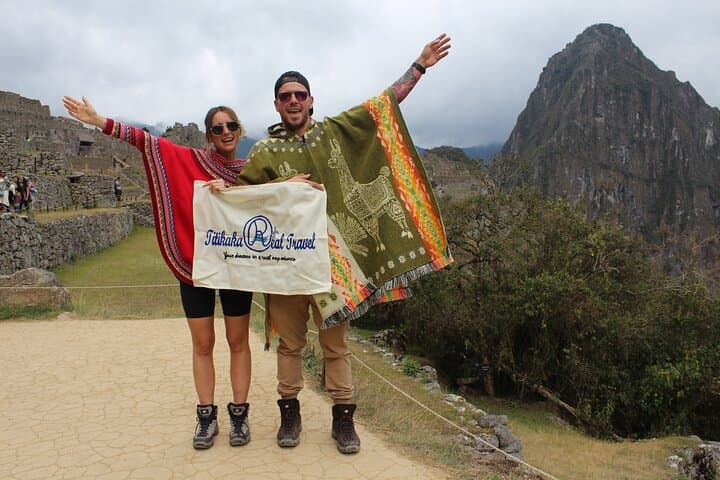
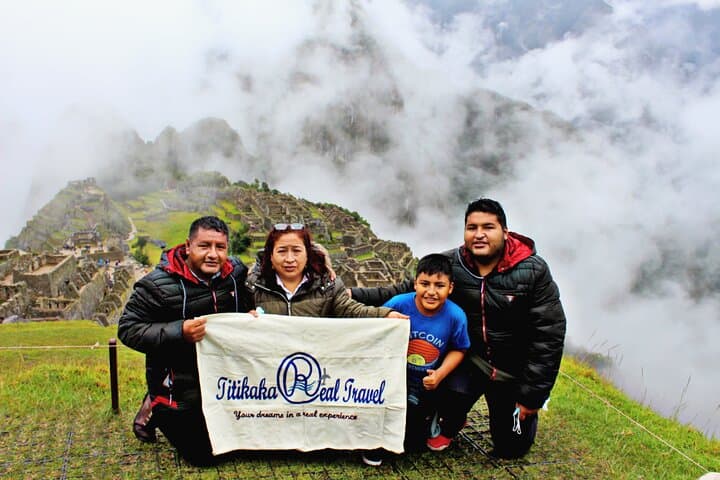
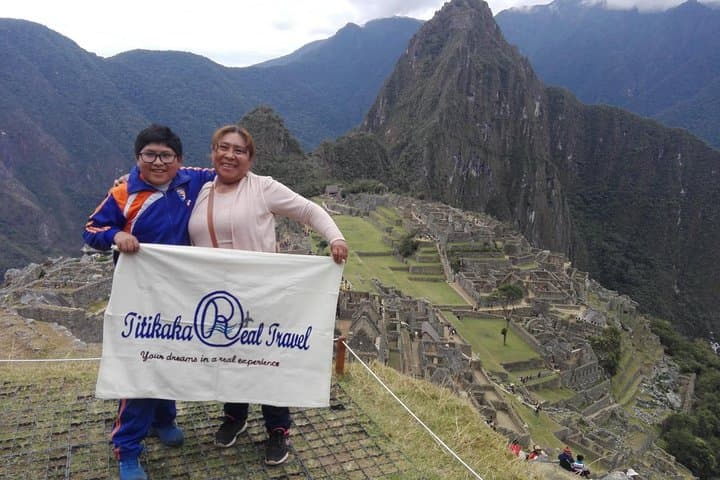
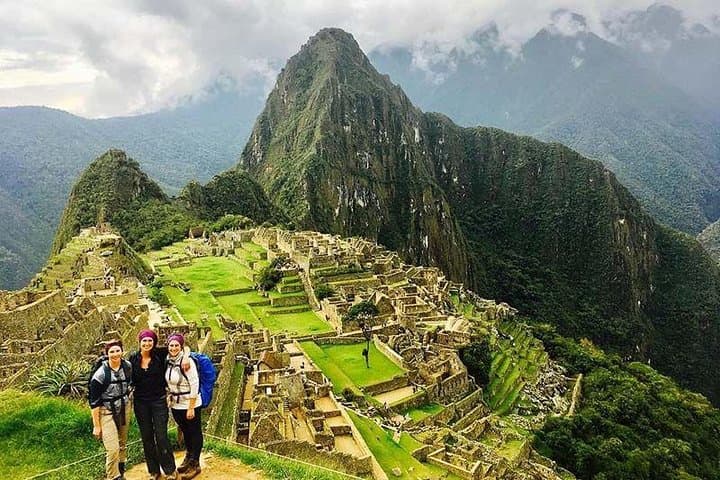
Morning light slices across terraced hills as the bus drops from Cusco into the wide bowl of the Urubamba Valley. The road hums with altitude and history—stone walls, fast rivers, and fields that still feed highland communities. On day one you move slowly: markets in Pisac, the saddleback stone of Ollantaytambo and the train ride that threads cloud and canyon toward Aguas Calientes for an overnight before Machu Picchu.
Morning light slices across terraced hills as the bus drops from Cusco into the wide bowl of the Urubamba Valley. The road hums with altitude and history—stone walls, fast rivers, and fields that still feed highland communities. On day one you move slowly: markets in Pisac, the saddleback stone of Ollantaytambo and the train ride that threads cloud and canyon toward Aguas Calientes for an overnight before Machu Picchu.
This short itinerary follows Inca arteries carved into volcanic and sedimentary slopes. You’ll pass aqueducts at Tambomachay and the massive cyclopean masonry of Saqsaywaman—reminders of engineering aimed at water, sun and ceremony. Cultural life threads the route: Quechua markets, weaving cooperatives, and towns that balance tourism with agriculture.
Practicalities define the trip. Trains and buses are included; lodging in Aguas Calientes is basic 3-star comfort. Expect steep stone stairways, thin air at 2,400–3,400 m, and surfaces that can be wet and uneven. Sunrise at Machu Picchu is popular—arrive early to avoid crowds and to catch the citadel in low-angle light. If you want Huayna Picchu, book the separate permit well in advance.
Bring layered clothing for chilly dawns and midday sun, and plan for sudden mountain rain. Hydrate before arrival and move deliberately on steep sections; the site rewards patience with sweeping views of terraces, temples and the Urubamba below. Two days let you see the highlights without rushing—ideal for first-time visitors who want context as well as the moment at the ruins.