THE ADVENTURE COLLECTIVE® · Independent discovery and booking for outdoor travel

A compact two-day itinerary that pairs traditional highland culture with a guided visit to Machu Picchu. Expect terraces, salt pans, Andean markets and a timed ascent to the Inca citadel.
A compact two-day itinerary that pairs traditional highland culture with a guided visit to Machu Picchu. Expect terraces, salt pans, Andean markets and a timed ascent to the Inca citadel.
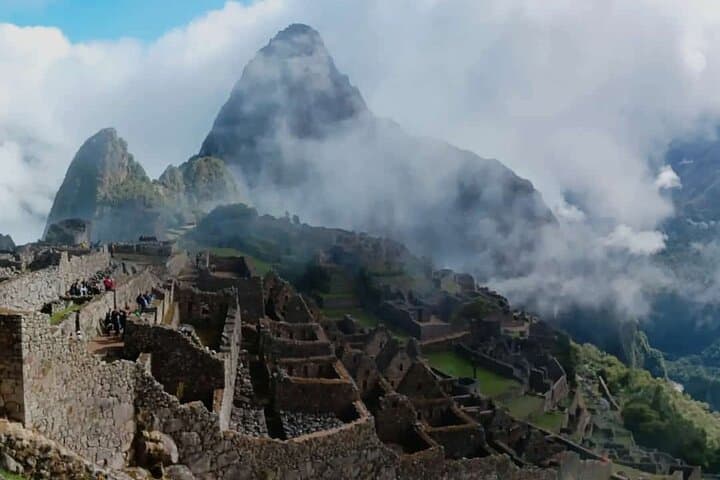
At dawn the Andes breathe cool air across terraced slopes and a ribbon of cloud threads the valley—this two-day itinerary threads together the highland markets, salt pans and the citadel everyone wants to see.
Verified experiences and guided adventures in the surrounding area.
Operated by Peru Inkas Top Travel · Aguas Calientes (Machu Picchu Pueblo), Cusco Region
At dawn the Andes breathe cool air across terraced slopes and a ribbon of cloud threads the valley—this two-day itinerary threads together the highland markets, salt pans and the citadel everyone wants to see.
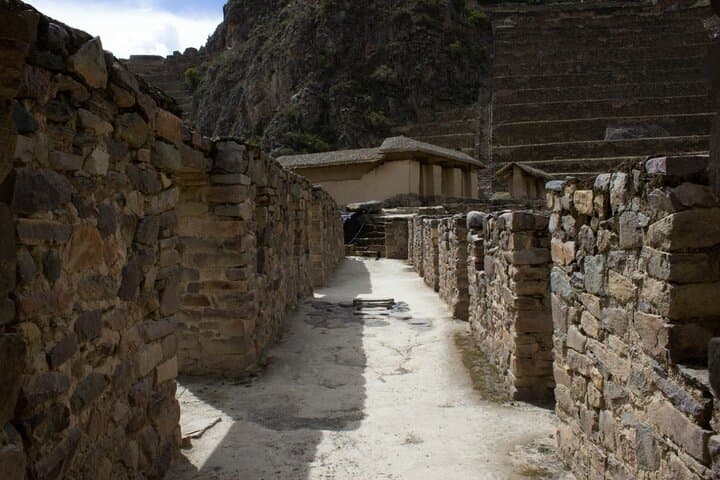
On day one the route moves from Cusco through Chinchero’s living weaving traditions to the circular agricultural terraces of Moray, where stone bowls carved into the earth still hold microclimates the Incas engineered. At Maras the salt pans glitter like a human-made river, and Ollantaytambo’s massive terraces and fortress walls show why it guarded approaches to the Inca Trail. You board the train that evening to Aguas Calientes, a small mountain town that serves as the gateway.
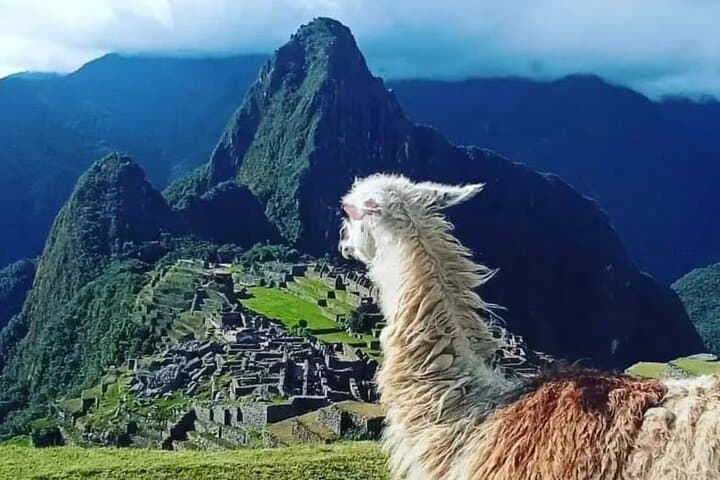
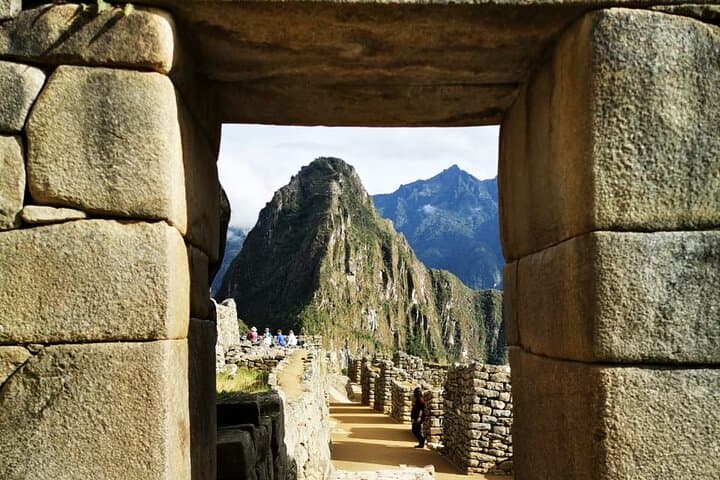
Day two delivers Machu Picchu: stone rooms, trapezoidal doors and stairways that bind astronomy, agriculture and ceremony. Guides explain construction techniques, Inca cosmology and the site’s place along the Vilcanota River. Geology here is dominated by steep, folded Andes of volcanic and sedimentary rock—the citadel perches where slopes allow farming niches and clear sightlines.
Practical edge: altitude and uneven stone surfaces define the trip. Walks are short but take place above 2,800–3,400 m; acclimatize in Cusco for 24–48 hours, bring layered clothing and a reliable daypack. Travel logistics include train reservations, timed Machu Picchu entry and a bus climb from Aguas Calientes; the itinerary is compact, designed for travelers who want maximum cultural and scenic payoff in minimal time.
moderate.
2 days.
Suitable for travelers in average physical condition who can walk on uneven ground at altitude; brief uphill walks and many stairs.
No specialized fitness is required, but participants should be comfortable with short hikes, many stairs and being at altitude; prior acclimatization in Cusco is recommended.
The tour typically includes guided visits in the Sacred Valley, train tickets to Aguas Calientes, Machu Picchu entry and guided tour, hotel accommodation (selected category) and some meals as listed in the itinerary.
Infants are permitted but must sit on an adult’s lap; this tour is not recommended for pregnant travelers or those with serious heart conditions.
Most travelers take the scheduled shuttle buses up the switchback road to the Machu Picchu entrance; return buses are provided or you can walk down if physically able.
The Sacred Valley was a primary agricultural and ceremonial corridor for the Inca empire; many sites served practical and cosmological purposes tied to water and solar cycles.
Visitor numbers are managed at Machu Picchu with timed entry and regulated paths to reduce erosion; support local guides and use established trails to minimize impact.
Peru Inkas Top Travel operates guided outdoor trips and adventures with an emphasis on safety, stewardship, and memorable experiences.
At dawn the Andes breathe cool air across terraced slopes and a ribbon of cloud threads the valley—this two-day itinerary threads together the highland markets, salt pans and the citadel everyone wants to see.
At dawn the Andes breathe cool air across terraced slopes and a ribbon of cloud threads the valley—this two-day itinerary threads together the highland markets, salt pans and the citadel everyone wants to see.
On day one the route moves from Cusco through Chinchero’s living weaving traditions to the circular agricultural terraces of Moray, where stone bowls carved into the earth still hold microclimates the Incas engineered. At Maras the salt pans glitter like a human-made river, and Ollantaytambo’s massive terraces and fortress walls show why it guarded approaches to the Inca Trail. You board the train that evening to Aguas Calientes, a small mountain town that serves as the gateway.
Day two delivers Machu Picchu: stone rooms, trapezoidal doors and stairways that bind astronomy, agriculture and ceremony. Guides explain construction techniques, Inca cosmology and the site’s place along the Vilcanota River. Geology here is dominated by steep, folded Andes of volcanic and sedimentary rock—the citadel perches where slopes allow farming niches and clear sightlines.
Practical edge: altitude and uneven stone surfaces define the trip. Walks are short but take place above 2,800–3,400 m; acclimatize in Cusco for 24–48 hours, bring layered clothing and a reliable daypack. Travel logistics include train reservations, timed Machu Picchu entry and a bus climb from Aguas Calientes; the itinerary is compact, designed for travelers who want maximum cultural and scenic payoff in minimal time.