THE ADVENTURE COLLECTIVE® · Independent discovery and booking for outdoor travel

See the Sacred Valley and Machu Picchu in two packed days: terraces at Moray, salt pans at Maras, the streets of Ollantaytambo and sunrise at Machu Picchu. Ideal for travelers short on time who can handle early mornings and high altitude.
See the Sacred Valley and Machu Picchu in two packed days: terraces at Moray, salt pans at Maras, the streets of Ollantaytambo and sunrise at Machu Picchu. Ideal for travelers short on time who can handle early mornings and high altitude.
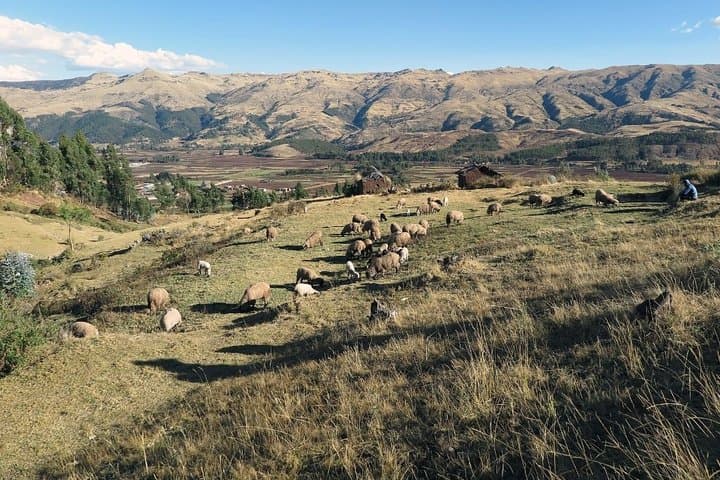
Dawn breaks over terraced slopes as the bus threads the Sacred Valley—fields step down like weathered stairs and a dry wind teases the salt pans at Maras. On day one, travelers move through Chinchero’s agricultural ruins and the ringed bowls of Moray, where concentric Inca platforms still hint at experimental farming. The road climbs, then drops into the white polygons of Salineras de Maras, where evaporation and patience turn spring water into salt.
Verified experiences and guided adventures in the surrounding area.
Operated by PaRa Travels · Aguas Calientes, Cusco
Dawn breaks over terraced slopes as the bus threads the Sacred Valley—fields step down like weathered stairs and a dry wind teases the salt pans at Maras. On day one, travelers move through Chinchero’s agricultural ruins and the ringed bowls of Moray, where concentric Inca platforms still hint at experimental farming. The road climbs, then drops into the white polygons of Salineras de Maras, where evaporation and patience turn spring water into salt.
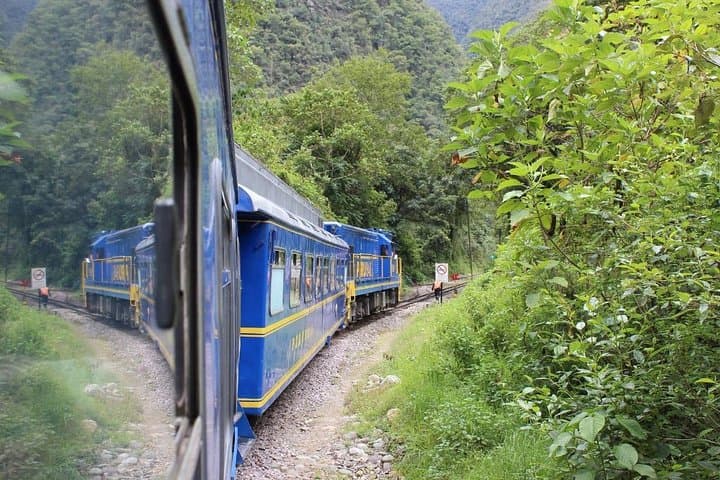
History sits in the stones: Ollantaytambo’s grid of streets and ramped fortifications once controlled access to the valley and remain impressively intact. From there a late-afternoon train delivers the group to Aguas Calientes, the small town that serves as a launch point to the citadel.
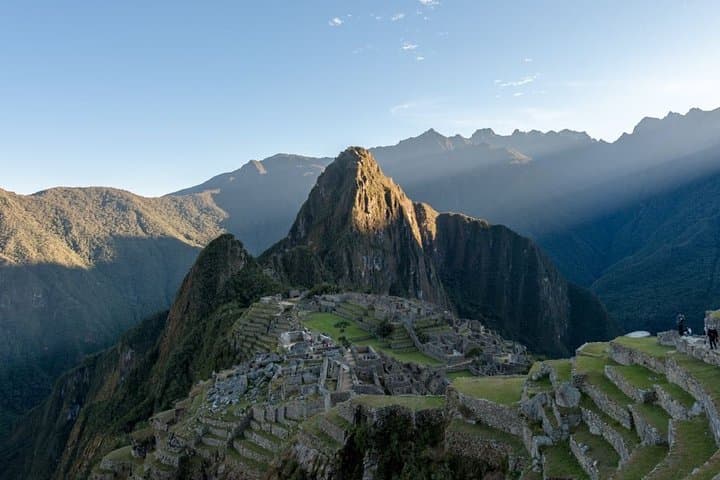
An early second-day ascent—by foot on the switchbacks or by a short bus ride—reveals Machu Picchu as morning light eases over its plazas and agricultural terraces. Visitors typically join a two-hour guided circuit that explains the site’s urban planning, ritual spaces and the agricultural experiments that supported the empire. The landscape here is active; cloud and mist move with purpose, and llamas graze unconcerned.
Practical edge: allow time for altitude adjustment in Cusco, carry layered waterproof clothing, and plan train schedules tightly—return trains fill. Respect protected paths and the park’s time limits; once you exit the main circuit you may not re-enter the citadel. This two-day itinerary condenses major cultural and geological highlights into an efficient, high-impact visit that rewards early starts and steady pacing.
moderate.
2 days.
Moderate fitness recommended—able to walk uphill for 1–2 hours at altitude and manage stairs and uneven stonework.
This tour includes the entrance ticket to Machu Picchu and the round-trip train from Ollantaytambo; confirm your specific ticket window and ID requirements before travel.
Yes—most people hike the switchback path from Aguas Calientes (1–2 hours depending on fitness); start very early if you want sunrise at Inti Punku.
Cusco sits above 3,300 m; take time to rest on arrival, stay hydrated, and avoid heavy alcohol—those with cardiovascular issues should consult a physician.
Basic facilities and eateries exist in Ollantaytambo and Aguas Calientes; pack snacks for early-morning hikes and expect a scheduled lunch in Urubamba on day one.
The Sacred Valley was a breadbasket and strategic corridor of the Inca Empire; sites like Moray show deliberate agricultural experimentation and Ollantaytambo served as a military and administrative hub.
Machu Picchu limits visitor flow and enforces marked paths—stay on trails, carry out waste, and respect wildlife to reduce impact.
PaRa Travels operates guided outdoor trips and adventures with an emphasis on safety, stewardship, and memorable experiences.
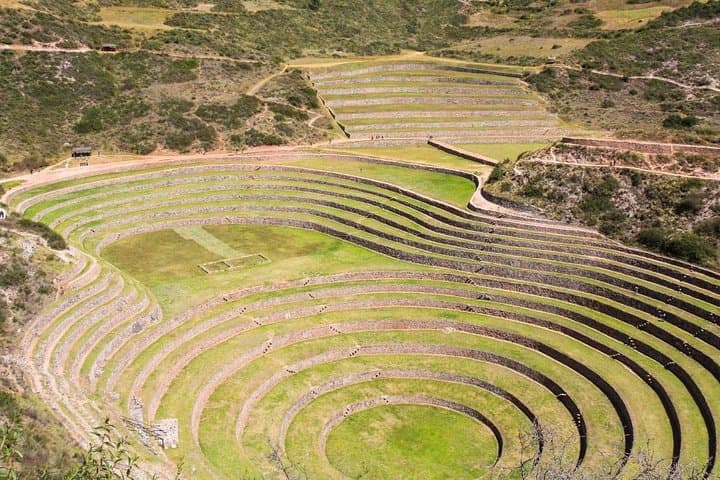
Dawn breaks over terraced slopes as the bus threads the Sacred Valley—fields step down like weathered stairs and a dry wind teases the salt pans at Maras. On day one, travelers move through Chinchero’s agricultural ruins and the ringed bowls of Moray, where concentric Inca platforms still hint at experimental farming. The road climbs, then drops into the white polygons of Salineras de Maras, where evaporation and patience turn spring water into salt.
Dawn breaks over terraced slopes as the bus threads the Sacred Valley—fields step down like weathered stairs and a dry wind teases the salt pans at Maras. On day one, travelers move through Chinchero’s agricultural ruins and the ringed bowls of Moray, where concentric Inca platforms still hint at experimental farming. The road climbs, then drops into the white polygons of Salineras de Maras, where evaporation and patience turn spring water into salt.
History sits in the stones: Ollantaytambo’s grid of streets and ramped fortifications once controlled access to the valley and remain impressively intact. From there a late-afternoon train delivers the group to Aguas Calientes, the small town that serves as a launch point to the citadel.
An early second-day ascent—by foot on the switchbacks or by a short bus ride—reveals Machu Picchu as morning light eases over its plazas and agricultural terraces. Visitors typically join a two-hour guided circuit that explains the site’s urban planning, ritual spaces and the agricultural experiments that supported the empire. The landscape here is active; cloud and mist move with purpose, and llamas graze unconcerned.
Practical edge: allow time for altitude adjustment in Cusco, carry layered waterproof clothing, and plan train schedules tightly—return trains fill. Respect protected paths and the park’s time limits; once you exit the main circuit you may not re-enter the citadel. This two-day itinerary condenses major cultural and geological highlights into an efficient, high-impact visit that rewards early starts and steady pacing.