THE ADVENTURE COLLECTIVE® · Independent discovery and booking for outdoor travel

Ride the valley by rail, sleep in Aguas Calientes, and arrive at Machu Picchu at first light. This practical two-day itinerary balances historic context with clear planning tips so you get the most from a compact visit.
Ride the valley by rail, sleep in Aguas Calientes, and arrive at Machu Picchu at first light. This practical two-day itinerary balances historic context with clear planning tips so you get the most from a compact visit.
You step off the train into Aguas Calientes as mist clings to the valley walls and the jungle seems to hold its breath. The stone terraces of the Sacred Valley and the stacked platforms of Machu Picchu rise like engineered cliffs above a river that keeps moving forward, daring you to follow.
Verified experiences and guided adventures in the surrounding area.
Operated by Visit and Travel Peru · Cusco, Cusco Region
You step off the train into Aguas Calientes as mist clings to the valley walls and the jungle seems to hold its breath. The stone terraces of the Sacred Valley and the stacked platforms of Machu Picchu rise like engineered cliffs above a river that keeps moving forward, daring you to follow.
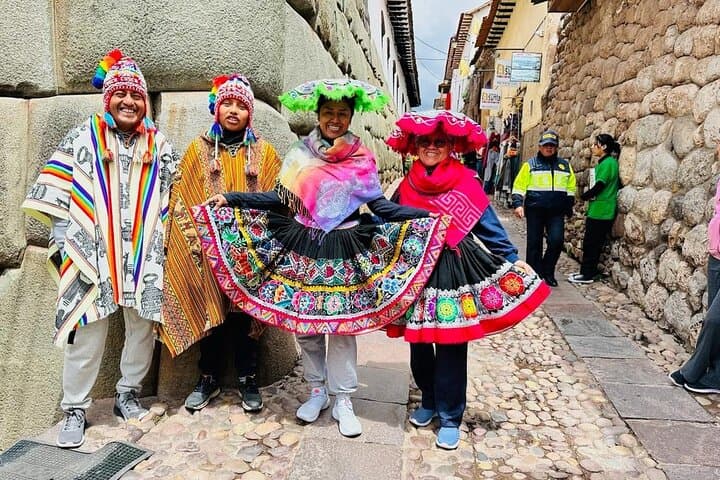
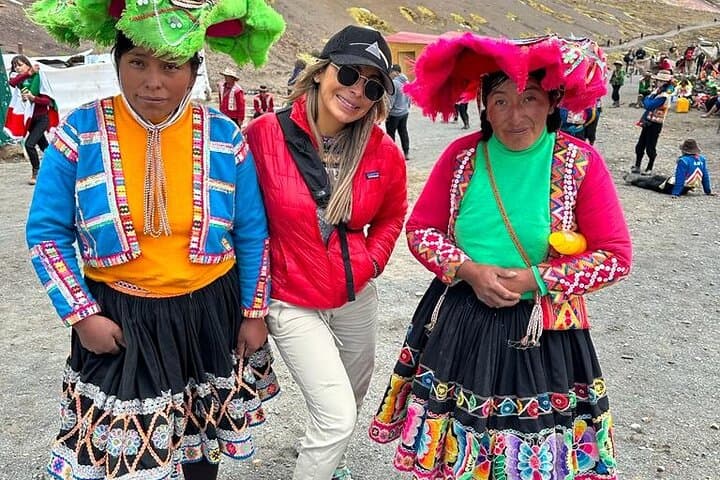
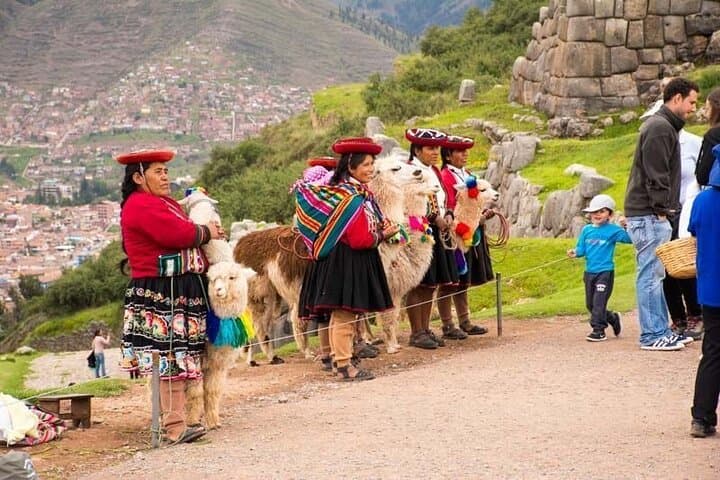
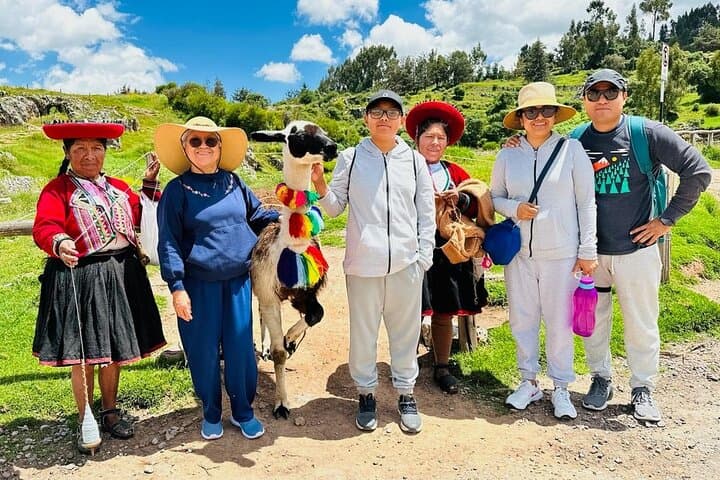
The route threads Inca history and Andean geology: uplifted granite folded by tectonics, terraces cut into slopes for frost control, and sacred plazas that oriented around celestial events. Cusco was the Inca capital and the Sacred Valley fed its empire; local Quechua communities still tend fields and weave using ancestral patterns, while markets hum with highland flavors.
Expect steep stone staircases, narrow switchbacks, and short climbs to viewpoints. Machu Picchu sits at about 2,430 m, lower than Cusco (≈3,400 m), so plans usually begin with acclimatization in the city, a train down-valley, and an early entry to beat crowds. The Sun Gate (Inti Punku) and Huayna Picchu offer different perspectives — one a rolling ridge, the other a sharp, vertiginous climb with limited permits.
Practical guidance: carry your passport (required for entrance), book train and park permits well in advance, and plan for early starts to catch soft light on the ruins. Footwear with solid grip is essential; bring layered clothing for sun, rain, and cool nights. Hydrate at altitude and move deliberately on broken stone; many paths are uneven. The standard two-day itinerary commonly includes private transfers, one night accommodation in Aguas Calientes, train tickets, a guided Machu Picchu visit, and a local lunch. Respect marked trails and local regulations—conservation limits are part of the experience.
moderate.
2 days (≈52–53 hours).
Able to walk 2–4 hours with repeated stair sections at moderate pace; tolerates altitude and uneven terrain.
Yes—your passport is required for Machu Picchu entry and must match the name on your booking; bring photocopies as a backup.
The main site involves uneven stone steps and short steep sections; basic mobility and comfortable footwear are sufficient for most visitors.
Huayna Picchu requires a separate permit with limited daily slots; if included it must be booked in advance—check your ticket details before travel.
This tour typically includes airport/hotel pickup and train tickets—confirm exact train times and pickup points when you receive your voucher as times can vary by operator.
The Sacred Valley supplied the Inca capital of Cusco and many sites are engineered for both agriculture and ritual, reflecting a civilization that organized landscape and astronomy together.
Visitor numbers are regulated and certain routes are one-way to protect stonework; stick to marked paths, don’t feed wildlife, and pack out waste.
Visit and Travel Peru operates guided outdoor trips and adventures with an emphasis on safety, stewardship, and memorable experiences.
You step off the train into Aguas Calientes as mist clings to the valley walls and the jungle seems to hold its breath. The stone terraces of the Sacred Valley and the stacked platforms of Machu Picchu rise like engineered cliffs above a river that keeps moving forward, daring you to follow.
You step off the train into Aguas Calientes as mist clings to the valley walls and the jungle seems to hold its breath. The stone terraces of the Sacred Valley and the stacked platforms of Machu Picchu rise like engineered cliffs above a river that keeps moving forward, daring you to follow.
The route threads Inca history and Andean geology: uplifted granite folded by tectonics, terraces cut into slopes for frost control, and sacred plazas that oriented around celestial events. Cusco was the Inca capital and the Sacred Valley fed its empire; local Quechua communities still tend fields and weave using ancestral patterns, while markets hum with highland flavors.
Expect steep stone staircases, narrow switchbacks, and short climbs to viewpoints. Machu Picchu sits at about 2,430 m, lower than Cusco (≈3,400 m), so plans usually begin with acclimatization in the city, a train down-valley, and an early entry to beat crowds. The Sun Gate (Inti Punku) and Huayna Picchu offer different perspectives — one a rolling ridge, the other a sharp, vertiginous climb with limited permits.
Practical guidance: carry your passport (required for entrance), book train and park permits well in advance, and plan for early starts to catch soft light on the ruins. Footwear with solid grip is essential; bring layered clothing for sun, rain, and cool nights. Hydrate at altitude and move deliberately on broken stone; many paths are uneven. The standard two-day itinerary commonly includes private transfers, one night accommodation in Aguas Calientes, train tickets, a guided Machu Picchu visit, and a local lunch. Respect marked trails and local regulations—conservation limits are part of the experience.