THE ADVENTURE COLLECTIVE® · Independent discovery and booking for outdoor travel

Two days of Rio that balance rainforest tranquility with cliff-top panoramas: hike Tijuca’s waterfalls and ascend Two Brothers for sweeping coastal views. Practical tips on terrain, hydration and timing help you plan smartly.
Two days of Rio that balance rainforest tranquility with cliff-top panoramas: hike Tijuca’s waterfalls and ascend Two Brothers for sweeping coastal views. Practical tips on terrain, hydration and timing help you plan smartly.
You step off the van into humid air thick with green—birds call from the canopy and an old stone gate marks the entrance to Tijuca National Park. On day one you move through layered forest, trail dust giving way to cool pools beneath the Taunay and Cachoeira das Almas waterfalls; water threads through basalt and laterite, daring you to pause and listen.
Verified experiences and guided adventures in the surrounding area.
Operated by Nattrip - Tourism, Ecotourism and Adventure in Rio de Janeiro · Rio de Janeiro, Rio de Janeiro
You step off the van into humid air thick with green—birds call from the canopy and an old stone gate marks the entrance to Tijuca National Park. On day one you move through layered forest, trail dust giving way to cool pools beneath the Taunay and Cachoeira das Almas waterfalls; water threads through basalt and laterite, daring you to pause and listen.
Tijuca is one of the largest urban forests on Earth, largely replanted in the 19th century to restore water supplies to Rio. Its geology is dominated by exposed granite inselbergs and weathered volcanic intrusions that angle toward the sea; the forest shelters both Atlantic Forest flora and communities that shaped the land—bands of freed slaves, later coffee farms, and modern conservationists.
Day two begins in Vidigal, where alleys and murals lead to a steep, sweat-steady climb up Morro Dois Irmãos. Views unfold like pages: Ipanema’s shorelines, Pedra da Gávea, Corcovado’s silhouette. Guides thread local history into the ascent—how favela life and coastal development coexist, and how community tourism has changed perspectives.
Practical guidance: expect rough, often muddy steps and sections of exposed rock; bring footwear with grip, sun protection and plan for sudden showers. Carry at least 2–3 liters of water, snacks for energy, and a layered rain shell. Morning starts are cooler and quieter; afternoons bring clouds and more crowds at viewpoints. Guides will handle logistics and often provide hotel pickup; know the minimum age and fitness notes before you book.
moderate.
2 days (approx. 8–9 hours of hiking over two days).
Good cardiovascular fitness and comfort on uneven, sometimes steep terrain; able to handle several hours of walking with elevation gain.
Moderate fitness is recommended—there are steep sections and stairs; regular walkers who can sustain several hours of uphill hiking should be comfortable.
Yes, guided visits use established routes and local guides; follow your guide’s instructions and avoid wandering alone into residential alleys.
Rio’s climate can bring sudden showers, especially in summer; operators typically offer alternatives or refunds if tours are canceled for safety.
Minimum age is commonly 14 for these hikes, but check with the operator and disclose any health concerns when booking.
Tijuca was heavily deforested for coffee and plantations; 19th-century reforestation efforts converted it into the urban park seen today and helped restore Rio’s water supply.
Visit with a certified guide, stay on established trails and pack out waste—Tourism supports local economies but also places pressure on trails and sensitive riparian zones.
Nattrip - Tourism, Ecotourism and Adventure in Rio de Janeiro operates guided outdoor trips and adventures with an emphasis on safety, stewardship, and memorable experiences.
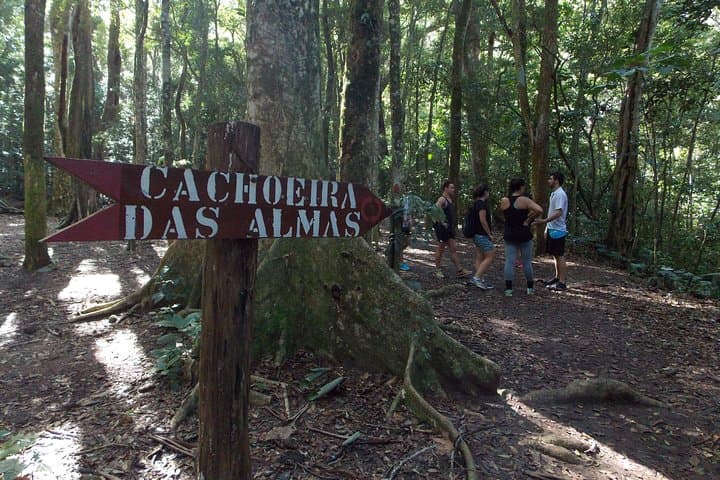
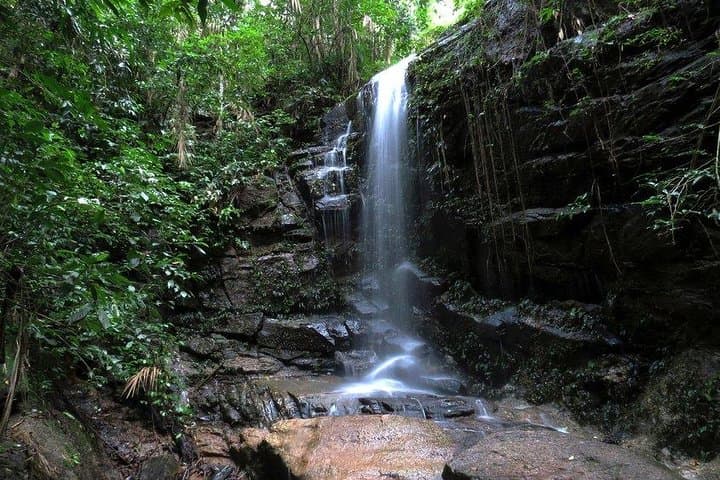


You step off the van into humid air thick with green—birds call from the canopy and an old stone gate marks the entrance to Tijuca National Park. On day one you move through layered forest, trail dust giving way to cool pools beneath the Taunay and Cachoeira das Almas waterfalls; water threads through basalt and laterite, daring you to pause and listen.
You step off the van into humid air thick with green—birds call from the canopy and an old stone gate marks the entrance to Tijuca National Park. On day one you move through layered forest, trail dust giving way to cool pools beneath the Taunay and Cachoeira das Almas waterfalls; water threads through basalt and laterite, daring you to pause and listen.
Tijuca is one of the largest urban forests on Earth, largely replanted in the 19th century to restore water supplies to Rio. Its geology is dominated by exposed granite inselbergs and weathered volcanic intrusions that angle toward the sea; the forest shelters both Atlantic Forest flora and communities that shaped the land—bands of freed slaves, later coffee farms, and modern conservationists.
Day two begins in Vidigal, where alleys and murals lead to a steep, sweat-steady climb up Morro Dois Irmãos. Views unfold like pages: Ipanema’s shorelines, Pedra da Gávea, Corcovado’s silhouette. Guides thread local history into the ascent—how favela life and coastal development coexist, and how community tourism has changed perspectives.
Practical guidance: expect rough, often muddy steps and sections of exposed rock; bring footwear with grip, sun protection and plan for sudden showers. Carry at least 2–3 liters of water, snacks for energy, and a layered rain shell. Morning starts are cooler and quieter; afternoons bring clouds and more crowds at viewpoints. Guides will handle logistics and often provide hotel pickup; know the minimum age and fitness notes before you book.