THE ADVENTURE COLLECTIVE® · Independent discovery and booking for outdoor travel

Cover Rio’s high points in two days: Corcovado’s summit, Sugarloaf at sunset and a day of island hops in Angra dos Reis. Expect short hikes, cable cars, four boat swimming stops and a local seafood lunch.
Cover Rio’s high points in two days: Corcovado’s summit, Sugarloaf at sunset and a day of island hops in Angra dos Reis. Expect short hikes, cable cars, four boat swimming stops and a local seafood lunch.
A humid wind pushes through Tijuca Forest as the van climbs toward Corcovado, the city unfurling beneath you like a living map. At the statue platform—710 meters above sea level—the figure of Christ the Redeemer watches over Rio; clouds thread between neighborhoods and the bay, and the city’s rhythm slows for a moment.
Verified experiences and guided adventures in the surrounding area.
Operated by Tangol · Rio de Janeiro, Rio de Janeiro
A humid wind pushes through Tijuca Forest as the van climbs toward Corcovado, the city unfurling beneath you like a living map. At the statue platform—710 meters above sea level—the figure of Christ the Redeemer watches over Rio; clouds thread between neighborhoods and the bay, and the city’s rhythm slows for a moment.
The first afternoon moves from rainforest roads to city stops: a short walk inside the cathedral’s cavernous interior, a pause at the tiled Selarón steps, then the cable car to Sugarloaf. The monolith of Pão de Açúcar (≈396 m) tilts light into the bay at sunset, and the Atlantic dares you to keep looking.
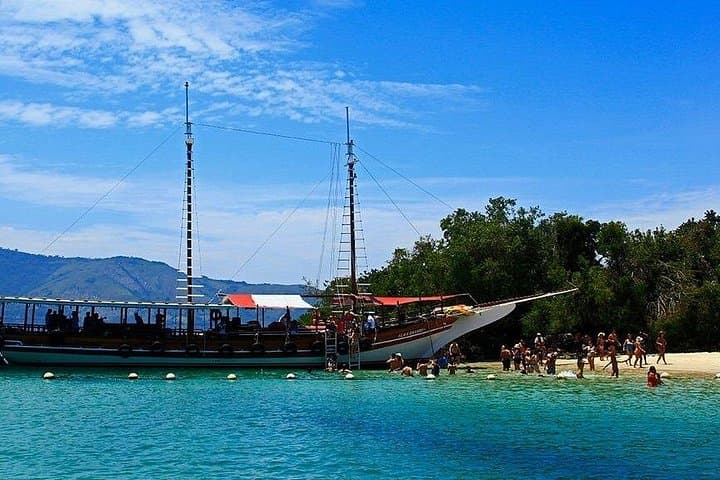
Day two shifts to water. A coastal drive of about 2–3 hours brings you to Angra dos Reis, gateway to an archipelago of coastal granite islands. The boat tour makes four swimming stops—Lagoa Azul and Japariz among them—where clear currents invite snorkeling and reef-side floats. Lunch at a local buffet highlights regional seafood and coconut-infused dishes.
History and geology thread the trip: Tijuca is one of the world’s largest urban forests, replanted in the 19th century; Corcovado and Sugarloaf are granite outcrops shaped by tectonics and erosion. Culturally, the route stitches colonial-era downtown, Afro-Brazilian rhythms in Lapa, and coastal fishing traditions in Angra.
Practical edge: expect short hikes, stairs and cable-car queues; pack sun protection, swimwear, and a light rain shell. Timing matters—sunset on Sugarloaf and morning light at Corcovado are the quietest windows. On the boat, respect marine reserves, keep plastics off the water, and bring reef-safe sunscreen and a waterproof camera.
moderate.
2 days.
Suitable for travelers in average fitness—short uphill walks, stairs and brief boat transfers; not strenuous but expect standing and light walking.
The tour description lists admission to Christ the Redeemer and the Sugarloaf cable car; confirm at booking as inclusions can vary.
Road transfer typically takes 2–3 hours each way depending on traffic; expect a full day dedicated to the boat tour.
Yes—there are four scheduled stops for swimming; bring your own mask/snorkel or ask about rentals locally.
The itinerary notes it’s suitable for all fitness levels; however, it involves stairs, cable cars and boat transfers—assess mobility and motion-sickness risks.
Corcovado’s statue was inaugurated in 1931 and Tijuca Forest is a restored urban forest replanted in the 19th century after extensive clearing.
Angra’s islands include marine protected areas—use reef-safe sunscreen, avoid anchoring on reefs and carry out any trash to reduce impact.
Tangol operates guided outdoor trips and adventures with an emphasis on safety, stewardship, and memorable experiences.
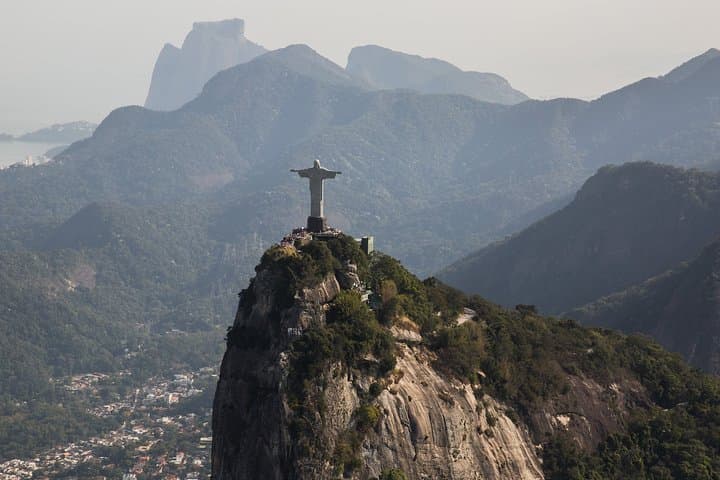


A humid wind pushes through Tijuca Forest as the van climbs toward Corcovado, the city unfurling beneath you like a living map. At the statue platform—710 meters above sea level—the figure of Christ the Redeemer watches over Rio; clouds thread between neighborhoods and the bay, and the city’s rhythm slows for a moment.
A humid wind pushes through Tijuca Forest as the van climbs toward Corcovado, the city unfurling beneath you like a living map. At the statue platform—710 meters above sea level—the figure of Christ the Redeemer watches over Rio; clouds thread between neighborhoods and the bay, and the city’s rhythm slows for a moment.
The first afternoon moves from rainforest roads to city stops: a short walk inside the cathedral’s cavernous interior, a pause at the tiled Selarón steps, then the cable car to Sugarloaf. The monolith of Pão de Açúcar (≈396 m) tilts light into the bay at sunset, and the Atlantic dares you to keep looking.
Day two shifts to water. A coastal drive of about 2–3 hours brings you to Angra dos Reis, gateway to an archipelago of coastal granite islands. The boat tour makes four swimming stops—Lagoa Azul and Japariz among them—where clear currents invite snorkeling and reef-side floats. Lunch at a local buffet highlights regional seafood and coconut-infused dishes.
History and geology thread the trip: Tijuca is one of the world’s largest urban forests, replanted in the 19th century; Corcovado and Sugarloaf are granite outcrops shaped by tectonics and erosion. Culturally, the route stitches colonial-era downtown, Afro-Brazilian rhythms in Lapa, and coastal fishing traditions in Angra.
Practical edge: expect short hikes, stairs and cable-car queues; pack sun protection, swimwear, and a light rain shell. Timing matters—sunset on Sugarloaf and morning light at Corcovado are the quietest windows. On the boat, respect marine reserves, keep plastics off the water, and bring reef-safe sunscreen and a waterproof camera.