THE ADVENTURE COLLECTIVE® · Independent discovery and booking for outdoor travel

Two full days with the same licensed English-speaking guide lets you stitch Tokyo’s temples, gardens, and neighborhoods into a single, manageable itinerary. Choose 3–4 sites per day and trade rush for depth on this private walking tour.
Two full days with the same licensed English-speaking guide lets you stitch Tokyo’s temples, gardens, and neighborhoods into a single, manageable itinerary. Choose 3–4 sites per day and trade rush for depth on this private walking tour.
Morning light slides between glass towers and an old stone lantern as you meet your licensed guide on a Tokyo sidewalk — two days of walking, three to four chosen stops per day, and a city that keeps shifting scale from human-sized shrines to skyline canyons.
Verified experiences and guided adventures in the surrounding area.
Operated by Japan Guide Agency · Tokyo, Tokyo
Morning light slides between glass towers and an old stone lantern as you meet your licensed guide on a Tokyo sidewalk — two days of walking, three to four chosen stops per day, and a city that keeps shifting scale from human-sized shrines to skyline canyons.
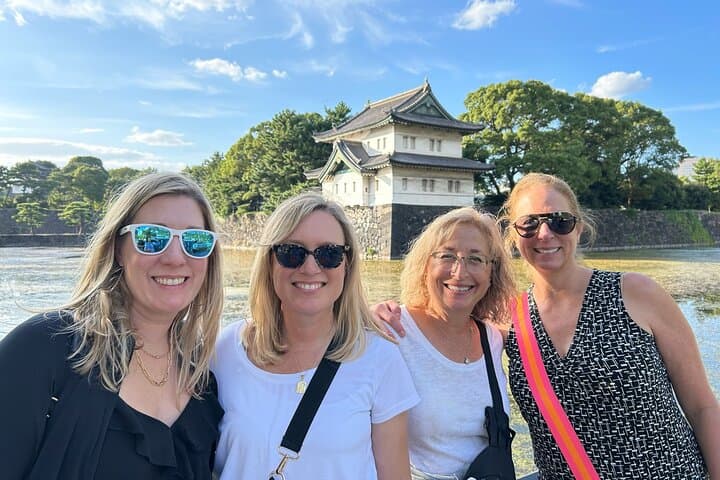
The walk threads history and geology: Edo Castle's moats mark the footprint of Tokugawa rule, Meiji-era urban planning opened the city to modernity, and Tokyo sits on the flat Kanto Plain shaped by river sediment and repeated earthquakes, which has driven both architectural innovation and reclaimed land like Odaiba.
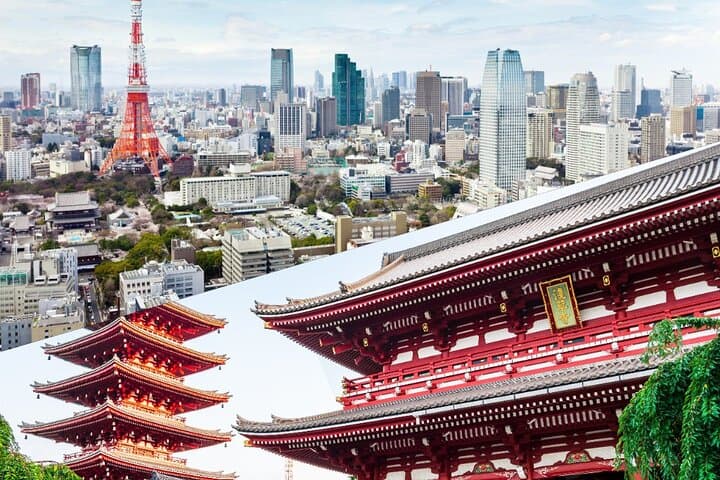
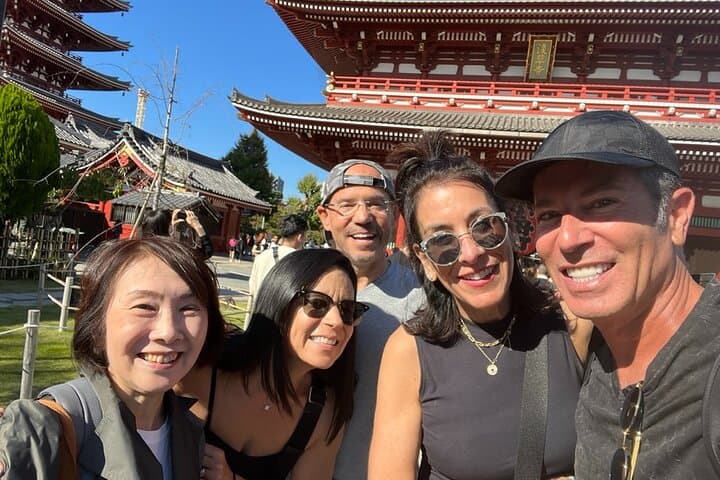
Culture turns on small moments — a bow at a shrine gate, a steaming bowl of street-tempura, or the hush inside a temple garden. Your guide connects these threads, from Asakusa’s market approaches to the teahouse rhythm of Hama Rikyu and the postwar neon culture of Akihabara and Golden Gai.
Practically, this is efficient, customizable urban exploration: expect about six hours of walking each day at an unhurried museum-and-stroll pace, using trains and short walks between sites. Hydrate; wear broken-in shoes; carry an IC card (Suica/Pasmo) for trains and buses. Respect shrine etiquette and photo rules, and plan for variable weather — summers are humid, springs are crowded with cherry blossom viewers.
Because the tour is private and consecutive, prioritize must-see sites when you book and leave margin for slow discoveries: a quiet shrine lane, a garden bench, or a hidden alley ramen shop. Two days let you layer Tokyo’s eras and moods rather than race past them.
easy.
12 hours (2×6-hour days).
Suitable for most fitness levels; expect 6 hours of walking per day with frequent urban stops.
Yes — you choose 3–4 sites from the provided lists for each day and the guide will craft routes to fit your interests and pace.
Many areas and transport options in central Tokyo are wheelchair accessible; notify the operator at booking so accommodations and meeting points can be confirmed.
Admissions are generally not included; bring cash or card for entry fees to museums, gardens, or special exhibits you choose to visit.
Meeting is typically arranged within a designated area or at your hotel by prior agreement — confirm the exact meetup location when you book.
Tokyo evolved from Edo, the Tokugawa seat of power, into Japan’s modern capital after 1868; many central sites trace that transition from feudal to imperial to metropolitan eras.
Urban green spaces like Shinjuku Gyoen and Hama Rikyu are actively managed to balance public access with historic garden preservation; visitors should stick to paths and avoid feeding wildlife.
Japan Guide Agency operates guided outdoor trips and adventures with an emphasis on safety, stewardship, and memorable experiences.

Morning light slides between glass towers and an old stone lantern as you meet your licensed guide on a Tokyo sidewalk — two days of walking, three to four chosen stops per day, and a city that keeps shifting scale from human-sized shrines to skyline canyons.
Morning light slides between glass towers and an old stone lantern as you meet your licensed guide on a Tokyo sidewalk — two days of walking, three to four chosen stops per day, and a city that keeps shifting scale from human-sized shrines to skyline canyons.
The walk threads history and geology: Edo Castle's moats mark the footprint of Tokugawa rule, Meiji-era urban planning opened the city to modernity, and Tokyo sits on the flat Kanto Plain shaped by river sediment and repeated earthquakes, which has driven both architectural innovation and reclaimed land like Odaiba.
Culture turns on small moments — a bow at a shrine gate, a steaming bowl of street-tempura, or the hush inside a temple garden. Your guide connects these threads, from Asakusa’s market approaches to the teahouse rhythm of Hama Rikyu and the postwar neon culture of Akihabara and Golden Gai.
Practically, this is efficient, customizable urban exploration: expect about six hours of walking each day at an unhurried museum-and-stroll pace, using trains and short walks between sites. Hydrate; wear broken-in shoes; carry an IC card (Suica/Pasmo) for trains and buses. Respect shrine etiquette and photo rules, and plan for variable weather — summers are humid, springs are crowded with cherry blossom viewers.
Because the tour is private and consecutive, prioritize must-see sites when you book and leave margin for slow discoveries: a quiet shrine lane, a garden bench, or a hidden alley ramen shop. Two days let you layer Tokyo’s eras and moods rather than race past them.