THE ADVENTURE COLLECTIVE® · Independent discovery and booking for outdoor travel

This private two-day itinerary from Cairo packs Abu Simbel, Philae, Aswan and Luxor into a fast-paced cultural sprint. Expect early starts, domestic flights, private transfers and guided walks through some of Egypt’s most iconic temples.
This private two-day itinerary from Cairo packs Abu Simbel, Philae, Aswan and Luxor into a fast-paced cultural sprint. Expect early starts, domestic flights, private transfers and guided walks through some of Egypt’s most iconic temples.
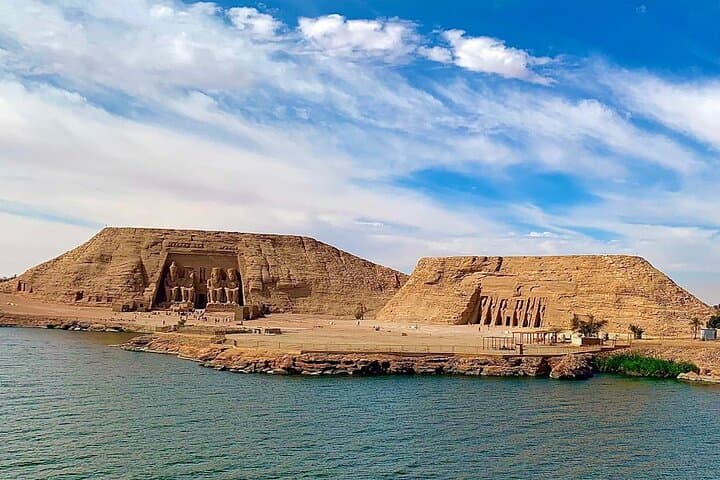
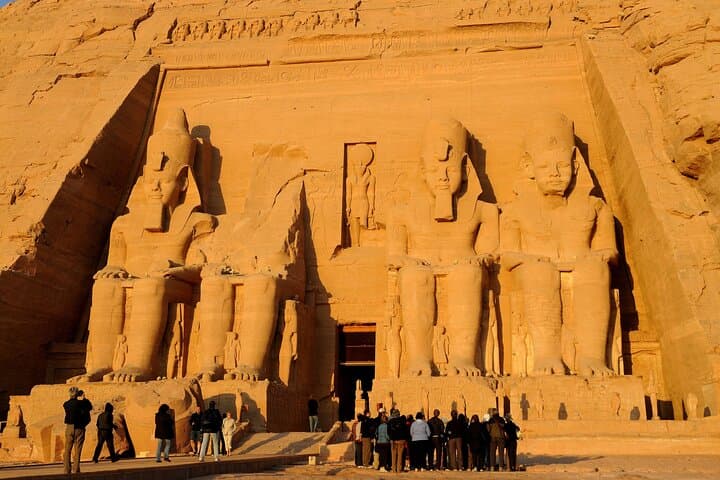
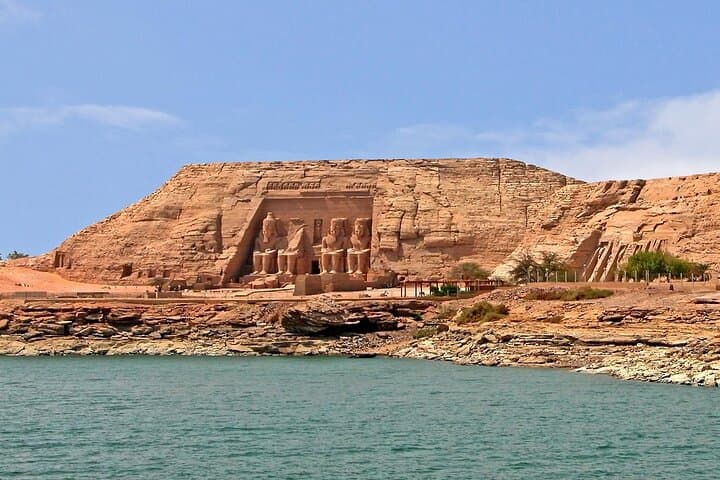
You step out before dawn in Cairo, the city lights still clinging to the horizon as your private car deposits you at the airport. Within hours the desert flattens beneath the plane and the Nile reappears as a green ribbon; by midmorning you are standing beneath the four colossal faces of Ramesses II at Abu Simbel, stone giants that seem to measure time itself.
Verified experiences and guided adventures in the surrounding area.
Operated by Luxor Private Day Tours · Aswan, Aswan Governorate
You step out before dawn in Cairo, the city lights still clinging to the horizon as your private car deposits you at the airport. Within hours the desert flattens beneath the plane and the Nile reappears as a green ribbon; by midmorning you are standing beneath the four colossal faces of Ramesses II at Abu Simbel, stone giants that seem to measure time itself.
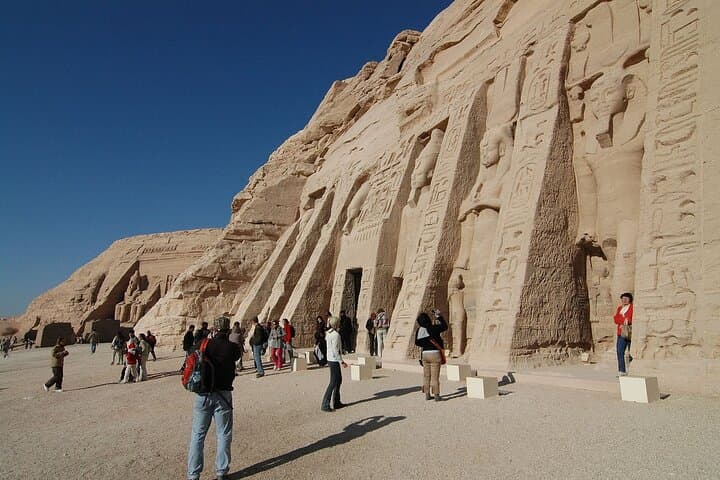
These monuments are more than photo stops. Abu Simbel’s façade was cut and moved in the 1960s to save it from the rising waters of the Aswan High Dam — a modern engineering chapter added to millennia of pharaonic history. The Philae Temple, set on an island, highlights Nubian devotion to Isis; further upriver, Luxor’s West Bank—Valley of the Kings, Hatshepsut’s mortuary temple, Karnak’s Hypostyle Hall—unspools New Kingdom imperial power in stone and painted tomb chambers.
Geology here is practical: sandstone and quartzitic layers shaped by the Nile’s annual rhythms, and the flat floodplain means walking is easy but exposed. Culture is immediate — Nubian villages, boatmen, and local guides who read hieroglyphs as storytellers.
Practical guidance: schedule morning visits to avoid peak heat, bring a hat, 2–3 liters of water, and comfortable shoes for uneven temple floors and steps. Expect guided walking totals of 3–6 miles over two days, with short transfers by private AC vehicle and domestic flights. Have passports ready for permits, and pack light for the overnight in Aswan. Respect tomb rules (no flash photography in painted chambers) and allow time for slow, deliberate viewing — these sites reward patience.
easy.
2 days (approx. 48 hours).
Suitable for travelers with basic mobility; involves several hours of walking and climbing steps at archaeological sites.
Yes—this itinerary uses short domestic flights; your operator schedules flights to match the tour timing and transfers are included.
The tour listing indicates guided visits and transfers are included; verify if national museum or certain tombs require extra tickets at the gate.
The site requires minimal hiking—mostly walking across flat plaza and into the temple; temperature and sun exposure are the main challenges.
Yes—operators commonly accommodate vegetarian, vegan and common dietary requests if informed in advance.
Abu Simbel’s temples were relocated stone-by-stone in the 1960s to avoid inundation from the Aswan High Dam; the Nile corridor has been a continuous cultural artery for millennia.
High visitor pressure and climate require careful site stewardship—follow guide instructions, avoid touching reliefs, and skip flash photography in tombs to protect pigments.
Luxor Private Day Tours operates guided outdoor trips and adventures with an emphasis on safety, stewardship, and memorable experiences.
You step out before dawn in Cairo, the city lights still clinging to the horizon as your private car deposits you at the airport. Within hours the desert flattens beneath the plane and the Nile reappears as a green ribbon; by midmorning you are standing beneath the four colossal faces of Ramesses II at Abu Simbel, stone giants that seem to measure time itself.
You step out before dawn in Cairo, the city lights still clinging to the horizon as your private car deposits you at the airport. Within hours the desert flattens beneath the plane and the Nile reappears as a green ribbon; by midmorning you are standing beneath the four colossal faces of Ramesses II at Abu Simbel, stone giants that seem to measure time itself.
These monuments are more than photo stops. Abu Simbel’s façade was cut and moved in the 1960s to save it from the rising waters of the Aswan High Dam — a modern engineering chapter added to millennia of pharaonic history. The Philae Temple, set on an island, highlights Nubian devotion to Isis; further upriver, Luxor’s West Bank—Valley of the Kings, Hatshepsut’s mortuary temple, Karnak’s Hypostyle Hall—unspools New Kingdom imperial power in stone and painted tomb chambers.
Geology here is practical: sandstone and quartzitic layers shaped by the Nile’s annual rhythms, and the flat floodplain means walking is easy but exposed. Culture is immediate — Nubian villages, boatmen, and local guides who read hieroglyphs as storytellers.
Practical guidance: schedule morning visits to avoid peak heat, bring a hat, 2–3 liters of water, and comfortable shoes for uneven temple floors and steps. Expect guided walking totals of 3–6 miles over two days, with short transfers by private AC vehicle and domestic flights. Have passports ready for permits, and pack light for the overnight in Aswan. Respect tomb rules (no flash photography in painted chambers) and allow time for slow, deliberate viewing — these sites reward patience.