THE ADVENTURE COLLECTIVE® · Independent discovery and booking for outdoor travel

Cross the Gulf of Aqaba from Dahab and step into two of Jordan’s most iconic places in 48 hours: Petra’s rose-red canyons and Wadi Rum’s otherworldly desert. This private, guided itinerary pairs efficient logistics with immersive walks and a 4x4 desert tour.
Cross the Gulf of Aqaba from Dahab and step into two of Jordan’s most iconic places in 48 hours: Petra’s rose-red canyons and Wadi Rum’s otherworldly desert. This private, guided itinerary pairs efficient logistics with immersive walks and a 4x4 desert tour.
A pre-dawn pickup in Dahab sets the tone: the van hums toward Taba, and the Gulf of Aqaba slides past in a strip of blue while the ferry carries travelers across an international seam.
Verified experiences and guided adventures in the surrounding area.
Operated by Your Egypt Tours · Wadi Musa, Ma'an Governorate
A pre-dawn pickup in Dahab sets the tone: the van hums toward Taba, and the Gulf of Aqaba slides past in a strip of blue while the ferry carries travelers across an international seam.
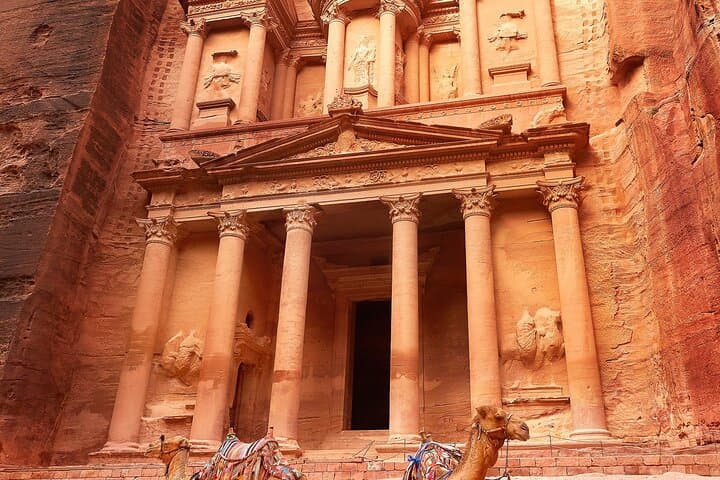
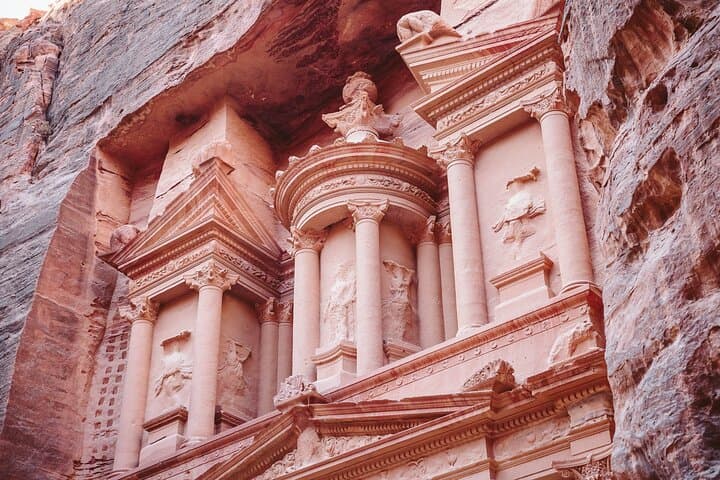
On day one the itinerary moves through a narrow slit of rock — the Siq — until the Treasury opens in rose-red stone, catching light and holding centuries of Nabataean craft. Petra’s carved facades, royal tombs and rock-cut temples reveal a culture that controlled trade routes and transformed sandstone into civic theatre. Geologically, the site is sculpted by wind and water acting on sandstone and conglomerates, producing the variegated bands and fluted cliffs that make views so immediately cinematic.
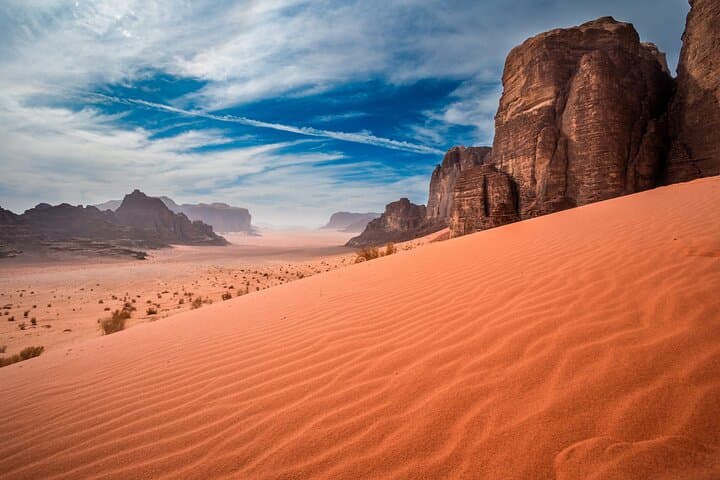
Day two takes you into Wadi Rum’s open desert, where bold granite and sandstone outcrops rise from rippled red dunes. The desert’s scale reorients pace: jeep tracks cut across plains, narrow canyons invite short walks, and wind carves arches and tafoni that dare you to keep exploring. Local Bedouin culture still shapes the experience—tea, simple camp meals, and stories about Lawrence of Arabia thread the modern visit to the landscape.
Practical edge: the trip requires a valid passport and likely a Jordanian entry stamp on arrival, moderate fitness for walking on uneven stone, sun protection and layered clothing for big temperature swings. Expect private transport, two breakfasts, bottled water and a guided schedule that compresses long drives into two active days. For travelers wanting maximum time in Petra, consider adding an extra night in Wadi Musa to spread out the walking and deepen the visit.
moderate.
2 days.
Suitable for travelers with moderate fitness who can walk several kilometers over uneven terrain and handle short hikes on desert sand.
Visa rules vary by nationality; many travelers can obtain a visa on arrival at Aqaba but check current entry requirements before travel.
Expect 3–5 hours of walking with uneven paths, stairs and some gentle climbs to key viewpoints; a horse is sometimes available for part of the Siq but not recommended for the entire site.
Yes — most visitors explore Wadi Rum via guided 4x4 tours that include short walks; the terrain is sandy and rocky, so the vehicle handles the longer distances.
This tour includes two breakfasts, bottled water, private transport and one night’s accommodation in or near Petra; confirm any dinner arrangements with the operator.
Petra was the Nabataean capital from the 4th century BCE, a hub of incense and spice trade; Wadi Rum’s landscapes were made famous in 20th-century accounts by T.E. Lawrence and later film portrayals.
Both sites face wear from visitor traffic and erosion; stay on marked paths, avoid touching rock-cut facades, and follow local guidelines to reduce impact.
Your Egypt Tours operates guided outdoor trips and adventures with an emphasis on safety, stewardship, and memorable experiences.
A pre-dawn pickup in Dahab sets the tone: the van hums toward Taba, and the Gulf of Aqaba slides past in a strip of blue while the ferry carries travelers across an international seam.
A pre-dawn pickup in Dahab sets the tone: the van hums toward Taba, and the Gulf of Aqaba slides past in a strip of blue while the ferry carries travelers across an international seam.
On day one the itinerary moves through a narrow slit of rock — the Siq — until the Treasury opens in rose-red stone, catching light and holding centuries of Nabataean craft. Petra’s carved facades, royal tombs and rock-cut temples reveal a culture that controlled trade routes and transformed sandstone into civic theatre. Geologically, the site is sculpted by wind and water acting on sandstone and conglomerates, producing the variegated bands and fluted cliffs that make views so immediately cinematic.
Day two takes you into Wadi Rum’s open desert, where bold granite and sandstone outcrops rise from rippled red dunes. The desert’s scale reorients pace: jeep tracks cut across plains, narrow canyons invite short walks, and wind carves arches and tafoni that dare you to keep exploring. Local Bedouin culture still shapes the experience—tea, simple camp meals, and stories about Lawrence of Arabia thread the modern visit to the landscape.
Practical edge: the trip requires a valid passport and likely a Jordanian entry stamp on arrival, moderate fitness for walking on uneven stone, sun protection and layered clothing for big temperature swings. Expect private transport, two breakfasts, bottled water and a guided schedule that compresses long drives into two active days. For travelers wanting maximum time in Petra, consider adding an extra night in Wadi Musa to spread out the walking and deepen the visit.