THE ADVENTURE COLLECTIVE® · Independent discovery and booking for outdoor travel

A compact two-day private circuit from Athens linking Delphi's oracle, the narrow pass of Thermopylae and Meteora's soaring monasteries. Expect scenic drives, steep steps, and concentrated history framed by dramatic geology.
A compact two-day private circuit from Athens linking Delphi's oracle, the narrow pass of Thermopylae and Meteora's soaring monasteries. Expect scenic drives, steep steps, and concentrated history framed by dramatic geology.
You climb out of Athens before dawn, the city lights shrinking behind you as the road unspools toward Parnassos. Pine-scented air and limestone slopes frame the approach to Delphi, where terraces, a Doric temple platform, and a theatre sit as if poised to speak. The driver—an interpreter of roads and local lore—sets the rhythm: timing for light in the ruins, a pause in Arachova for a quick coffee, and the slow pull of history that defines the route.
Verified experiences and guided adventures in the surrounding area.
Operated by Tours of Athens · Delphi, Phocis
You climb out of Athens before dawn, the city lights shrinking behind you as the road unspools toward Parnassos. Pine-scented air and limestone slopes frame the approach to Delphi, where terraces, a Doric temple platform, and a theatre sit as if poised to speak. The driver—an interpreter of roads and local lore—sets the rhythm: timing for light in the ruins, a pause in Arachova for a quick coffee, and the slow pull of history that defines the route.
Delphi, perched around 600–700 m on Mount Parnassos, was the religious and cultural heart of ancient Greece; its sanctuary of Apollo, the Castalian spring and the Tholos at Athena Pronaia reveal a landscape shaped by geology and belief. Days two shifts north to Meteora, where wind-eroded conglomerate pillars rise to 300–400 m and medieval monasteries cling to sheer faces—built by ascetics seeking isolation and now home to art, Orthodox ritual and panoramic ledges.
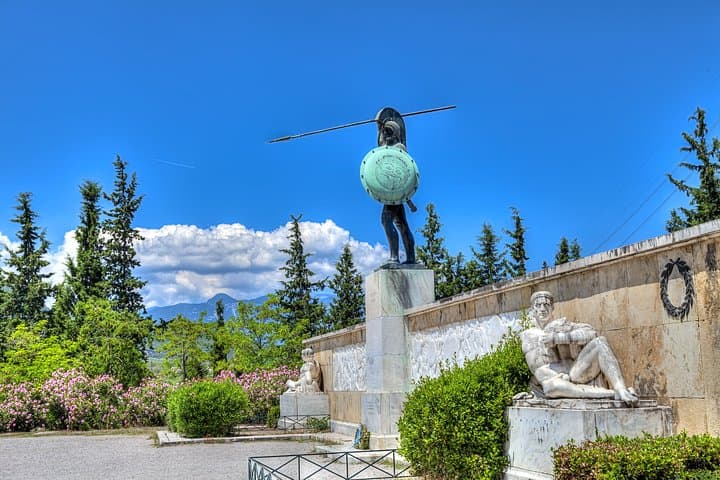
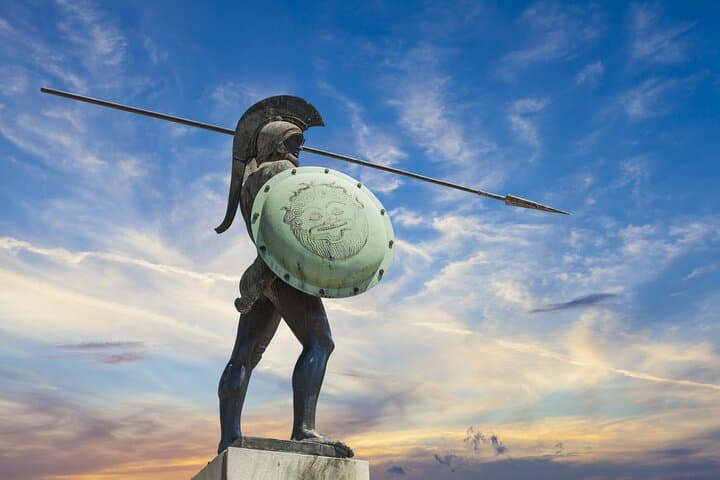
Thermopylae punctuates the return: a low coastal pass with hot sulfur springs and a military history that altered empires, its narrow geography explaining why battles unfolded here.
Practical edge: expect long drives (Athens–Delphi ~2.5–3 hrs; Delphi–Meteora ~3.5–4 hrs), uneven stone paths, and steps at monastery sites—modest clothing is required inside monasteries. Bring layered clothing for mountain mornings, refillable water, sturdy footwear and time for quick site-led visits rather than long museum deep-dives. Start early to avoid crowds and leave space in your schedule for light rain; roads remain the best way to connect these dispersed, unforgettable places.
moderate.
2 days (approximately 48 hours, guided itinerary).
Light-to-moderate fitness—able to walk on uneven surfaces and climb multiple flights of stone steps over two days.
Expect about 2.5–3 hours from Athens to Delphi, roughly 3.5–4 hours from Delphi to Meteora, with shorter stops at Thermopylae en route back.
Most monastery admissions are paid locally and not always included—bring cash and check opening days as some close for religious observances.
Transport is wheelchair accessible, but archaeological sites and monasteries have uneven surfaces and many steps that can be difficult for those with mobility impairments.
This is a private tour—schedules and short stops can typically be adjusted with the driver-guide, though museum time may be limited by opening hours.
Delphi served as the pan-Hellenic sanctuary of Apollo from at least the 8th century BCE, while Meteora’s monastic communities date to the 11th–14th centuries when hermits and monks sought refuge in the rock pillars.
Both UNESCO sites face pressures from tourism—stick to marked paths, avoid bringing food into sensitive ruins, and support local initiatives that fund restoration and controlled visitor access.
Tours of Athens operates guided outdoor trips and adventures with an emphasis on safety, stewardship, and memorable experiences.

You climb out of Athens before dawn, the city lights shrinking behind you as the road unspools toward Parnassos. Pine-scented air and limestone slopes frame the approach to Delphi, where terraces, a Doric temple platform, and a theatre sit as if poised to speak. The driver—an interpreter of roads and local lore—sets the rhythm: timing for light in the ruins, a pause in Arachova for a quick coffee, and the slow pull of history that defines the route.
You climb out of Athens before dawn, the city lights shrinking behind you as the road unspools toward Parnassos. Pine-scented air and limestone slopes frame the approach to Delphi, where terraces, a Doric temple platform, and a theatre sit as if poised to speak. The driver—an interpreter of roads and local lore—sets the rhythm: timing for light in the ruins, a pause in Arachova for a quick coffee, and the slow pull of history that defines the route.
Delphi, perched around 600–700 m on Mount Parnassos, was the religious and cultural heart of ancient Greece; its sanctuary of Apollo, the Castalian spring and the Tholos at Athena Pronaia reveal a landscape shaped by geology and belief. Days two shifts north to Meteora, where wind-eroded conglomerate pillars rise to 300–400 m and medieval monasteries cling to sheer faces—built by ascetics seeking isolation and now home to art, Orthodox ritual and panoramic ledges.
Thermopylae punctuates the return: a low coastal pass with hot sulfur springs and a military history that altered empires, its narrow geography explaining why battles unfolded here.
Practical edge: expect long drives (Athens–Delphi ~2.5–3 hrs; Delphi–Meteora ~3.5–4 hrs), uneven stone paths, and steps at monastery sites—modest clothing is required inside monasteries. Bring layered clothing for mountain mornings, refillable water, sturdy footwear and time for quick site-led visits rather than long museum deep-dives. Start early to avoid crowds and leave space in your schedule for light rain; roads remain the best way to connect these dispersed, unforgettable places.